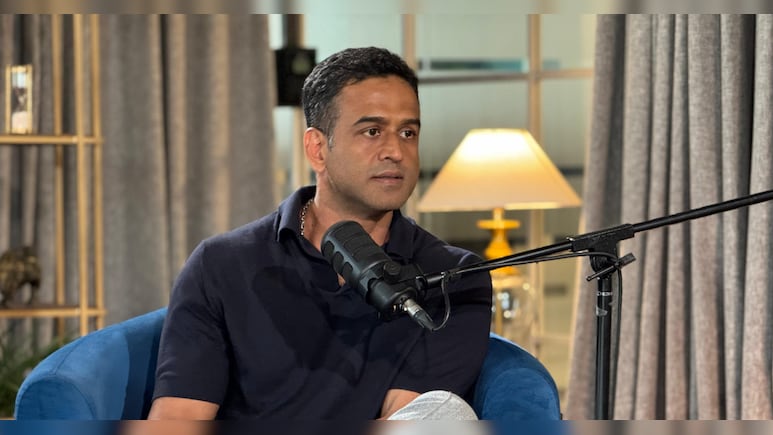
Zerodha Founder and CEO Nithin Kamath has said that the Delhi High Court's recent ruling in the Hindware vs Google trademark case could have wide-ranging implications for businesses and startups navigating digital advertising ecosystems.
In a post on X, Kamath highlighted that the court's May 22, 2026 judgment held Google liable for trademark infringement in a case involving Hindware. The court ruled that allowing competitors to bid on trademarked keywords in Google Ads can mislead users and divert traffic that rightfully belongs to the brand owner.
The Delhi High Court observed that “Hindware” is not a generic term but a protected trademark. By permitting rival advertisers to purchase the keyword for ad placement, Google was effectively enabling competitors to intercept user intent and redirect traffic meant for Hindware.
In a landmark judgment on May 22, 2026, the Delhi High Court held Google liable for trademark infringement.
— Nithin Kamath (@Nithin0dha) May 29, 2026
The case was between Hindware and Google. The court held that, by allowing competitors of Hindware to purchase the keyword “Hindware” (a trademarked name) through Google…
Kamath noted that keyword bidding on brand names has been a persistent challenge for businesses, including his own company. He pointed out that even searches for “Zerodha” often display competitor ads at the top of search results, leading to potential loss of customer traffic.
He said that because Zerodha does not engage in advertising, it is particularly vulnerable to competitors capturing search intent through paid placements.
ALSO READ: Hindware's Win Against Google In Delhi HC Could Reshape India's Digital Advertising Playbook
According to him, this results in a situation where businesses effectively lose organic traffic to competitors who are able to bid on their brand names and appear above them in search results.
Kamath also highlighted what he described as an “ironic” outcome of the current system, companies often end up bidding on their own trademarked keywords to prevent competitors from capturing that traffic.
This, he said, effectively forces businesses to pay platforms like Google to defend their own brand identity in search results, adding an additional cost burden even on established companies.
One of the key takeaways from the judgment, according to Kamath, is that it could help level the playing field for startups and smaller companies. He said early-stage businesses already face significant resource constraints, and losing potential customers to keyword bidding strategies only increases competitive pressure.
The ruling, he added, could open up legal recourse for companies that believe their trademarked keywords are being misused by competitors in search advertising.
Kamath also extended the concern beyond web search, pointing to similar dynamics in app stores where competitor apps often appear prominently in search results or advertisements linked to brand names.
He noted that app install ads are even more impactful, as they directly lead to downloads, making keyword-based competition more aggressive in mobile ecosystems compared to web search.
Essential Business Intelligence, Continuous LIVE TV, Sharp Market Insights, Practical Personal Finance Advice and Latest Stories — On NDTV Profit.