Sweden's Volvo Group plans to double its revenues from India over the next three-four years, with more launches of trucks and buses, including those that run on hybrid technology.
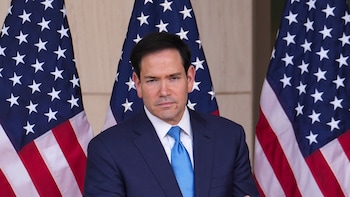
“Over the next three-four years, we will certainly double our revenues, and that is a very clear-cut target,” Kamal Bali, managing director of the company's India arm, told BloombergQuint on Wednesday, on the sidelines of Business Climate Survey Report 2016-17 launch in New Delhi.
Volvo competes with Mercedes and Scania in the luxury bus category in the country, with local players such as Ashok Leyland Ltd. and Tata Motors Ltd. trying to find a toehold in the space.
This is one area (bus sales) which is bound to grow in India. The public transport in India is at a very low penetration level, so there is enough room for every player.Kamal Bali, MD, Volvo India
In India, Volvo has its own truck and bus division, a construction equipment arm, and a joint venture with Eicher Motors Ltd., Volvo Eicher Commercial Vehicles, which sells Eicher-branded trucks and buses. The group has invested Rs 1,000 crore in India so far, Bali said.
The automaker plans to introduce more hybrid models going ahead, including expanding its presence across more cities in the country. “Hybrid is the first step towards electro-mobility,” Bali said.
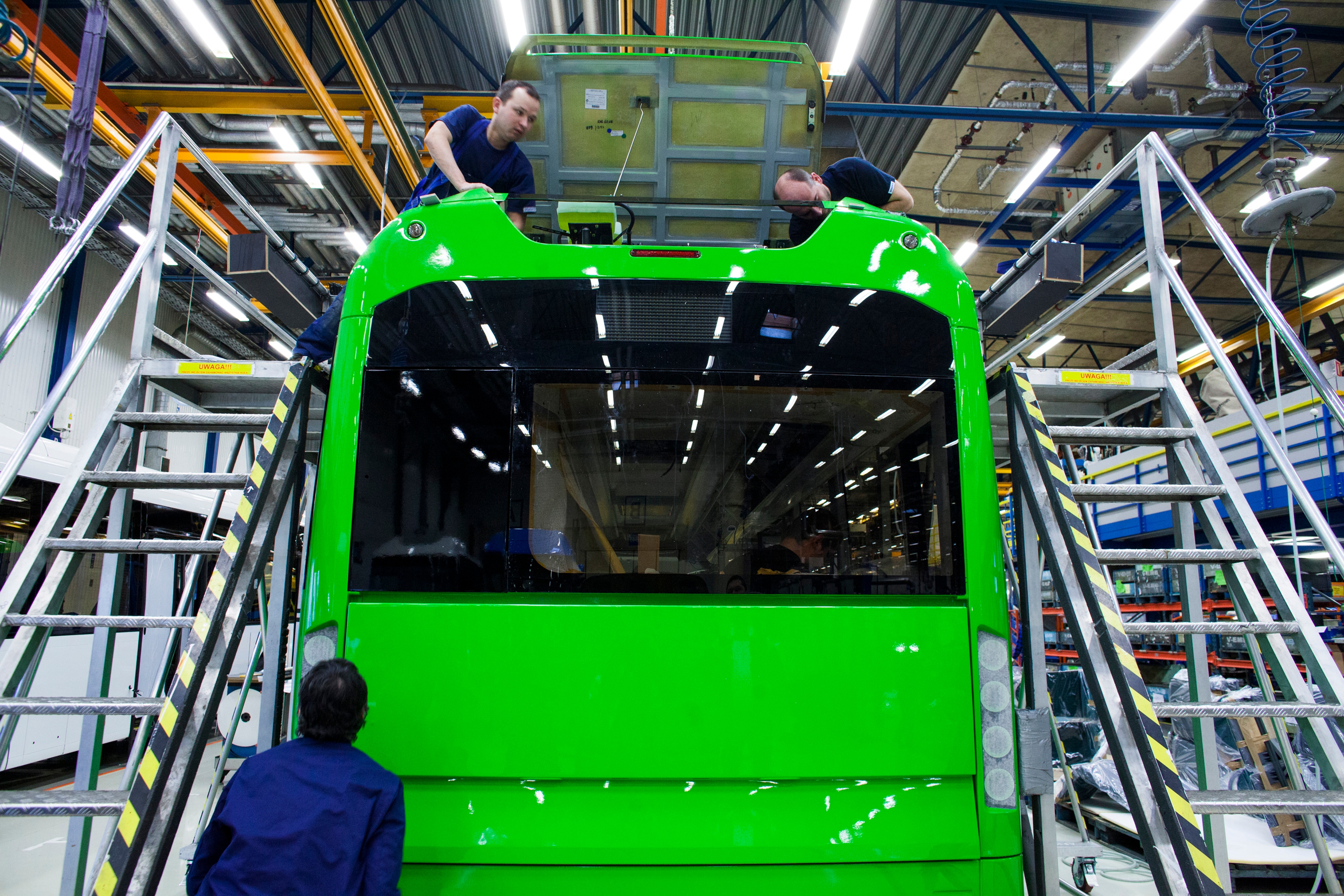
The company, he said, has added capacity at its manufacturing plant in Karnataka, and has had four rounds of investments over the past three years.
On the lull in the commercial vehicle sales in India, particularly the medium and heavy commercial vehicles, Bali said the long-term prospects remained positive, and that sales were likely to return with an improvement in infrastructure.
Volvo expects a shift towards trucks with more tonnage as the market in India matures. “There are going to be more paradigm shifts in terms of how we look at it (truck sales). First of all, there will be a shift from lower tonnage vehicles to higher tonnage vehicles,” he said.
Bali is also optimistic about the soon-to-be-rolled-out Goods and Services Tax (GST) regime easing truck movements in the country.
Apart from buses, Volvo has a limited presence in the country. Its passenger vehicle division, which debuted before peers such as BMW, still is a distant bystander in terms of sales.
Mercedes sold over 13,000 units in India in 2016, while BMW and Audi sold close to 8,000 units each, with the former having sold a shade more, according to analysts. Volvo India sold only around 1,500 units in the country in the same period.
Essential Business Intelligence, Continuous LIVE TV, Sharp Market Insights, Practical Personal Finance Advice and Latest Stories — On NDTV Profit.