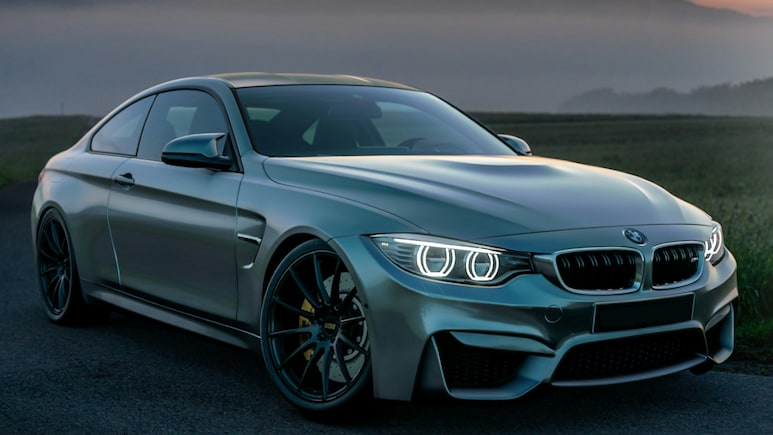
In order to expedite the development of its next-generation Neue Klasse architecture, BMW is stopping production of its older domestic EV portfolio in China, marking a significant turning point. The carmaker is fully relying on its new platform to end a multi-year decline amid a harsh 30.2% drop in Chinese sales in Q2 2026.
Last month, BMW, under new CEO Milan Nedeljkovic, issued its third earnings warning in less than three years, which it partially attributed to China. It reported on Friday that sales in China fell 30% during the second quarter, according to a report by Reuters.
In a market where Chinese competitors are creating increasingly complex electric vehicles in as little as 18 months — roughly twice as quickly as traditional automakers — some shareholders and experts claim BMW has taken too long to introduce its long-trailed Neue Klasse, or "new class," EVs.
Also Read | Layoffs Are Rising In Tech, But These Skills Are Helping People Unlock Better Pay
ALSO READ: EV Sales Surge: India Clocks 3.06 Lakh Retail Units in June
"This could have been a game-changer if it had launched two years ago," stated Yale Zhang, managing director of Automotive Foresight, a research group located in Shanghai, according to Reuters. "In today's Chinese auto market ... it is hard to stand out."
Chinese consumers are becoming more demanding of domestic automakers like Nio, which has driven its flagship ET9 sedan over speed bumps with a tower of champagne glasses balanced on the bonnet—without spilling a drop—to highlight the vehicle's sophisticated suspension system.
The iX3 SUV, BMW's first Neue Klasse vehicle for China, is scheduled to go on sale in November. Since the start of the Iran conflict, shares of Munich-based BMW have lagged both the industry as a whole and German premium competitors.
BMW's predicament is a reflection of the larger struggle German luxury automakers face in China, where many consumers place less value on the engineering background and combustion engine legacy that help sell high-margin vehicles in Europe and the United States.
"Chinese consumers no longer buy into that," stated Gasgoo Research Institute vice president Wang Xianbin.
Rather, they prefer regional companies like Nio, Zeekr, Xiaomi, and Geely's, which offer smart EV features catered to Chinese preferences. Customers of BMW, Audi, Porsche, and Mercedes are openly targeted by Chinese luxury companies.
ALSO READ: Big July Discount On EVs: Tata Motors Offers Relief Of Up To Rs 3 Lakh — Check Model Details
According to Global Mobility data, just over 5% of BMW's sales in China are entirely electric, despite the fact that EVs make up 46% of all vehicle sales in the country.
In 2024 and 2025, BMW's sales in China decreased. In the first half of this year, sales at Mercedes and Volkswagen's Audi brand decreased by 28% and 19%, respectively.
Essential Business Intelligence, Sharp Market Insights, Practical Personal Finance Advice, Daily Fuel, Gold and Silver Prices and Latest Stories — On NDTV Profit.