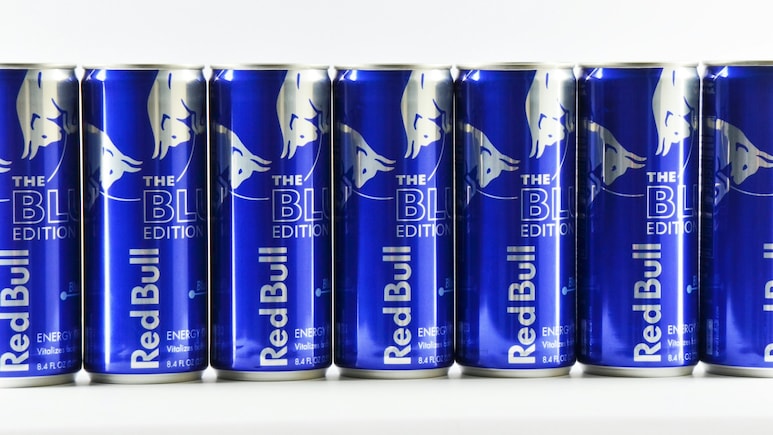
Red Bull has won a legal reprieve in India after the Delhi High Court quashed a food regulator's order that barred the company from describing its product as an “energy drink”.
Reuters reported that the court set aside the Food Safety and Standards Authority of India's (FSSAI) June order, holding that Red Bull was not given an opportunity to present its views before the decision was taken.
According to the report, the ruling comes as a relief not only for Red Bull but also for other major players in India's energy drink market, including PepsiCo, Monster Beverage and Reliance. The companies had privately raised concerns that removing the energy drink category could hurt their brands, though they did not challenge the order in court.
Also Read | Layoffs Are Rising In Tech, But These Skills Are Helping People Unlock Better Pay
ALSO READ: Red Bull Takes FSSAI To Court Over Ban On 'Energy Drink' Descriptor
Reuters citing a government official said that FSSAI is now expected to appeal against the Delhi High Court ruling on public health grounds.
In June, FSSAI directed manufacturers of high-caffeine beverages marketed as energy drinks to stop using the descriptor. The move came despite industry efforts to delay its implementation.
According to the Reuters report, Red Bull's India unit challenged the decision, arguing that the prohibition created substantial regulatory uncertainty and could adversely affect its existing and planned investments. Red Bull filed the legal challenge on September 25, making it the first company to formally contest the June decision.
The company also contended that the label ban amounted to an abrupt prohibition even though there had been no corresponding change in the underlying product standard, according to its court filing cited by Reuters.
India's energy drink market has expanded rapidly in recent years. PepsiCo's Sting, launched in India in 2017, helped drive growth, with its low price point making it particularly popular among younger consumers and in rural markets, Reuters reported, citing Euromonitor. The market is projected to reach $1.6 billion by 2028.
Energy drinks have also faced growing scrutiny globally because of their caffeine, sugar and taurine content and potential health concerns. England, for instance, plans to ban the sale of energy drinks to children under 16 from April next year, Reuters reported.
ALSO READ: FSSAI Issues Notice To PepsiCo, Red Bull, Four Other Firms Over Misleading Claims On Energy Drinks
Reuters reported that the Delhi High Court ruling, however, addresses the regulatory process followed by FSSAI, rather than settling the wider debate over the health impact or marketing of energy drinks.
Essential Business Intelligence, Sharp Market Insights, Practical Personal Finance Advice, Daily Fuel, Gold and Silver Prices and Latest Stories — On NDTV Profit.