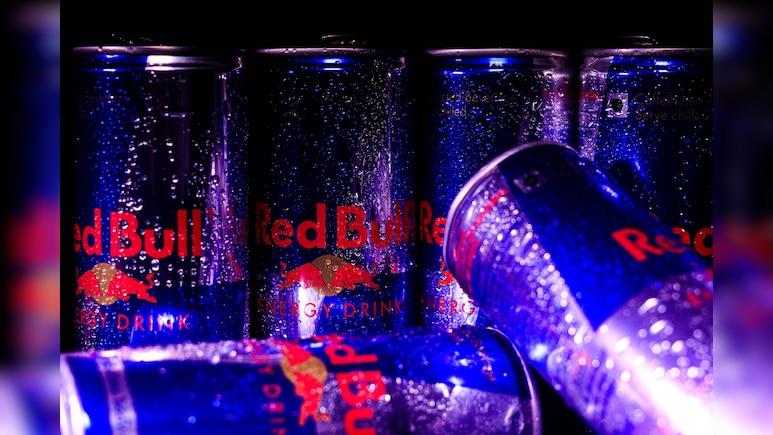
- Red Bull challenged India’s ban on the term energy drink in Delhi High Court
- The company claims no warning was given before the June regulatory restriction
- Red Bull says the ban affects its business plans and investment in India
Austrian beverage company Red Bull has approached the Delhi High Court against India's food regulator, challenging its decision to prohibit the use of the term "energy drink" on certain high-caffeine beverages.
According to court documents seen and reported by Reuters, Red Bull has argued that the regulator did not issue a warning notice before restricting the use of the descriptor. The company said the move has created regulatory uncertainty and could affect its existing and planned investments in India.
Red Bull filed the legal challenge on September 25, making it the first company to formally contest the June decision.
Also Read | Layoffs Are Rising In Tech, But These Skills Are Helping People Unlock Better Pay
ALSO READ: Former FSSAI Director Pradip Chakraborty Says Analogue Paneer Name 'Should Be Removed'
Red Bull Says Move Affects Business
Red Bull's Indian unit has described the restriction as an "abrupt prohibition", arguing that there has been no corresponding change to the underlying product standard.
The company said the decision could adversely affect its commercial plans and argued that the regulatory action runs counter to India's stated objective of encouraging international trade, investment and greater certainty for businesses.
Red Bull has also claimed that the restriction has effectively brought its business to a standstill.
A government source, however, told Reuters that the Food Safety and Standards Authority of India (FSSAI) will defend its decision in court.
India's Energy Drink Market Growing
The row comes as the energy drink market in India continues to grow. Retail sales of energy drinks in India are growing at a rate of 12.6% annually, faster than the pace recorded in the US and China, according to Euromonitor.
The launch of Pepsi's Sting in India in 2017 gave a massive fillip to the market. Euromonitor said the ₹20 plastic bottles were particularly popular with consumers aged 15-19.
Revenue at Red Bull India touched $130 million in 2024, more than doubling the level four years earlier.
India's energy drinks market is projected to hit $1.6 billion by 2028.
Pepsi, Monster Also Affected
Red Bull is among several major companies that have raised concerns over India's intensified food-safety enforcement drive.
Pepsi, Monster Beverage and Reliance have also opposed the restriction on the "energy drink" category, amid concerns that removing the descriptor could affect brands that have been built around claims associated with providing instant energy.
India's decision in June required manufacturers of high-caffeine beverages marketed as "energy drinks" to stop using the description. Companies had earlier sought to delay the regulatory intervention, but those efforts were rejected.
Health Concerns Over Energy Drinks
Energy drinks have faced increasing scrutiny from regulators in several countries because of their caffeine and sugar content, as well as the presence of ingredients such as taurine.
ALSO READ: 'Can't Comment On Authenticity': Nestle India Responds After Insects Reportedly Found In Maggi
England is set to ban the sale of high-caffeine energy drinks to those under 16 from April next year.
Essential Business Intelligence, Sharp Market Insights, Practical Personal Finance Advice, Daily Fuel, Gold and Silver Prices and Latest Stories — On NDTV Profit.