Shoppers in the United States who purchased goods from overseas vendors last year may be in line for a surprise refund, as shippers begin passing back tariff refunds received from the government.
Shippers, including FedEx and UPS, which acted as customs brokers for imported packages, have started returning tariff refunds to the customers who originally paid them, according to a report by the Associated Press.
This marks the final step in a process that began in February, when the US Supreme Court struck down sweeping tariffs imposed by US President Donald Trump in March 2025 under the 1977 International Emergency Economic Powers Act on goods from nearly every country. The court ordered the government to return the tariffs it had collected.
Also Read | Layoffs Are Rising In Tech, But These Skills Are Helping People Unlock Better Pay
So far, around $100 billion in tariffs has been refunded to companies that paid them, through a system set up by US Customs and Border Protection. However, this does not mean consumers will recover close to what they paid, since most tariffs were paid indirectly.
According to the Tax Foundation, a Washington-based tax research group, the tariffs amounted to an average tax increase of $1,000 per US household in 2025.
ALSO READ: 10% Tariff: US Levies Will Raise Costs Of Indian Products, But Exporters Retain Edge, Says FIEO
Refunds Rolling Out In Phases
Shippers, such as UPS, DHL and FedEx, are returning refunds in phases based on when the tariffs were originally paid.
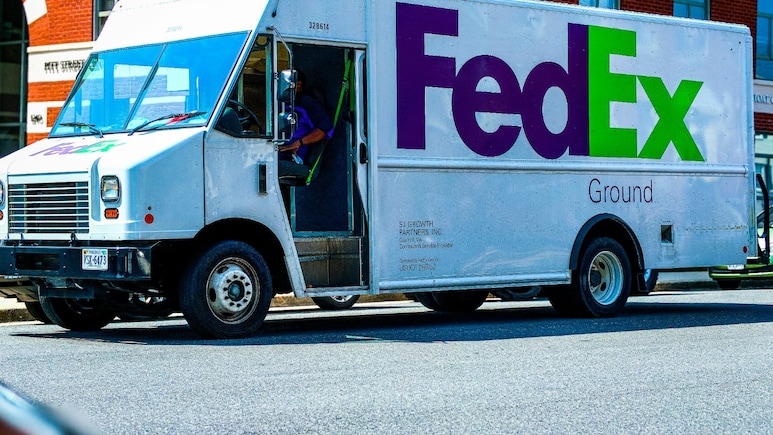
FedEx said it has begun issuing $800 million in refunds directly to customers' credit cards or bank accounts, with no application required, though customers can check eligibility using tracking numbers on a dedicated FedEx portal.
UPS had said in April that it paid $5 billion in tariffs on behalf of clients and applied for $500 million in refunds in its first phase, with customers expected to receive money one to three months after the company is reimbursed by the Treasury.
ALSO READ: 100% Tariffs On India? 'Leaders Will Work It Out', Says Trump Aide On Russian Oil Bill
DHL said it has filed claims for nearly all eligible shipments and is returning refunds as they come in, though the pace depends on US Customs and Border Protection's processing of claims.
Retailers Take A Different Approach
Unlike shippers, most major retailers absorbed tariff costs indirectly and are unlikely to issue direct refunds.
Amazon said it received $600 million in tariff refunds in the second quarter, but CFO Brian Olsavsky said the company is not the importer of record for most goods it sells and will instead use refunds to lower prices, except in limited cases where import charges are traceable to specific customers.
Best Buy and Costco have made similar statements, while more than 80 class-action lawsuits have been filed against retailers including Costco, Nike, Amazon and Walmart, seeking refunds for tariff-related price increases, according to AP.
Essential Business Intelligence, Sharp Market Insights, Practical Personal Finance Advice, Daily Fuel, Gold and Silver Prices and Latest Stories — On NDTV Profit.