- Former Nvidia CEO Jensen Huang can nominate up to two directors or 20% of the board
- Proxy Access Bylaw requires owning at least 3% stock for three consecutive years to nominate
- Huang owns about 3.5%-3.6% of Nvidia shares, enabling potential future influence
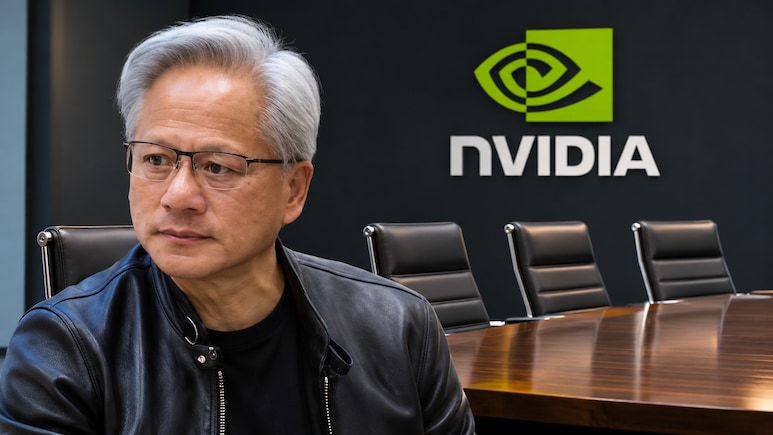
Former Nvidia CEO Jensen Huang has the power to nominate up to two directors or up to 20% of the number of directors in office, according to the chipmaker's proxy and corporate filings, opening up avenues for the co-founder to exercise some influence on the company in the future.
The Proxy Access Bylaw allows a stockholder to nominate up to 2 director candidates or 20% of the number of directors in office if they own at least 3% of the Nvidia's outstanding capital stock for at least three consecutive years.
"A stockholder (or a group of up to 20 stockholders) who has owned at least 3% of the voting power of our outstanding capital stock for at least three continuous years and has complied with the other requirements in our Bylaws may nominate and include in our proxy materials director nominees constituting up to the greater of (a) up to two director candidates or (b) up to 20% of the number of directors in office on the last day that a submission may be delivered," the filing outlined.
Also Read | Layoffs Are Rising In Tech, But These Skills Are Helping People Unlock Better Pay
The provision could prove useful for Huang, who has found himself under immense scrutiny after the news of his extra-marital affairs became public, following which he had to step down as a board member and CEO.
The co-founder may get some indirect leeway as he still owns approximately 3.5%-3.6% of the semiconductor giant's stake. Huang and the entities tied to him have held around 870.6 million Nvidia shares, as per the company's 2026 proxy statement.
Why Huang Could Not Protect His CEO Position
Despite owning over 3% of the company and being the largest individual shareholder Huang could not safeguard his CEO role because of Nvidia's one-share-one vote system.
The policy translates into the number of votes a shareholder has directly corresponding with the number of shares they own. Therefore, just like other founders Huang's stake doesn't come with special privileges.
In a January podcast interview, the co-founder himself had revealed that the bylaws are written in such a way that company's CEO can be removed by the board for any reason and at any time.
"In a well-governed company, the CEO was always designed to report to the board of directors and the board of directors report to shareholders," Huang stated, adding that, If the CEO doesn't do his job according to however big the board is, that CEO is let go.
ALSO READ: Jensen Huang's Exit: The Questions Nvidia's Board Refused To Answer
Essential Business Intelligence, Sharp Market Insights, Practical Personal Finance Advice, Daily Fuel, Gold and Silver Prices and Latest Stories — On NDTV Profit.