- India views its EU free trade deal as a means to raise incomes, not boost imports
- The pact aims to expand manufacturing and services jobs, leading to higher earnings
- Consumption growth is expected to follow income gains, not drive the agreement
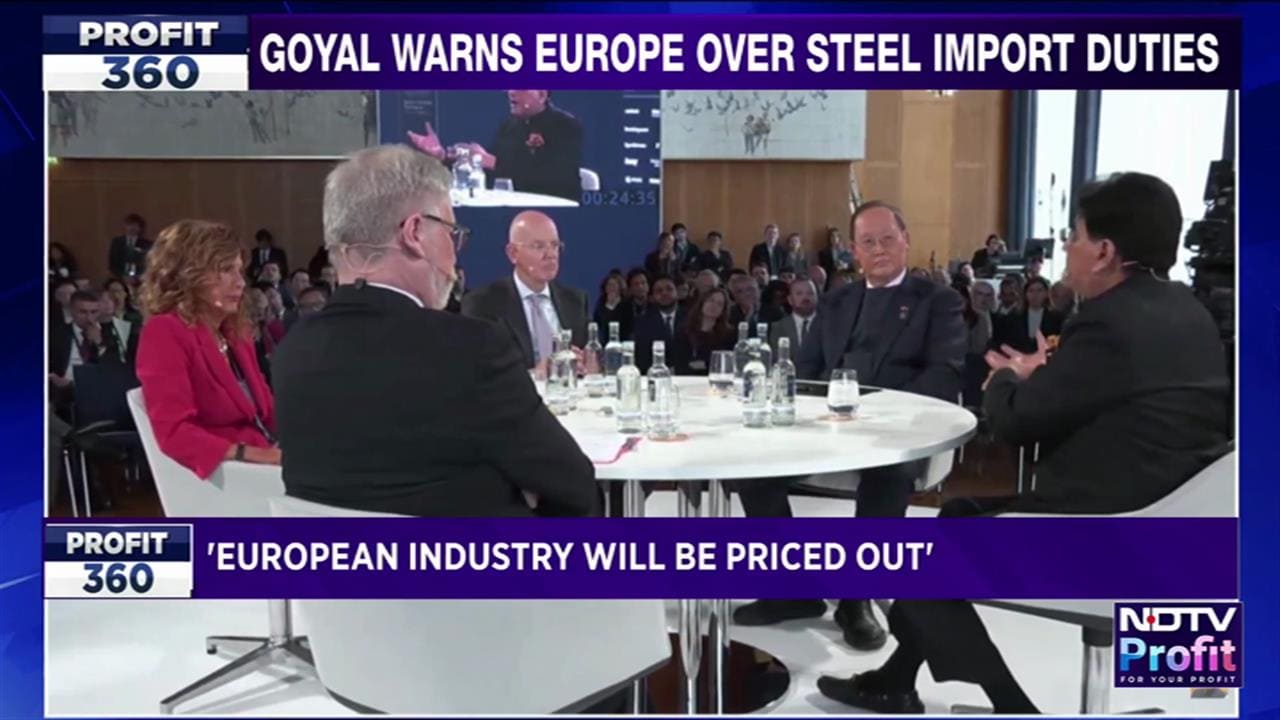
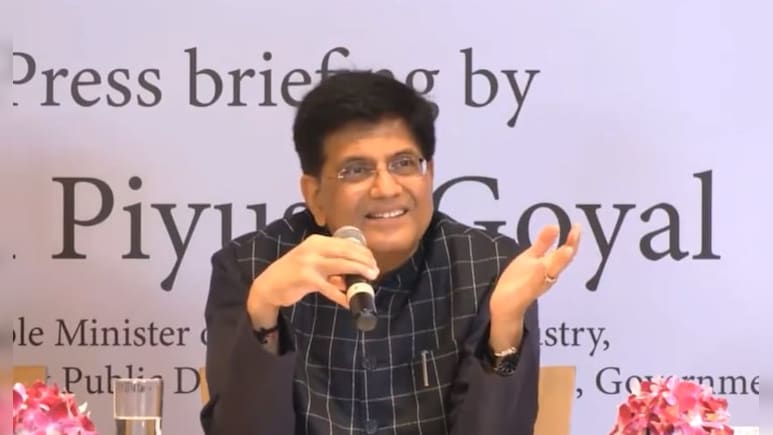
India is positioning its free trade agreement with the European Union as a tool to raise incomes and expand economic opportunity, rather than a means to drive import-led consumption, Commerce and Industry Minister Piyush Goyal said.
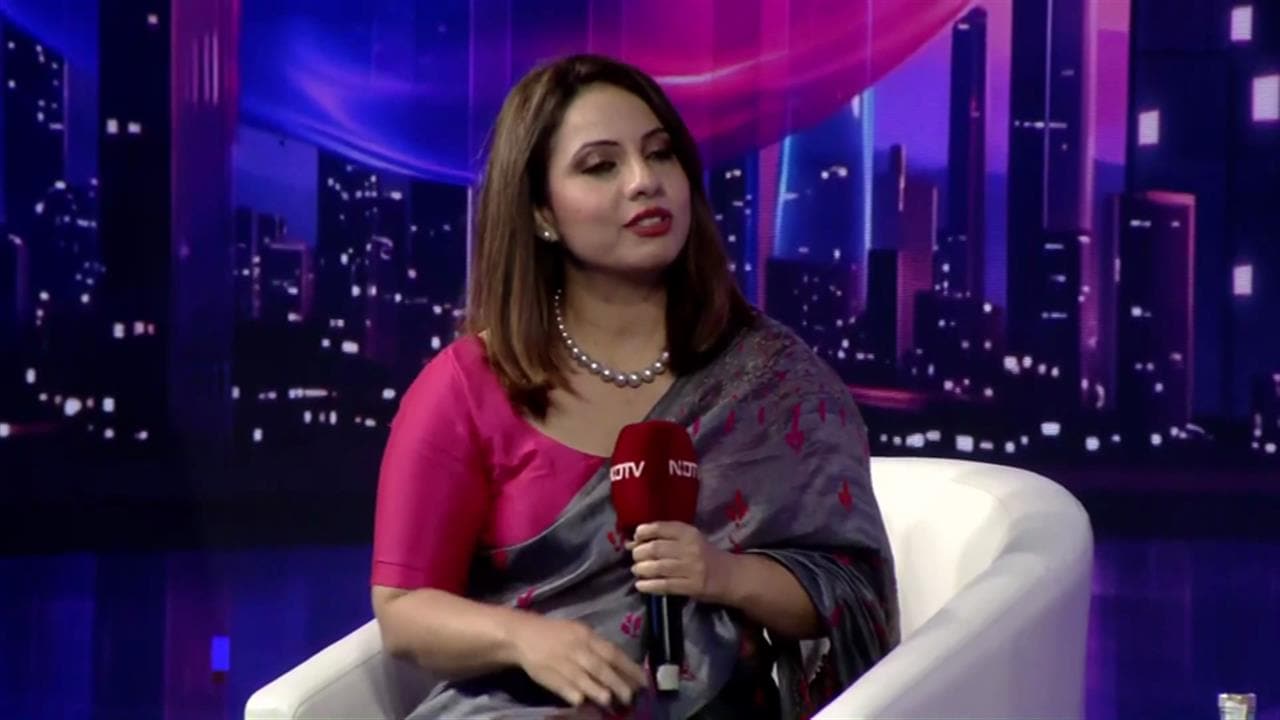
Speaking in an interview with NDTV, Goyal said the agreement should be seen as creating pathways for higher earnings across manufacturing and services, with consumption effects expected to follow over time. The government's focus, he said, is on enabling income growth first.
“I would look at it the other way,” Goyal said when asked whether the agreement would make imported premium goods more accessible. The pact, he said, is designed to help people increase their incomes and become more aspirational, rather than to prioritise cheaper imports.
Also Read | Layoffs Are Rising In Tech, But These Skills Are Helping People Unlock Better Pay
The comments provide insight into how New Delhi intends to frame the economic impact of the trade agreement as it moves towards implementation. Public debate around the deal has centred on tariff reductions and consumer prices, but Goyal's remarks signal that policymakers are placing greater weight on employment, earnings and long-term income expansion.
Income-Led Growth
Goyal said the agreement supports opportunities for people moving into higher income brackets by expanding access to jobs and markets, both within India and abroad. As incomes rise, consumption patterns will adjust naturally, he said, rather than being driven by policy.
The minister linked the approach to India's broader economic strategy, which has focused on job creation, skills and manufacturing alongside deeper integration with global markets. Trade agreements, he said, are intended to reinforce that framework.
ALSO READ: India-EU Free Trade Deal Explained: What Changes, What Gets Cheaper, And Which Sectors Get A Boost
Policy Signal
By emphasising income growth over immediate consumption gains, Goyal indicated continuity in how India plans to use trade liberalisation as a development tool. The European Union pact, he said, fits into a wider effort to create sustainable economic expansion rather than short-term consumption impulses.
The framing suggests that any consumer benefits from the agreement are expected to emerge as a by-product of higher earnings and improved access to opportunities, rather than as a primary objective of the deal.
ALSO READ: EU-India Trade Deal: What's Next And What Could It Mean For Geopolitics?
Essential Business Intelligence, Sharp Market Insights, Practical Personal Finance Advice, Daily Fuel, Gold and Silver Prices and Latest Stories — On NDTV Profit.