- Private lenders HDFC, ICICI, and Yes Bank reported a decline in treasury income in Q4FY26
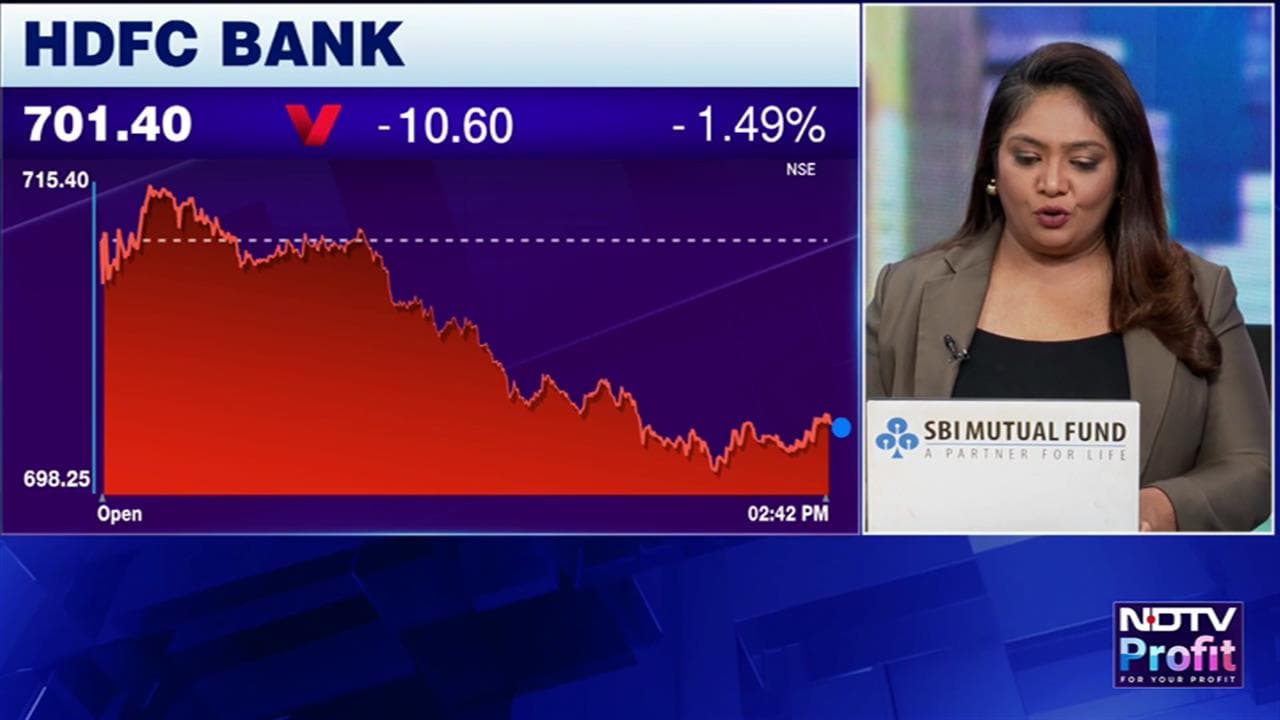
- HDFC Bank’s net trading income fell to Rs 800 crore from Rs 900 crore in the previous quarter
- ICICI Bank posted treasury income of minus Rs 106 crore in Q4, down from Rs 239 crore last year
Private lenders including HDFC Bank, ICICI Bank and Yes Bank, the first to report their earnings for the fourth quarter, have posted a dent in their treasury income due to the Reserve Bank of India's (RBI) recent forex market related measures and broader decline in equity and bond markets in January-March period.
HDFC Bank's net trading and mark-to-market (MTM) income fell to Rs 800 crore in Q4FY26 from Rs 900 crore last quarter. ICICI Bank's treasury income was minus Rs 106 crore in Q4, as against Rs 239 crore same period last fiscal, but better than minus Rs 157 crore in Q3FY26. Yes Bank's trading gains fell to Rs 83 crore in Q4 versus Rs 131 crore in Q4FY25.
Sashidhar Jagdishan, MD & CEO, HDFC Bank, says, “There has been a part impact up to March. There will be a small impact up to April 7 as well. But that's not anything too significant for us to put it up as a separate disclosure. Part of it is reflected in the slightly tepid growth in forex income for the full year.”
The RBI in March capped banks' net open position (NOP) in the onshore deliverable market at $100 million. Large banks are estimated to have $250-300 million NOP each in this market and they were forced to wind-down their positions by April 10, as directed by the RBI.
The RBI, on its part, has clarified that these measures were taken in view of heightened volatility in Indian rupee and that these could be re-looked at when market conditions stabilise. Indian banks were previously allowed to hold NOP of up to 25% of their total capital.
Also Read | Layoffs Are Rising In Tech, But These Skills Are Helping People Unlock Better Pay
Analysts say public sector banks are more active and held higher NOP in the onshore deliverable markets, and could see higher hit on their trading income because of the RBI's directive.
Also Read | HDFC Bank Vs ICICI Bank: Which Stock Should You Buy After Q4 Results? Five-Point Guide
Essential Business Intelligence, Sharp Market Insights, Practical Personal Finance Advice, Daily Fuel, Gold and Silver Prices and Latest Stories — On NDTV Profit.