- Exports, data centres, and telecom equipment will drive India's next electronics growth phase
- Dixon Technologies is expanding capacity with a 1 million sq ft facility opening soon
- India's electronics sector is $140-150 billion, about 3% of the $3 trillion global market
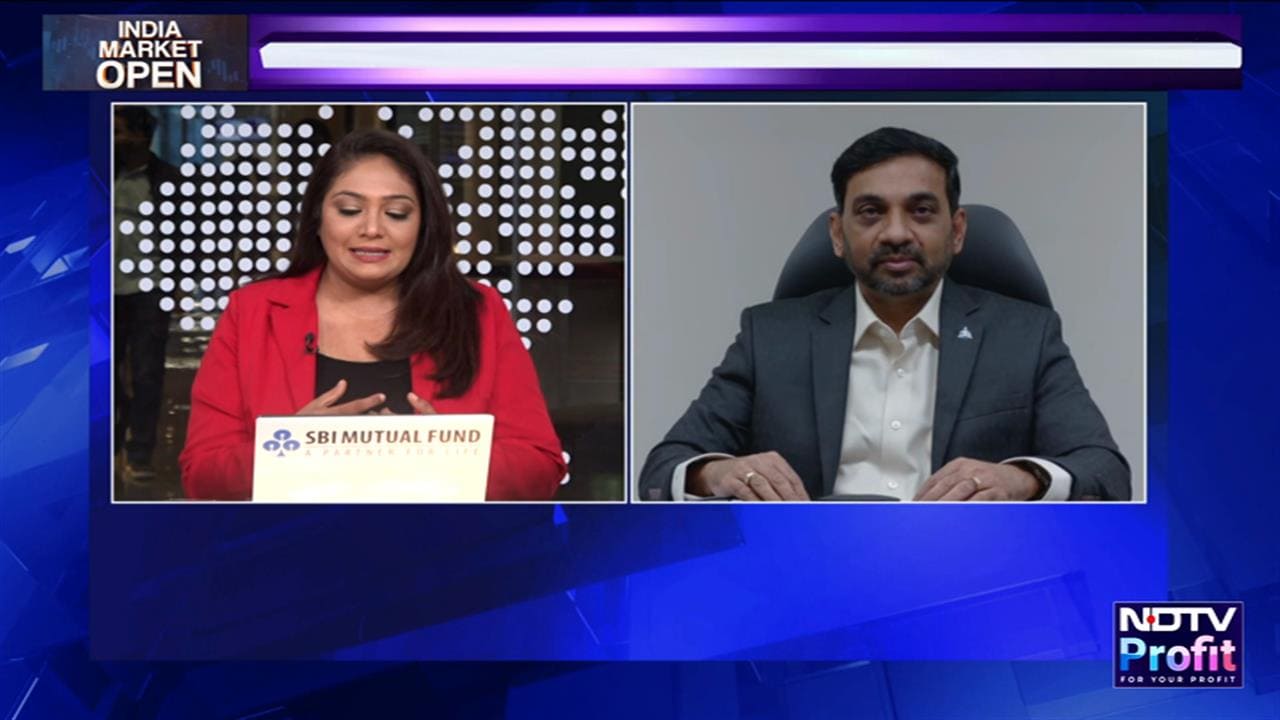
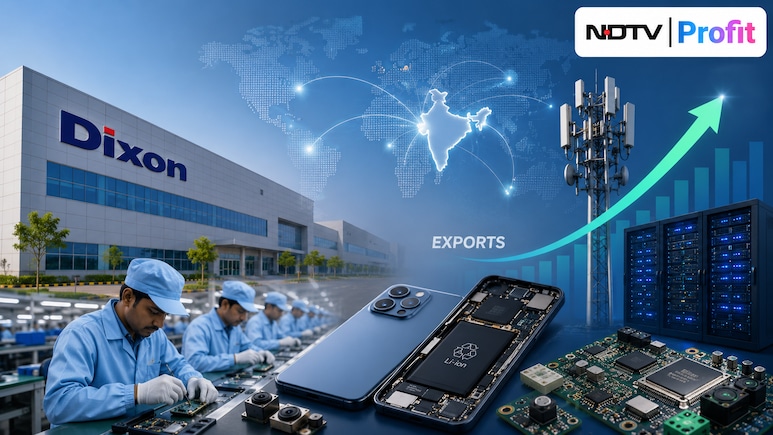
Exports, data centres and telecom equipment will drive the next phase of growth for India's electronics manufacturing industry, Dixon Technologies Chairman Sunil Vachani said, expressing confidence that current supply-chain challenges will ease in the coming quarters.
The company is expanding manufacturing capacity, strengthening its component ecosystem and positioning itself to benefit from rising global demand as India emerges as a key electronics manufacturing hub.
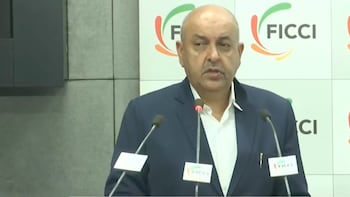
Speaking at the Citi India Conference 2026, Vachani said India's electronics manufacturing ecosystem has evolved significantly over the past two decades, but still represents only a small fraction of the global opportunity.
"There was a time when we were importing almost all the products sold in the country. Today, electronics is the third-largest industry, but this journey has just begun," Vachani said.
India currently produces electronic goods worth about $140-150 billion annually, accounting for roughly 3% of the global electronics market, which is estimated at nearly $3 trillion. According to Vachani, the next stage of growth will require large-scale manufacturing facilities and a stronger domestic supply chain.
As part of that expansion, Dixon is setting up a nearly 1 million-square ft manufacturing facility, which is expected to become operational within the next four months.
"Once that is done, we feel India is going to emerge globally competitive and the focus will then be on creating a robust supply chain," he said.
The company is also expanding its display module and camera module manufacturing capacities. Vachani noted that the government's Electronics Components Manufacturing Scheme has received investment proposals worth nearly Rs 70,000 crore, highlighting growing interest in localising the electronics value chain.
While the long-term outlook remains strong, Vachani acknowledged that the industry is facing challenges due to disruptions in the global supply chain. Shortages of memory components and rising prices have increased costs for manufacturers and pushed up prices of finished products.
"The supply of memory to the sector is affected and the prices have been going up. This has had an impact on demand, especially in the low- to mid-end segments where customers are very price-sensitive," he said.
The executive noted that some moderation in demand is visible across parts of the industry, though he expects conditions to improve as additional global manufacturing capacities come online over the next few quarters.
"We see a small de-growth in overall industry numbers. That is definitely a concern, but these numbers are going to look much more robust once the supply-chain issues get sorted," he added.
A major growth driver for both Dixon and the broader industry, according to Vachani, will be exports. India's electronics exports have already risen sharply to nearly $40 billion, and global companies are increasingly looking at India as a sourcing hub.
"The next phase of growth for the industry and for the country as far as electronics manufacturing is concerned is going to come from exports," he said.
Vachani also pointed to ongoing trade discussions between India and the United States, along with free-trade agreements signed with the UK and Europe, as potential catalysts for export growth. He highlighted telecom products as a particularly promising segment, noting that the US imports nearly $80 billion worth of telecom products annually.
Another area generating significant excitement for Dixon is IT hardware and infrastructure supporting data centres. The company has partnered with a leading Taiwanese manufacturer and expects its IT hardware facility to commence operations in the coming months.
"The requirement from data centres is going to be huge. We are very confident that we will be in a good position to cater to this demand," Vachani said, estimating the opportunity linked to data-centre demand at nearly $40 billion.
On risks, Vachani said companies expanding at a rapid pace must remain mindful of policy, external and execution-related challenges. However, he emphasised that Dixon's management remains focused on scaling operations while delivering value to shareholders.
"For any company growing phenomenally, there will always be policy risks, external risks and execution risks. The key is to remain focused and execute well," he said.
Essential Business Intelligence, Continuous LIVE TV, Sharp Market Insights, Practical Personal Finance Advice and Latest Stories — On NDTV Profit.