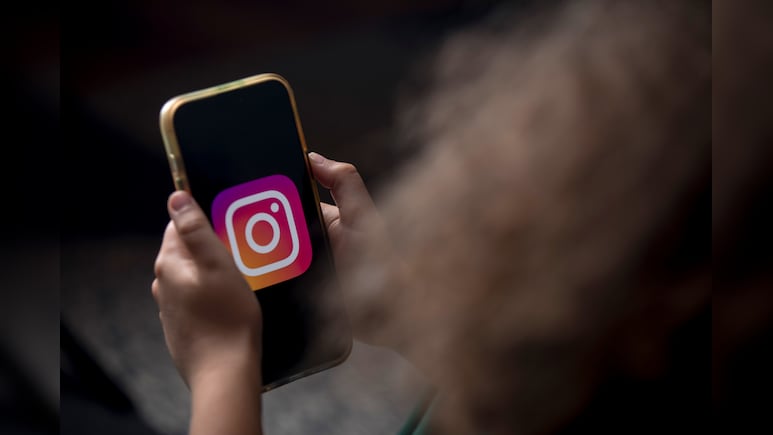
Arturo Béjar spent six years working on child safety tools at Meta Platforms Inc., but told a jury he did not fully understand the threats posed to young users on the platform until his 14-year-old daughter signed up for an Instagram account.
“She started getting requests for sex and pictures of private parts from people that she did not know,” Béjar said. “I found it shocking.”
Béjar testified about his experience during the first day of a historic trial in California, in which a coalition of state attorneys general have accused Meta of deliberately designing Facebook and Instagram to encourage compulsive use among youths and collecting data from users under 13 years old, in violation of federal law.
The stakes at the trial are high. If the company loses, it may face financial penalties ranging from $193 billion to $1.4 trillion — and court orders that could force changes in how it operates its platforms.
Also Read | Layoffs Are Rising In Tech, But These Skills Are Helping People Unlock Better Pay
Meta has denied wrongdoing, saying it has continuously improved tools to protect kids and calling the states' proposed penalties “outlandish.”
During his time working on safety research at Meta, Béjar said, executives were well aware of “significant harms” to young people on its platforms but they repeatedly failed to make changes or introduce features that would have a measurable impact.
“Young people, in particular, were experiencing harm at high rates and they weren't getting the attention, investigation, support or remediation that they needed,” Béjar testified Tuesday.
ALSO READ: Gold Rate Nears $4,500 As US Treasury Buyback Boosts Bullion; Silver Jumps Nearly Rs 5,000 On MCX
Béjar started working for Meta in 2009 as a manager overseeing safety, but he said he left in 2015 to take care of his teenage children. In 2019, after his daughter's experience on Instagram, he returned to Meta as an independent contractor working on the platform's “well-being” team.
He left for good in 2021 — the same year that Frances Haugen, a former product manager-turned-whistleblower at Facebook, revealed internal documents showing that Meta had long known that its platforms had ill effects on young people, especially girls struggling with their body image.
Béjar testified before Congress in 2023 about his concerns and has since emerged as a go-to whistleblower witness for states and personal injury attorneys suing Meta and other social media platforms on similar grounds.
He took the stand in the previous two previous trials against Meta in Los Angeles and New Mexico — both of which ended with verdicts against Meta. Béjar also testified in an ongoing trial against Meta in Tennessee, where he was on the witness stand for four days.
In the current case in federal court in Oakland, California, Meta fought to bar Béjar from testifying, arguing that he violated evidence rules by using auto-deleting messaging apps to communicate with former Meta employees about the case.
US District Judge Yvonne Gonzalez Rogers on the eve of trial denied Meta's last-minute motion and allowed him to take the stand.
Béjar resumed testifying on Wednesday.
The trial in Oakland is focused on alleged violations of state consumer protection and federal privacy laws, and is being led by attorneys general from California, Colorado, Kentucky and New Jersey.
A lawyer for the states told jurors Tuesday that besides Béjar, they would hear during the trial from half a dozen other ex-Meta employees — as well as from Meta Chief Executive Officer Mark Zuckerberg and Instagram head Adam Mosseri.
The case is People of the State of California v. Meta Platforms Inc., 23-cv-05448, US District Court, Northern District of California (Oakland).
(This story has not been edited by NDTV staff and is auto-generated from a syndicated feed.)
Essential Business Intelligence, Sharp Market Insights, Practical Personal Finance Advice, Daily Fuel, Gold and Silver Prices and Latest Stories — On NDTV Profit.