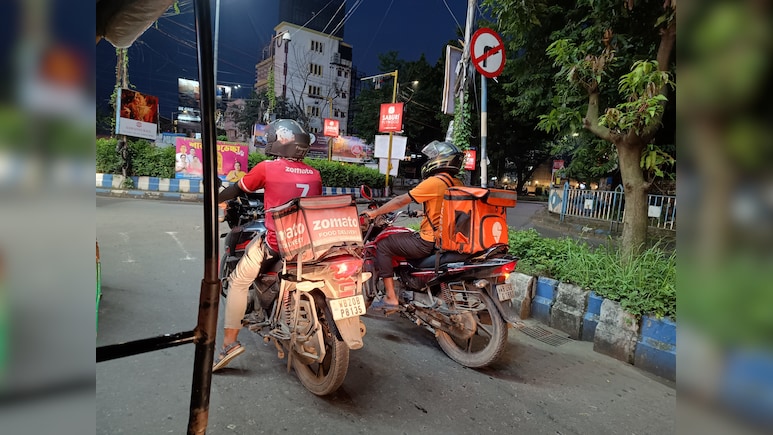
With over 70% customers stating that they would continue using quick commerce platforms even if discounts were reduced, convenience has emerged as the primary driver of retail choices in India, according to a report by Grant Thornton Bharat.
The report highlights a structural shift in consumer priorities, where speed and accessibility are increasingly outweighing price considerations in everyday purchases.
"More than 70% of respondents said they would still use q-commerce if discounts were to reduce, reflecting a structural shift from price-seeking to time-seeking behaviour.
Also Read | Layoffs Are Rising In Tech, But These Skills Are Helping People Unlock Better Pay
"Across survey responses, one consistent behavioural insight emerges: consumers are not abandoning one format for another; they are layering channels based on mission relevance," the report noted.
According to the study, quick commerce is primarily being used for mission-led purchases rather than fully displacing conventional retail formats. Around 45 per cent of consumers turn to quick commerce for last-minute or urgent orders, while 24% rely on these platforms for daily top-ups such as milk and bread.
Another 19% use rapid-delivery services for impulse buys, including snacks and beverages.
The report drew insights based on a nationwide survey of over 1,600 consumers and over 1,000 kirana retailers across metropolitan, Tier II, and Tier III markets.
This shift in shopping habits is impacting traditional neighbourhood stores. The survey found that 51% of consumers reported a reduced reliance on kirana stores over the past year.
ALSO READ: Swiggy Vs Eternal: Who Will Win The Q4 Earnings Battle?
However, 27% noted no significant change in their dependence on kiranas, and 13% indicated that they now use these local stores more frequently.
Facing margin constraints and shifting consumer expectations, traditional retailers are showing a willingness to adapt. The report found that 40% of kirana retailers expressed interest in partnering with quick commerce platforms. Another 32% said they were interested but unsure how such partnerships would work in practice, while 20% indicated they would participate if provided with operational or technology support.
"The relevance of kiranas will increasingly depend on how effectively they embrace technology, strengthen digital integrations, and tap into premiumisation trends to meet evolving consumer expectations. The next phase of retail will be driven by connected, purpose-led ecosystems where physical and digital retail work in tandem to deliver greater value, convenience, and choice," said Naveen Malpani, Partner and Consumer Industry Leader, Grant Thornton Bharat.
The study also identified Tier II and emerging urban markets as the next growth engines for the retail sector.
With Inputs From PTI
Essential Business Intelligence, Sharp Market Insights, Practical Personal Finance Advice, Daily Fuel, Gold and Silver Prices and Latest Stories — On NDTV Profit.