India's midstream and downstream aluminium industry is facing a severe crisis as the West Asia conflict disrupts supply chains and pushes up input costs, industry body Aluminium Extrusion Manufacturers Association of India said.
Jitendra Chopra, President of ALEMAI, said the situation has had a “massive impact” on the sector, with supply chains breaking down due to disruptions around the Strait of Hormuz, through which a significant portion of raw materials and aluminium scrap is routed.
The industry is also grappling with energy constraints, even as the government has assured about 80% PNG and 40–45% LPG supply. "Costs have shot up sharply as both raw material and energy prices have surged, while demand has weakened," Chopra said, adding that MSMEs are the worst hit and the sector is currently in "survival mode".
Also Read | Layoffs Are Rising In Tech, But These Skills Are Helping People Unlock Better Pay
He said the industry has sought urgent financial support from the government, including a Covid-like moratorium on loan repayments and a one-year extension in repayment timelines. Working capital shortages are further aggravating the stress.
ALSO READ: Iran Conflict: FinMin Says No Change In Budgetary Projections Despite 'Covid-Like Disruption'
Chopra also flagged trade-related concerns, calling for a review of import duties on aluminium to bring parity with relief extended to other sectors. He added that the ongoing review of the ASEAN free trade agreement is critical, given concerns around dumping of cheaper aluminium products into India. The government is also considering measures such as minimum import prices and additional anti-dumping duties to support domestic industry.
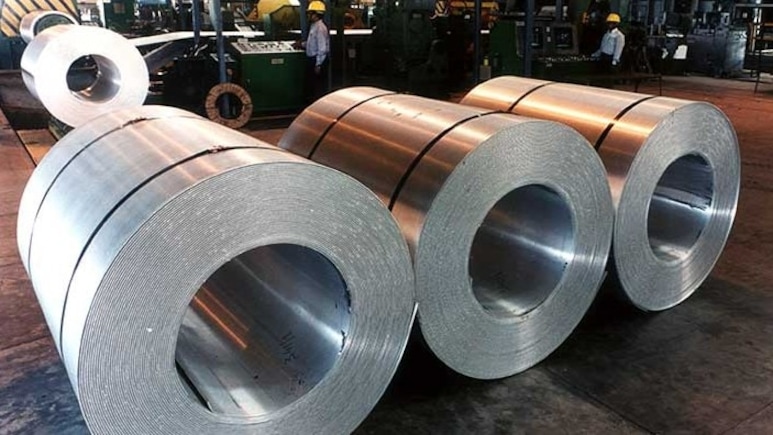
The stress is reflected in production trends. Chopra said output in the segment has declined by 40–50%, with significant underutilisation of capacity. Against an installed capacity of 4.2 million tonnes, extrusion units are currently operating at just 1.2–1.3 million tonnes, while rolled products are at around 1.5 million tonnes.
Rising input costs, especially for aluminium scrap, where India faces among the highest prices globally along with higher logistics costs and regulatory challenges, have further eroded competitiveness. At the same time, cheap imports from countries benefiting from subsidies and trade agreements are putting additional pressure on domestic producers.
Essential Business Intelligence, Sharp Market Insights, Practical Personal Finance Advice, Daily Fuel, Gold and Silver Prices and Latest Stories — On NDTV Profit.