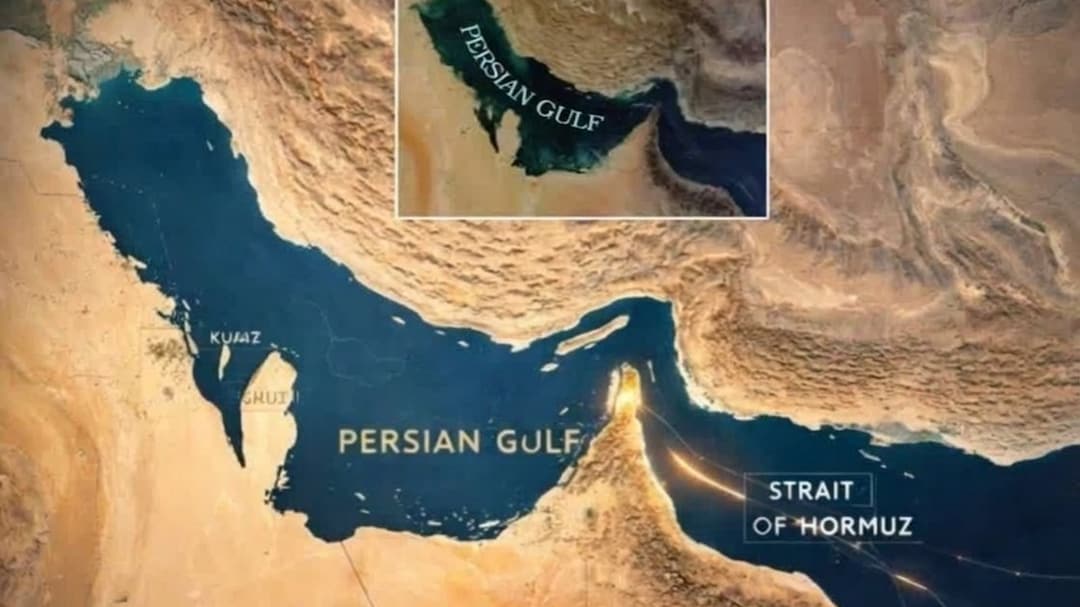
The Strait of Hormuz has been officially opened for commercial passages for the remaining period of the ceasefire, Iran announced on Friday.
Oil prices plunged to $88 per barrel, whereas the Wall Street indices rallied over 1%, with Dow Jones logging a jump of over 600 points.
US President Donald Trump said that any pause or halt in military action with Iran is conditional. If diplomatic talks fail to produce a deal, he expects hostilities to start again.
The 10-day halt to the Israel-Lebanon fighting that began can be extended if there's progress in talks to reach a lasting peace agreement and Lebanon “effectively demonstrates its ability to assert its sovereignty,” the US State Department said.
Here are the latest updates on US-Israel-Iran war
End of Coverage
The live blog has now ended.
Iran Negotiator Announces Plan To Impose Transit Fees On Ships Crossing Strait Of Hormuz: Report
The Iranian ISNA news agency has quoted Mahmoud Nabavian, an official it described as a member of Iran’s negotiating team, as saying that some commercial ships will be permitted to cross the Strait of Hormuz, but only after paying fees.
Iran Vows Reciprocal Action If US Naval Blockade Persists
Iran’s Foreign Ministry spokesperson has offered clarification on an earlier post on X by Foreign Minister Abbas Araghchi.
Esmaeil Baghaei was quoted by the semi-official Tasnim news agency as saying that:
- Shipping through the Strait of Hormuz will be allowed along a pre-determined route by Iran.
- If the maritime blockade of Iran’s ports continues, Iran will take reciprocal measures.
- Iran is the guardian of the Strait of Hormuz and will show leniency where necessary.
Trump Says No Sticking Points Remain In Iran Talks
Trump told the AFP news agency that there are no “sticking points” left for a deal with Iran, likely referring to the Lebanon ceasefire and the opening of the Strait of Hormuz.
“We’re very close. Looks like it’s going to be very good for everybody. And we’re very close to having a deal,” Trump said in Las Vegas.
Iranian officials have not confirmed the US president’s statements.
Lebanese President Aoun Says Country Has Opportunity To Consolidate Security
Lebanon’s President Joseph Aoun has held a phone call with British Prime Minister Keir Starmer, thanking him for London’s support to Beirut, the Lebanese presidency says.
“Lebanon is facing a new phase and an opportunity to consolidate security and stability and extend the authority of the state over all its territories,” Aoun’s office quoted him as telling Starmer.
For his part, the UK prime minister offered his condolences for the victims of Israeli attacks on Lebanon, the Lebanese presidency has said in a statement.
The British leader also said his country was ready to provide humanitarian assistance and would continue to support the Lebanese army in accordance with cooperation agreements.
US Military Deploys 10,000 Troops To Enforce Iran Naval Blockade
The Central Command (CENTCOM) of the US military shares a photo from an aircraft carrier that it said is participating in laying a naval siege on Iran.
“Over 10,000 U.S. Sailors, Marines, and Airmen are enforcing the blockade against ships attempting to enter or depart Iranian ports and coastal areas,” it said.
Trump said earlier that the blockade would continue despite the Iran’s announcement that the Strait of Hormuz is now open to commercial vessels.
Vessels Will Require IRGC Permission To Cross Hormuz: Iranian forces
The Islamic Revolutionary Guard Corps (IRGC) Navy command lays out Iran’s conditions for passage through Hormuz, which it said include obtaining permission from the Iranian military:
- Civilian vessels will pass through a designated route.
- Military vessels remain prohibited from crossing the strait.
- “Movements will only be permitted with the permission of the IRGC Navy.”
“This movement is in line with the agreement on the period of silence on the battlefield and after the implementation of the Lebanese ceasefire,” the IRGC Navy Command added in a statement.
What Is The 'Nuclear Dust', That Trump Wants To Take Away From Iran?
“Nuclear dust” is not a scientific term. Trump appears to be referring to Iran's stockpile of highly enriched uranium, particularly uranium enriched to 60%.
While that is below the roughly 90% purity generally required for weapons-grade material, experts say the leap from 60% to 90% is technically small and can be achieved relatively quickly.
Before the US and Israel launched strikes on Iranian nuclear sites in June last year, Iran was believed to possess more than 400 kilograms of uranium enriched to 60%, along with nearly 200 kilograms enriched to 20%.
Iran Meeting Likely Over The Weekend: Trump
Trump told US news publication Axios that the meeting with Iran is likely to be held over the weekend. While the president did not share the details, he had said on Thursday that Islamabad will likely be the venue for the next round of talks as well.
Iran's Uranium To Be Brought To The US, Says Trump
Trump has told news agency Reuters that Iran's enriched uranium will be brought to the US, under the peace deal in works between the two countries. Earlier, Iran had refused to hand over the uranium, which is seen as crucial to keep its nuclear ambitions alive.
Iran To Close Hormuz Again If US Naval Blockade Persists: Report
Iran could move to close the Strait of Hormuz again if the United States continues its naval blockade, according to the country's semi-official Fars News Agency, which cited an informed source close to the security establishment.
Read full report
Iran War Live Updates: Trump Says Iran to Suspend Nuclear Program, Won’t Get Funds
President Donald Trump said Iran agreed to suspend its nuclear program indefinitely, and will not receive any frozen funds from the US.
Trump said in a phone interview on Friday that a deal to end the war, which the US and Israel began with Iran in late February, is mostly complete. Talks over a lasting agreement will “probably” be held this weekend, the president said.
“Most of the main points are finalized. It’ll go pretty quickly,” Trump said.
Iran has yet to comment on any deal beyond the Hormuz opening, nor on claims made by Trump on Thursday that Tehran had offered concessions — including over the key issue of its nuclear program.
Trump said he hasn’t decided who would lead a US delegation for talks with Iranian officials to sign an agreement. Asked if he would travel to Pakistan, which hosted the last round of negotiations, the president said, “I may.”
JD Vance led discussions with Iranian officials last weekend, and Trump said he was considering sending the vice president alongside his son-in-law, Jared Kushner, and envoy Steve Witkoff for the talks.
The president denied that the moratorium on Iran’s nuclear program would expire after 20 years. Asked if the program will completely halt, Trump responded “No years, unlimited.”
(Source: Bloomberg News)
Iran War Live Updates: Iranian Envoy Links Lebanon Ceasefire And Hormuz Talks To Regional Peace
Iran’s ambassador to Pakistan, Reza Amiri Moghadam, has said the truce in Lebanon and the opening of the Strait of Hormuz “pave the ground” for a broader agreement.
Moghadam added that diplomacy through the Pakistan’s initiatives could lead to “permanent peace and collective security, sustainable development, progress and prosperity for All in the region and beyond.”
“Reliable Trust, Goodwill, avoiding redundancy in action and words, RESPECT, ‘Practical Will to Action’ as well as particularly Synergy among the countries of the region can bridge the existing gaps to achieve the significant goals,” he wrote on X
Iran War Live Updates: Trump Takes Jibes At American Media
The US president has renewed his attacks on American news outlets over what he sees as critical coverage of his Iran policies.
“The Failing New York Times, FAKE NEWS CNN, and others, just don’t know what to do,” Trump wrote in a social media post.
“They are desperately looking for a reason to criticize President Donald J. Trump on the Iran situation, but just can’t find it. Why don’t they just say, at the right time, JOB WELL DONE, MR. PRESIDENT, and start to gain back their credibility???”
Iran War Live Updates: Hezbollah Bloc Slams Israel Talks But Supports Ceasefire
Hezbollah’s parliamentary bloc has cautiously backed a ceasefire — but only if comprehensive, covering all Lebanese territory, and serving as a prelude to full Israeli withdrawal.
The bloc credited Iran with securing the ceasefire, saying it “was achieved primarily against the backdrop of Iranian pressures and diplomatic contacts.”
The group sharply condemned the government for entering direct negotiations with Israel, warning that the authorities have placed Lebanon on a “dangerous path of concessions” they cannot deliver.
“The government has reneged on every commitment it had previously declared as a prerequisite for entering into any negotiation process,” it said
Iran War Live Updates: Israel Strike On Lebanon Kills One, Says Report
Reports from Lebanon’s National News Agency (NNA) indicate that an Israeli strike on a southern Lebanon town has resulted in the death of one person.
Iran War Live Updates: Iran To Close Hormuz If Blockade Persists, Says Iranian Media
Iran's Fars news agency has reported citing a source that Iran will close the Strait of Hormuz if America's blockade continues.
Iran War Live Updates: Crude Oil Check
Brent Crude slipped further, down over 13% to $85.9 a barrel after Trump claimed that Iran has agreed to never close the Strait again.
Iran War Live Updates: Trump claims Iran agreed to ‘never’ close Strait of Hormuz again
The US president claims that Iran has “agreed to never close the Strait of Hormuz again”.
He said in a social media post that “It will no longer be used as a weapon against the World!”
Iran War Live Updates: Trump Extends Gratitude To Pakistan For Mediation Efforts
President Donald Trump expressed high praise for Pakistan and its leadership, describing the opening of Hormuz as a "great and brilliant day for the world." He extended his gratitude directly to the Prime Minister of Pakistan, signaling a period of optimistic and strengthened cooperation between the two nations.
Iran War Live Updates: Macron, Starmer Welcome Hormuz Opening
Macron, Starmer welcome Hormuz opening but say it must become permanent and they'll keep planning international mission, reports AP
Iran War Live Updates: Trump Thanks Saudi Arabia And Other Countries
"Thank you to Saudi Arabia, UAE, and Qatar for your great bravery and help! President DONALD J. TRUMP", Trump said in a post on Truth Social.
Iran War Live Updates: Trump Takes Jibe At NATO Countries Again
"Now that the Hormuz Strait situation is over, I received a call from NATO asking if we would need some help. I TOLD THEM TO STAY AWAY, UNLESS THEY JUST WANT TO LOAD UP THEIR SHIPS WITH OIL. They were useless when needed, a Paper Tiger! President DJT," Trump said in a post on Truth Social.
Iran War Live Updates: Indian Equity Market To Extend Rally?
Indian equity markets are looking at a gap-up opening on Monday as GIFT Nifty, the country's early market indicator rose as much as 1% to 24,720 on Friday evening.
As of 7:20 p.m. IST, the market indicator showed 1.23% or nearly 300 points higher opening at 24,721.50.
This comes after Iranian Foreign Minister Abbas Araghchi announced the "complete" opening of Strait of Hormuz till the ceasefire with the United States ends on April 21. The decision, he said, has been taken in view of the temporary truce announced in Lebanon
Iran War Live Updates: America To Get Iran's Nuclear Dust? Here's What Trump Said
In a new social media post, the US president said Washington will get all of Iran’s enriched uranium, which he refers to as “Nuclear ‘dust'”.
He added that no money would not be exchanged “in any way, shape, or form” and that this deal would not be subject to developments in Lebanon.
Iran War Live Updates: 'The Physical Market Will Recover With A Lag," Says Probal Sen
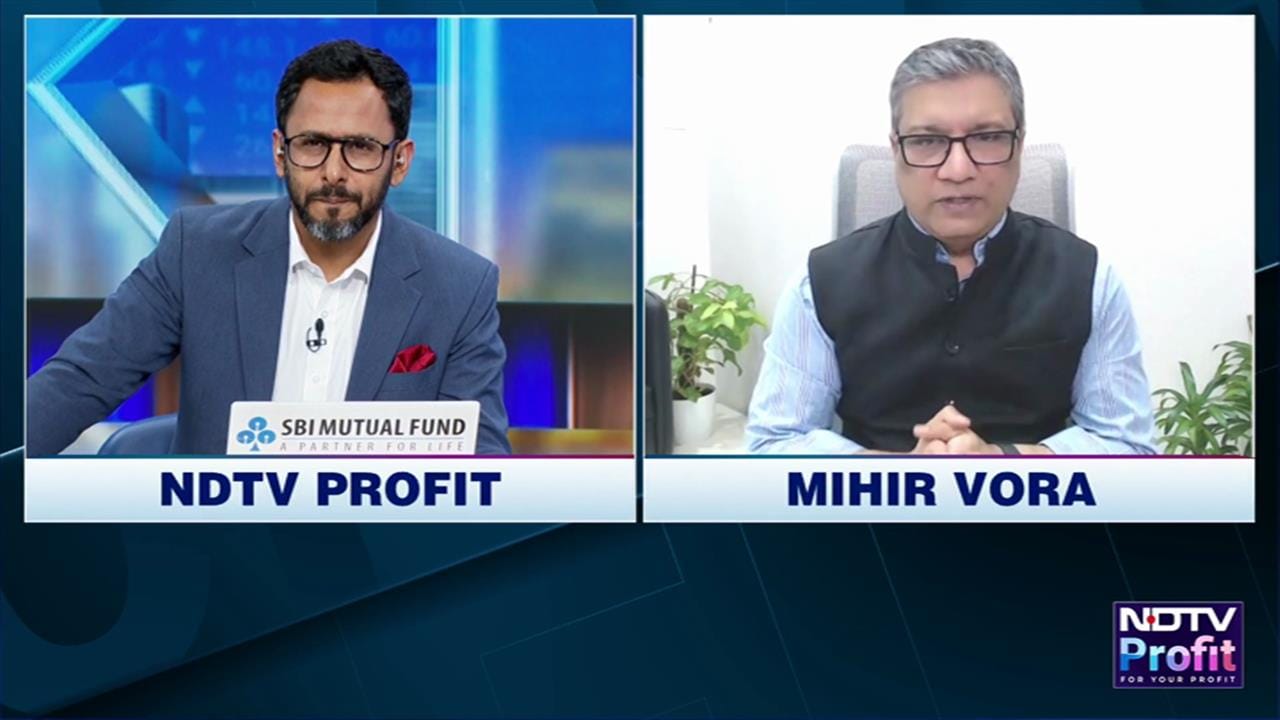
While talking to NDTV Profit on the re-opening of Strait of Hormuz, the Vice President of equity research at ICICI securities, Probal Sen said that one needs to watch out how this measure is followed through after the 4-day ceasefire period.
He also pointed out that while equity markets and commodities have rejoiced Iran's concessions on the Strait, it will "take several months" for the physical markets to recover owing to the backlog of ships in the Hormuz.
Iran War Live Updates: Israel 'Prohibited' To Bomb Lebanon, Says Donald Trump
Taking to his social media platform truth social, Donald Trump announced that Israel is "prohibited" from bombing Lebanon.
"The U.S.A. will get all Nuclear “Dust,” created by our great B2 Bombers - No money will exchange hands in any way, shape, or form. This deal is in no way subject to Lebanon, either, but the USA will, separately, work with Lebanon, and deal with the Hezboolah situation in an appropriate manner. Israel will not be bombing Lebanon any longer. They are PROHIBITED from doing so by the U.S.A. Enough is enough!!! Thank you! President DJT," Trump stated.
Iran War Live Updates: Why Is Opening Of The Hormuz Significant? ICICI Securities VP Explains
The opening of the Strait is significant because it signals that there are negotiations going on between the US and Iran, and Iran is willing to offer some concessions when it comes to the energy markets, ICICI securities VP Probal Sen told NDTV Profit.
Iran War Live Updates: Ships Seen Moving Through Hormuz, Says Iranian Media
Commercial ships have begun passing through the key maritime route, Iranian media houses reported. However, passage of military ships is still banned through Hormuz.
Iran War Live Updates: Markets Rejoice Strait Of Hormuz Opening
Wall Street Rallies
S&P 500, Nasdaq and Dow Jones Industrial Average opened higher on Friday Iran declared that the Strait of Hormuz was "completely open" for all commercial vehicles, till the end of ceasefire with the United States.
Minutes into the trade, the Dow Jones Industrial Average rose 683.19 points or 1.43%, S&P 500 also rose over 0.79%, while Nasdaq was up 0.99%.
Crude Oil Prices Recover
Crude on the other hand fell to $88 per barrel, over 10%, after Iranian Foreign Minister Abbas Araghchi announced the "complete" opening of Strait of Hormuz till the ceasefire with the United States ends on April 21.
Spot Gold Prices Rises
Spot gold rose 1.4% To Around $4,855.49/Oz
Dollar Weakens
Spot Index fell 0.5% At 97.75
Iran War Live Updates: Naval Blockade On Iran To Remain In Place Till Peace Deal Inked, Says Trump
The US president says the Strait of Hormuz is “completely open and ready for business” but US’s naval blockade of Iran will remain in place until a deal with Iran is reached.
“The naval blockade will remain in full force and effect as it pertains to Iran, only, until such time as our transaction with Iran is 100% complete,” Trump said, adding that this process “should go very quickly” as most points have been negotiated.
Iran War Live Updates: Wall Street Hits Session's High On Hormuz Re-Opening
The main US stock market indices opened in the green on Friday after Iran declared that the key Strait of Hormuz is 'completely open'.
Dow Jones Industrial Average added over 600 points, while S&P 500 rose 1%, and tech-heavy Nasdaq Composite was up by 0.9%
Iran War Live Updates: Crude Oil Plummets 10% On Opening Of Hormuz
Crude oil prices slumped by around 10% after Iran declared that the Strait of Hormuz was "completely open" for all commercial vehicles, till the end of ceasefire with the United States.
Brent, the global crude benchmark, was down by 10.73% to $88.73 an ounce.
Iran War Live Updates: Iran's Foreign Minister Announces Opening Of Strait Of Hormuz
In a post on X, Seyed Abbas Araghchi said, "In line with the ceasefire in Lebanon, the passage for all commercial vessels through Strait of Hormuz is declared completely open for the remaining period of ceasefire, on the coordinated route as already announced by Ports and Maritime Organisation of the Islamic Rep. of Iran."
Iran War Live Updates: 'Iran Announced Strait Of Iran Fully Open,' Says Trump
In a post on Truth Social, Donald Trump said, "Iran has just announced that the Strait of Iran is fully open and ready for full passage. Thank you!"
Iran War Live Updates: US-Iran Truce Talks Likely To Take Place On Sunday, Report Says
US-Iran talks expected in Islamabad, likely on Sunday, an Axios report stated.
Iran War Live Updates: Trump Takes Jibe At NATO Countries Again
"Now that the Hormuz Strait situation is over, I received a call from NATO asking if we would need some help. I TOLD THEM TO STAY AWAY, UNLESS THEY JUST WANT TO LOAD UP THEIR SHIPS WITH OIL. They were useless when needed, a Paper Tiger!", Trump said in a post on Truth Social
Iran War Live Updates: Iran Rejects Temporary Ceasefire
Iran’s deputy foreign minister says Tehran rejects any temporary ceasefire and is seeking a comprehensive end to the war across the region.
Speaking to reporters on the sidelines of the Antalya Diplomacy Forum, Saeed Khatibzadeh said any ceasefire must include all conflict zones “from Lebanon to the Red Sea”, describing it as a “red line” for Iran.
“We are not accepting any temporary ceasefire,” he said, adding that the cycle of conflict “should end here once and for all”.
Iran War Live Updates: Yuan, Not Dollar: Indian Refiners Settle Iranian Oil Deals As US Waiver Nears End
As the Indian market continues to deal with the global energy crisis emanating from the Iran War, Indian refiners are settling payments for limited cargoes of Iranian crude oil using the Chinese yuan, with transactions being routed through ICICI Bank, according to a report from Reuters.
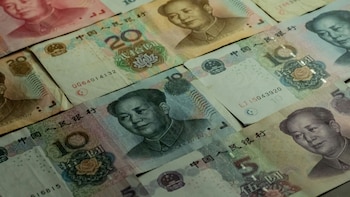
Iran War Live Updates: Indian Refiners Pay For Iran Oil In Yuan
Indian refiners are settling payments for rare cargoes of Iranian oil purchased under a temporary US sanctions waiver using Chinese yuan through Mumbai-based ICICI Bank, four sources with knowledge of the matter said, Reuters exclusively reported.
Iran War Live Updates: South Korea tanker passes through Red Sea Route
A South Korean-flagged tanker carrying crude oil from Saudi Arabia's Yanbu port has safely exited the Red Sea, South Korean officials said. The passage marks the country's first such shipment since it began seeking alternative energy routes, while Iran is largely blocking the Strait of Hormuz. The Ministry of Oceans and Fisheries did not immediately say how many tankers would attempt to use the Red Sea route or when the vessel that passed would arrive in South Korea.
Officials say 26 of South Korea's vessels remain stranded in the strait.
Iran War Live Updates: German Foreign Minister Says Long-Term Accords Needed After Ceasefire
German Foreign Minister Johann Wadephul welcomed the ceasefire between Israel and Hezbollah and thanked the US for its role as a mediator.
What is needed now, Wadephul said, are long-term agreements on securing the border, protecting civilians on both sides of the Blue Line, and ensuring the safety of UNIFIL peacekeepers.
He said the talks paved the way for a future reality in which the interests of both sides are equally taken into account: Israel's legitimate security interests and Lebanon's right to territorial integrity and sovereignty.
Iran War Live Updates: French President Praises Ceasefire In Lebanon
French President Emmanuel Macron said he supports the 10-day ceasefire between Hezbollah and Israel and called for its continuation.
Hezbollah must renounce its weapons. Israel must respect Lebanese sovereignty and stop the war,” he said Friday in a post on X.
Iran War Live Updates: US And Russia Vie For Role Of Nuclear Provider
The energy disruptions come as competition for influence in Africa intensifies between Washington and Moscow.
Russia's Rosatom is building Egypt's first reactor and has cooperation agreements with Ethiopia, Burkina Faso, Ghana, Tanzania and Niger, spanning major projects, research centres, uranium processing facilities and training programs.
While only Kenya and Ghana have joined an American-led modular reactor initiative, Washington is trying to catch up.
The US and South Korea sponsored a nuclear conference in Nairobi last month. Ryan Taugher of the US State Department said Washington is working with African nations to rapidly develop secure and safe civil nuclear reactors.
(Source: AP)
Iran War Live Updates: Hard-Hit Asia Advances On Nuclear
In Asia, where energy triage efforts range from increased coal use to purchases of Russian crude oil, countries with nuclear plants are seeking to get more out of their existing reactors. South Korea is increasing generation at its nuclear plants and speeding up maintenance at five offline reactors, with restarts planned in May.
Taiwan and Japan are reversing policies that shuttered nuclear sites following the 2011 Fukushima nuclear meltdown, triggered when an earthquake and tsunami disabled the power supply that cooled the reactors.
In Japan, since the start of the war, Prime Minister Takaichi Sanae has signed a $40 billion reactor deal with the US, a nuclear fuel recycling agreement with France and promised Indonesia nuclear cooperation. Japan restarted the world's largest nuclear plant, the Kashiwazaki-Kariwa site, in January.
(Source: AP)
Iran War Live Updates: Pakistan PM Welcomes Announcement Of Ceasefire
Shehbaz Sharif, Prime Minister of Pakistan welcomed the announcement of ceasefire in Lebanon and wrote, "I welcome the announcement of a ceasefire in Lebanon, facilitated through bold and sagacious diplomatic efforts led by President Donald Trump, and express the hope that it will pave the way for sustainable peace. Pakistan reaffirms its unwavering support for the sovereignty and territorial integrity of Lebanon, and will continue to support all efforts aimed at lasting peace in the region."
I welcome the announcement of a ceasefire in Lebanon, facilitated through bold and sagacious diplomatic efforts led by President Donald Trump, and express the hope that it will pave the way for sustainable peace.
— Shehbaz Sharif (@CMShehbaz) April 17, 2026
Pakistan reaffirms its unwavering support for the sovereignty and…
Iran War Live Updates: US Forces Ready Across Middle East
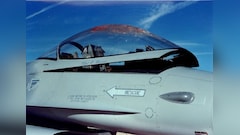
US forces are forward and ready across the Middle East, including America's Air Force. US Air Force F-16 Fighting Falcons conduct a readiness flight in the U.S. Central Command area of responsibility.
U.S. forces are forward and ready across the Middle East, including America's 🇺🇸Air Force.
— U.S. Central Command (@CENTCOM) April 16, 2026
U.S. Air Force F-16 Fighting Falcons conduct a readiness flight in the U.S. Central Command area of responsibility. pic.twitter.com/fgIa7sPqau
Iran War Live Updates: Pakistan Starts Preparing For Next Round Of US-Iran Talks
Pakistan has started preparing to host the second round of high-stakes talks between the US and Iran during the next week for a landmark peace deal to end the war in West Asia that has crippled global energy supplies, officials said. The US and Iran held rare direct talks in Pakistan over the weekend aimed at ending their conflict, but the talks ended early Sunday without any agreement.
Official sources in Pakistan said that a feverish diplomatic activity followed to bring the two sides back to the negotiating table. It was met with success as both continue to observe the temporary two-week ceasefire, allowing Pakistan to relaunch its mediatory push.
After working behind the scenes, Prime Minister Shehbaz Sharif embarked on a tri-nation tour on Wednesday, while Field Marshal Asim Munir landed in Tehran on the same day.
(Source: PTI)
Iran War Live Updates: Sri Lanka Worst Impacted In Asia-Pacific
Sri Lanka is among the worst impacted countries in the Asia-Pacific due to the ripple effects of the West Asia crisis, a UN report said. The report published by the United Nations Development Programme, released on Thursday, provides a preliminary assessment on how the ongoing conflict is destabilising global trade, energy markets, and financial systems.
The report titled "Military escalation in the Middle East: Human Development Impacts Across Asia and the Pacific" shows that Sri Lanka is highly exposed, as 80.2% of migrant-worker departures from the island nation in 2025 were to the Middle East, the report says.
Sri Lanka is among the worst impacted countries in the Asia-Pacific due to the ongoing conflict in West Asia, the UN report said.
Iran War Live Updates: Celebrations In Lebanon After Ceasefire
Lebanon saw celebrations after the US State Department announced a 10-day ceasefire for Israeli-Lebanese talks on a permanent peace and security deal. Cars poured south as people displaced by Israeli attacks headed home, reports Al Jazeera.
Iran War Live Updates: Northern Israeli Leaders Criticise Proposed Lebanon ceasefire
Two local leaders in northern Israel criticised a proposed ceasefire with Lebanon, warning it would leave communities vulnerable.
Moshe Davidovich, head of the Mateh Asher Regional Council, said agreements may be signed in Washington but “the price is paid here in blood, in destroyed homes and shattered communities”.
He warned that a ceasefire without strict enforcement against Hezbollah and a buffer zone up to the Litani River, some 30 km north of the Israeli border, would amount to “waiting for the next massacre”.
Eitan Davidi, head of the Margaliot moshav, called the move “a surrender” and “a political defeat.” He told the N12 news site it was made without coordination with northern residents and contradicts the stated goal of dismantling Hezbollah's capabilities.
(Source: AP)
Iran War Live Updates: Hezbollah Reacts To Ceasefire Announcement
Hezbollah said in a statement that "any ceasefire must be comprehensive across all Lebanese territory and must not allow the Israeli enemy any freedom of movement." Hezbollah added that "Israeli occupation on our land grants Lebanon and its people the right to resist it, and this matter will be determined based on how developments unfold," a stance that could complicate the ceasefire.
(Source: AP)
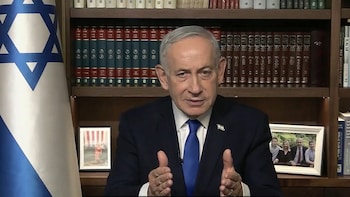
Iran War Live Updates: Netanyahu Sees 'Historic Opportunity' For Lebanon Peace Deal
Prime Minister Benjamin Netanyahu said that Israel sees a "historic opportunity" to pursue a peace agreement with Lebanon, citing dramatic changes to the regional balance of power following recent hostilities and renewed diplomatic engagement led by the United States. In video posted on X (formerly Twitter), Netanyahu said US President Donald Trump intends to invite him and the president of Lebanon for talks aimed at advancing a potential agreement.
Iran War Live Updates: IMF Warns Of War's Human Impact Far From Middle East
IMF economists warned that the war in Iran could have "very, certainly severe" consequences far outside the region – especially for energy-importing countries. Countries in East Asia and Sub-Saharan Africa are among the countries most affected now -- and who could suffer the most -- outside the region, as the conflict stretches on. For those that rely on imports for food, fertilizer, and energy, the elevated prices are proving worrisome.
"Oil impacted importers, particularly non-resource-rich and fragile states, face deteriorating trade balances, rising living costs and limited buffers" to absorb future shocks," warned Abebe Selassie, the International Monetary Fund (IMF) Director for Africa, at a press conference.
Iran War Live Updates: Hegseth Says US Forces Locked And Loaded
US Defence Secretary Pete Hegseth said US forces were "locked and loaded" and could strike Iran’s dual-use infrastructure, power generation and energy industry. He said the current blockade on Iranian ports showed what he called “polite” behaviour during the ceasefire.
His remarks came after President Donald Trump and other US officials said they were optimistic about reaching a deal with Iran
Iran War Live Updates: Hope Hezbollah Acts Nicely, Says Trump
On social media platform Truth Social, US President Donald Trump wrote, "I hope Hezbollah acts nicely and well during this important period of time. It will be an GREAT moment for them if they do. No more killing. Must finally have PEACE! Thank you for your attention to this matter. President DONALD J. TRUMP." [sic]
Iran War Live Updates: Iran's Parliamentary Speaker Says Lebanon Integral Part Of Ceasefire
Iran's parliamentary speaker on Thursday said Lebanon is an integral part of regional ceasefire. Mohammad Bagher Ghalibaf made these remarks on Iranian state television after meeting Pakistan's army chief Gen Asim Munir in Tehran. US President Donald Trump announced a 10-day truce between Lebanon and Israel in a bid to end the war between Israel and the Hezbollah militant group.
Iran, Hezbollah's key patron and ally, has included ending the war in Lebanon as one of its conditions in its talks with Washington, mediated by Pakistan.
There was no mention about resuming in-person talks with Washington, as both sides gear up for a second round of talks.
Iran War Live Updates: US Central Command Chief Appears At Pentagon
As Hegseth and Caine discussed the blockade, Adm Brad Cooper, the head of US Central Command, made a rare appearance in the Pentagon briefing room. He said that before the ceasefire took hold, American service members and troops from allied countries in the Persian Gulf had "fought together side by side."
"In creating the largest air defense umbrella in the world across the Middle East, we embedded specially trained US military air defenders alongside our partner nation soldiers," Cooper said, adding that Bahrain's king and crown prince knew American soldiers by name.
Iran War Live Updates: Ships Near Blockade Face US Warnings
Vessels that approach the blockade, which is being enforced in Iran's territorial seas and international waters and not in the Strait of Hormuz, get a warning, Caine said. "Any ship that would cross the blockade would result in our sailors executing pre-planned tactics designed to bring the force to that ship. If need be, board the ship and take her over," he said.
US Central Command has released a recording of a radio broadcast sent to vessels in the region that said the military was ready to use force if needed to compel compliance. "Vessels will be boarded for interdiction and seizure transiting to or from Iranian port," the message said.
Defence Secretary Pete Hegseth told reporters that "less than 10% of America's naval power" is being used to enforce the blockade. The Navy has 16 warships -- 11 destroyers, three amphibious assault ships, an aircraft carrier and a littoral combat ship -- in the Middle East out of a battle force of roughly 300 total warships.
Also supporting the blockade are a series of aircraft as well as surveillance, reconnaissance and intelligence operations designed to give the Navy the latest information on the vessels it is encountering.
Iran War Live Updates: Us Military Details Items That Could Be Seized From Iran-Linked Ships
The US military's new list of banned materials includes products such as weapons, ammunition and military equipment that are classified as "absolute contraband." However, it also lists items such as oil, iron, steel, aluminum and other goods as "conditional contraband" that it argues can be used both for civilian and military purposes.
Otherwise innocuous items like electronics, power generation equipment or heavy machinery can be seized if "circumstances indicate intended military end-use," the notice says.
Iran War Live Updates: Trump Says War In Iran Going 'Swimmingly'
Even as uncertainty continues in the Middle East, US President Donald Trump on Thursday has suggested that the ongoing conflict with Iran should be ending pretty soon, pointing to what he believes US' greater leverage over its Middle Eastern counterpart.
Iran War Live Updates: Trump Congratulates Taranjit Sandhu
US President Donald Trump posts on his Truth Social, "Congratulations to Taranjit Sandhu on becoming the new Lt Governor of Delhi! As a seasoned Diplomat and former Ambassador to the United States, he has always shown deep commitment to strengthening the U.S.-India relationship. Wishing him success in leading Delhi’s progress and furthering global ties! President DONALD J. TRUMP"
Iran War Live Updates: Fundamentally Changed Balance Of Power In Lebanon, Says Netanyahu
On ceasefire with Lebanon, Israel Prime Minister Benjamin Netanyahu said, "This opportunity exists because, since the 'War of Redemption,' we have fundamentally changed the balance of power in Lebanon. We activated the pagers; we eliminated the massive arsenal of 150,000 rockets and missiles that Nasrallah prepared to destroy Israel’s cities."
Prime Minister Benjamin Netanyahu, this evening:
— Prime Minister of Israel (@IsraeliPM) April 16, 2026
"We have an opportunity to forge a historic peace agreement with Lebanon. President @realDonaldTrump intends to invite me and the President of Lebanon in order to try to advance this agreement.
1/13 pic.twitter.com/lYMjAzm2Je
Iran War Live Updates: India Urges Restraint And Calls For Safe Shipping In Strait Of Hormuz
India’s representative to the United Nations, Parvathaneni Harish, said New Delhi has expressed deep concern since the conflict in Iran and the Gulf region began on Feb 28, 2026 and has urged all states to avoid escalation and protect civilians.
Harish said India had called for dialogue, diplomacy and respect for the sovereignty and territorial integrity of all states.
He said India condemned attacks on commercial shipping, noting that Indian seafarers had died during the conflict, and urged the restoration of safe and unimpeded navigation and commerce through the Strait of Hormuz.
Iran War Live Updates: Brent Crude Drops To $98 As Trump Signals Hope On Iran Deal
Oil prices retreated after US President Donald Trump struck a more optimistic note on the prospects of a lasting ceasefire with Iran, offering markets a breather after weeks of turbulence. Brent crude eased toward $98 a barrel, while US benchmark West Texas Intermediate hovered near $93, reversing part of the previous session's sharp gains.

Iran War Live Updates: Deal Between Israel And Lebanon - Statement
The text of the following statement was agreed to by the Government of Israel and Government of Lebanon:
Following productive direct talks on April 14 between the governments of the Republic of Lebanon (hereinafter "Lebanon") and the State of Israel (hereinafter "Israel"), brokered by the United States of America, Lebanon and Israel have reached an understanding in which both nations will work to create conditions conducive to lasting peace between the two countries, full recognition of each other’s sovereignty and territorial integrity, and establishing genuine security along their shared border, while preserving Israel’s inherent right to self-defense.
Both countries recognise the significant challenges faced by the Lebanese state from non-state armed groups, which undermine Lebanon's sovereignty and threaten regional stability. Both countries understand that those groups’ activities must be curtailed, such that the only forces authorised to bear arms in Lebanon will be the Lebanese Armed Forces (LAF), Internal Security Forces, Directorate of General Security, General Directorate of State Security, Lebanese Customs and Municipal Police (hereinafter "Lebanon’s security forces").
Israel and Lebanon affirm that the two countries are not at war and commit to engaging in good-faith direct negotiations, facilitated by the United States, with the objective of achieving a comprehensive agreement that ensures lasting security, stability, and peace between the two countries.
Iran War Live Updates: Trump Praises Pakistan's Leadership
US President Donald Trump said he could travel to Islamabad to seal a deal, praising Pakistan’s leadership and signalling he “might go” if an agreement is signed there:
Iran War Live Updates: Iran Wants To Make A Deal, Says Trump
When asked if he will extend the ceasefire with Iran, US President Donald Trump says, "We're doing very well...I'm not sure it needs to be extended. Iran wants to make a deal, and we're dealing very nicely with them. We've got to have no nuclear weapons. That's a big factor. They're willing to do things today that they weren't willing to do two months ago"
Iran War Live Updates: Had A Very Good Conversation With Friend Modi, Says Trump
US President Donald Trump said he had a "very good conversation" with his "friend" Prime Minister Narendra Modi. He was referring to the talks the two leaders had on Tuesday.
"I had a very good talk with him, and he's a friend of mine from India, and he's doing great. We had a very good conversation," Trump told reporters here as he headed to Las Vegas to address a roundtable on tax cuts.
Trump had called Modi on Tuesday to discuss the bilateral relationship and share perspectives on the situation in West Asia, where the US and Israel have launched a war on Iran.
Iran War Live Updates: Iran Will NOT Have Nuclear Weapons, Says Trump
On whether a 20-year minimum for Iran to stop enriching uranium is acceptable, US President Donald Trump says, "We have a statement, a very powerful statement, that they will not have — beyond 20 years — that they will NOT have nuclear weapons. There's no 20-year limit."
.@POTUS on whether a 20-year minimum for Iran to stop enriching uranium is acceptable:
— Rapid Response 47 (@RapidResponse47) April 16, 2026
"We have a statement, a very powerful statement, that they will not have — beyond 20 years — that they will NOT have nuclear weapons. There's no 20-year limit." pic.twitter.com/saqa3DjfYl
Iran War Live Updates: Fighting Resumes If.... Here's What Donald Trump Said
On whether the ceasefire will be extended with Iran if no deal happens, Trump says: "If there's no deal, fighting resumes."
.@POTUS on Iran: "If there's no deal, fighting resumes." pic.twitter.com/CAhgLvmBjT
— Rapid Response 47 (@RapidResponse47) April 16, 2026
Iran War Live Updates: Stock Market Is Good, Oil Prices Coming Down, Says Trump
On stock markets and crude prices, US President Donald Trump says, "The stock market is good, the oil prices are coming down, and it's looking very good that we're going to make a deal with Iran — and it's going to be a good deal, it's going to be a deal with no nuclear weapons."
.@POTUS: "The stock market is good, the oil prices are coming down, and it's looking very good that we're going to make a deal with Iran — and it's going to be a good deal, it's going to be a deal with no nuclear weapons." pic.twitter.com/Aer1I2KWCn
— Rapid Response 47 (@RapidResponse47) April 16, 2026
Iran War Live Updates: Dealing Very Nicely With Iran, Says Trump
US President Donald Trump said, "Iran wants to make a deal, and we're dealing very nicely with them. We've got to have no nuclear weapons. That's a big factor, and they're willing to do things today that they weren't willing to do two months ago."
.@POTUS: "Iran wants to make a deal, and we're dealing very nicely with them. We've got to have no nuclear weapons. That's a big factor, and they're willing to do things today that they weren't willing to do two months ago." pic.twitter.com/4jVwoNI0VI
— Rapid Response 47 (@RapidResponse47) April 16, 2026
Essential Business Intelligence, Sharp Market Insights, Practical Personal Finance Advice, Daily Fuel, Gold and Silver Prices and Latest Stories — On NDTV Profit.