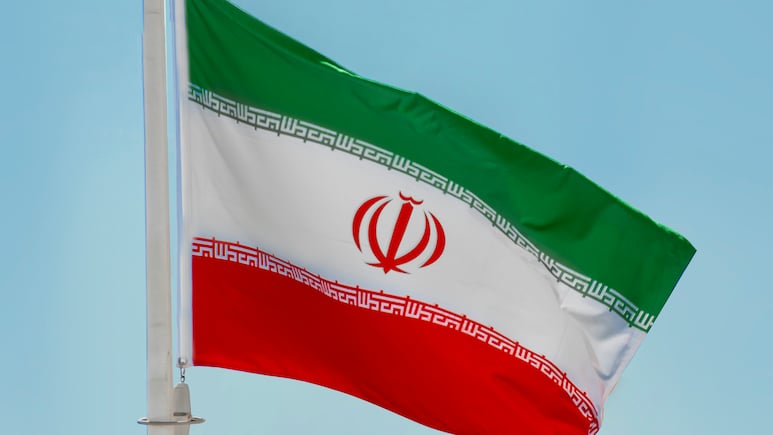
Iran has not yet responded to a proposed framework agreement from the United States aimed at ending the ongoing conflict and reopening the Strait of Hormuz, according to state media reports cited by Al Jazeera.
Deliberations on the final text of the proposal are continuing in Tehran, an unnamed source close to Iran's negotiating team told the Mehr news agency. The source said Iranian officials are carefully evaluating the offer due to what they describe as a longstanding pattern of mistrust in dealings with Washington.
“America's history of bad faith and historical distrust has caused Iran to view the matter very strictly. Based on previous experiences, Iran is seeking tangible and real benefits,” the source said, according to Mehr and cited by Al Jazeera.
Also Read | Layoffs Are Rising In Tech, But These Skills Are Helping People Unlock Better Pay
The report comes as diplomatic efforts continue to prevent a further escalation in the region following months of conflict and disruptions to global energy supplies.
ALSO READ: Video: Iran's IRGC Strikes Giant Cargo Ship In Retaliation To Attack On Iranian Vessel
According to a Reuters report, Iran is pushing for a limited interim agreement with the United States as it seeks relief from mounting economic pressure while avoiding major concessions on its nuclear programme.
The strategy reflects Tehran's longstanding approach of withstanding external pressure, preserving its core negotiating positions and keeping diplomatic channels open, three Iranian sources familiar with the matter told Reuters.
However, officials are also motivated by more immediate challenges. A temporary arrangement could help ease economic strain, unlock financial relief and stabilise domestic conditions without forcing Iran to address the most contentious aspects of its nuclear activities, Reuters reported.
The diplomatic push follows weeks of heightened tensions after US-Israeli strikes in late February triggered a broader regional conflict. Iranian actions across the Gulf raised concerns over the security of the Strait of Hormuz, a vital maritime chokepoint through which roughly one-fifth of global oil and liquefied natural gas supplies pass.
ALSO READ: Everybody Hates You...': Trump Yells At Netanyahu In Tense Phone Call Over Lebanon, Says Report
Despite a fragile ceasefire reached in early April, the standoff has largely settled into a stalemate. A US blockade on Iranian ports and Tehran's continued leverage over the Strait of Hormuz have sustained pressure on both sides, increasing economic costs while leaving the threat of renewed hostilities unresolved.
Against this backdrop, both Washington and Tehran appear to be lowering expectations for a comprehensive agreement. Instead, discussions are increasingly focused on a temporary memorandum or interim arrangement designed to prevent a return to open conflict while postponing fundamental disputes over Iran's nuclear programme, Reuters reported, citing sources.
Essential Business Intelligence, Sharp Market Insights, Practical Personal Finance Advice, Daily Fuel, Gold and Silver Prices and Latest Stories — On NDTV Profit.