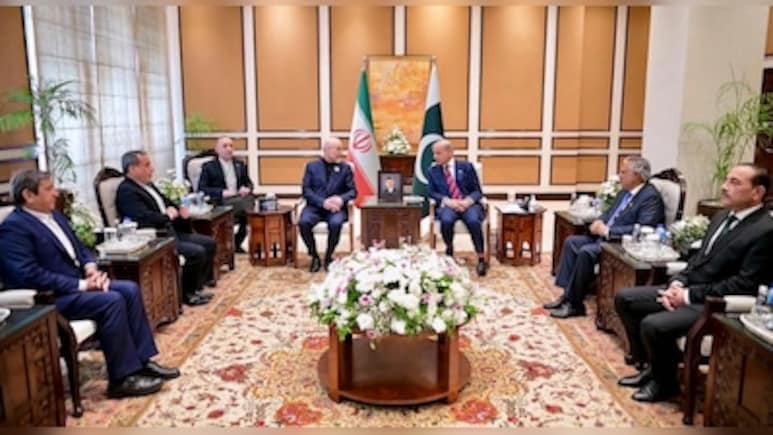
Turkiye Minister of Foreign Affairs Hakan Fidan has expressed cautious optimism over the prospects of a ceasefire between Iran and the United States, even after Pakistan-mediated negotiations failed over the weekend.
The collapse of the talks has dimmed hopes for an immediate breakthrough in the conflict that erupted in late February, which has claimed thousands of lives and unsettled global markets. “Both sides are sincere about the ceasefire,” Fidan said in an interview with Anadolu Agency, noting that he has remained in touch with stakeholders involved in the negotiations.
Also Read: Islamabad Talks Fail: What's Next As US-Iran Tensions Escalate
However, he cautioned that regional dynamics could complicate progress. “We always need to take Israel's potential for acting as a spoiler into account,” he said, referring to Israel.
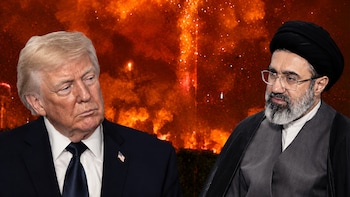
Meanwhile, Donald Trump has attributed the breakdown in talks to Tehran's unwillingness to scale back its nuclear programme.
“I think the Iranians will evaluate the proposal made by the Americans and respond,” Fidan said, adding that sticking points remain. “I am thinking that if the nuclear issue comes down to an all-or-nothing situation, especially regarding enrichment, we might face serious obstacles.”
Despite the challenges, he indicated that diplomatic channels remain active. “Hopefully, we will try to overcome this with the support of some mediators,” he added.
Turkiye has been part of broader diplomatic efforts—alongside Egypt and Pakistan—to secure a ceasefire in the region.
Tensions have also intensified around the Strait of Hormuz after Trump announced a blockade, raising concerns over global energy supplies.
“Negotiations with Iran should be conducted, persuasion methods should be used, and the strait should be opened as soon as possible,” Fidan said.
He suggested that reopening the key shipping route may not be the primary hurdle. “The issue (opening of Hormuz) may be resolved in about two to three weeks, with some kind of agreement. The problem is not there,” he said.
“The real question is whether something will emerge afterward that will bring a new phase... because this is an international free passage zone. Any disruption to freedom of navigation is not something parties want to see.”
Fidan added that regional powers broadly favour maintaining stability in the aftermath of the conflict. “They want the post-war order to remain the same as the pre-war order. They have major interests and expectations in this regard.”
Also Read: Explained: Why US-Iran Talks In Islamabad Failed; Key Sticking Points
Essential Business Intelligence, Sharp Market Insights, Practical Personal Finance Advice, Daily Fuel, Gold and Silver Prices and Latest Stories — On NDTV Profit.