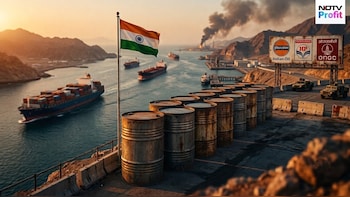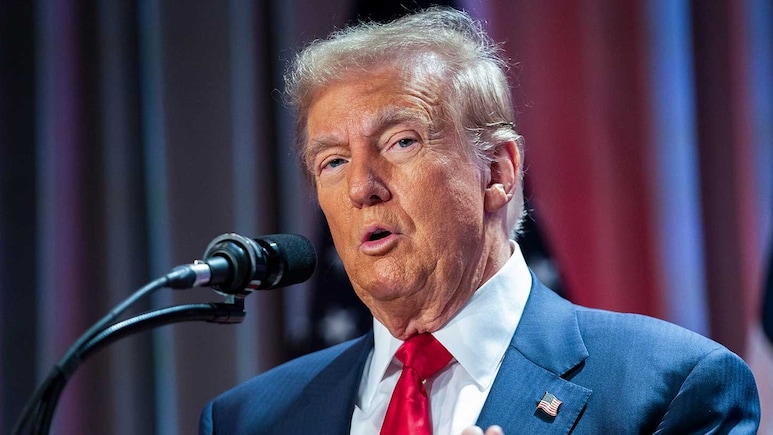
US President Donald Trump declared on Sunday that he has called upon around seven nations to dispatch warships in order to maintain the passage through the Strait of Hormuz. However, his requests have resulted in no formal agreements as oil prices continue to climb amid the ongoing conflict with Iran.
Trump chose not to disclose the names of the nations that significantly depend on Middle Eastern crude oil, with whom the administration is holding discussions to form a coalition aimed at securing the waterway where roughly one-fifth of the global oil trade is typically routed.
In a message on his Truth Social platform, Trump urged the UK, China, France, Japan, South Korea, and other nations to deploy ships to this waterway, known as the world's busiest shipping lane, which is currently being forcefully obstructed by Iran.
Also Read | Layoffs Are Rising In Tech, But These Skills Are Helping People Unlock Better Pay
Read Also: Trump Floats Xi Summit Delay If No Help On Hormuz, FT Says
UK's reply on trump
A comment from the UK Ministry of Defence indicated that it was engaged in talks with partners regarding “a range of options to ensure the security of shipping in the region”.
In an interview with BBC, energy secretary Ed Miliband mentioned that the UK had been coordinating with the US and other allies on methods to maintain the strait's accessibility and were contemplating the deployment of mine-sweeping drones. “Any options that can help to get the strait reopened are being looked at,” Miliband stated.
South Korea
South Korea, which relies significantly on energy transit via the strait, acknowledged Trump's remarks but intends to maintain close communication with the US and assess the situation prior to deciding how to assist in safeguarding the shipping corridor.
A report by guardian, “Our government is closely monitoring developments related to the Middle East situation,” said South Korea's foreign ministry in a statement, adding that they were “exploring various measures from multiple angles to protect our citizens and secure the safety of energy transport routes”.
Also Read: Trump Leaves Allies And Foes Guessing On Endgame For Iran
Germany
However, German Foreign Minister Johann Wadephul expressed his doubts about the possibility of expanding the Aspides naval operation to the Strait of Hormuz.
Wadephul remarked that the initiative aimed at assisting commercial vessels in navigating the Red Sea was "not effective and that is why I am very sceptical that extending Aspides to the Strait of Hormuz would provide greater security," He stated during an interview with Germany's ARD broadcaster.
Australia denies
Australia affirmed that it has not received any official requests to deploy naval vessels to the strait.
“We won't be sending a ship to the strait of Hormuz,” transport minister Catherine King told the national broadcaster. “We know how incredibly important that is but that's not something we've been asked or we're contributing to.”
The conservative Coalition opposition was also wary about Australia's participation.
“If [a request from the US] came, we'd have to very carefully consider it against our national interest and particularly whether we have the relevant naval vessels available that could safely do that mission,” defence shadow minister James Paterson said on Channel Nine's Today show, according to the guardian.
Essential Business Intelligence, Sharp Market Insights, Practical Personal Finance Advice, Daily Fuel, Gold and Silver Prices and Latest Stories — On NDTV Profit.