(Bloomberg) -- One of the fastest-evolving species ever studied may not be evolving fast enough to survive rising temperatures.
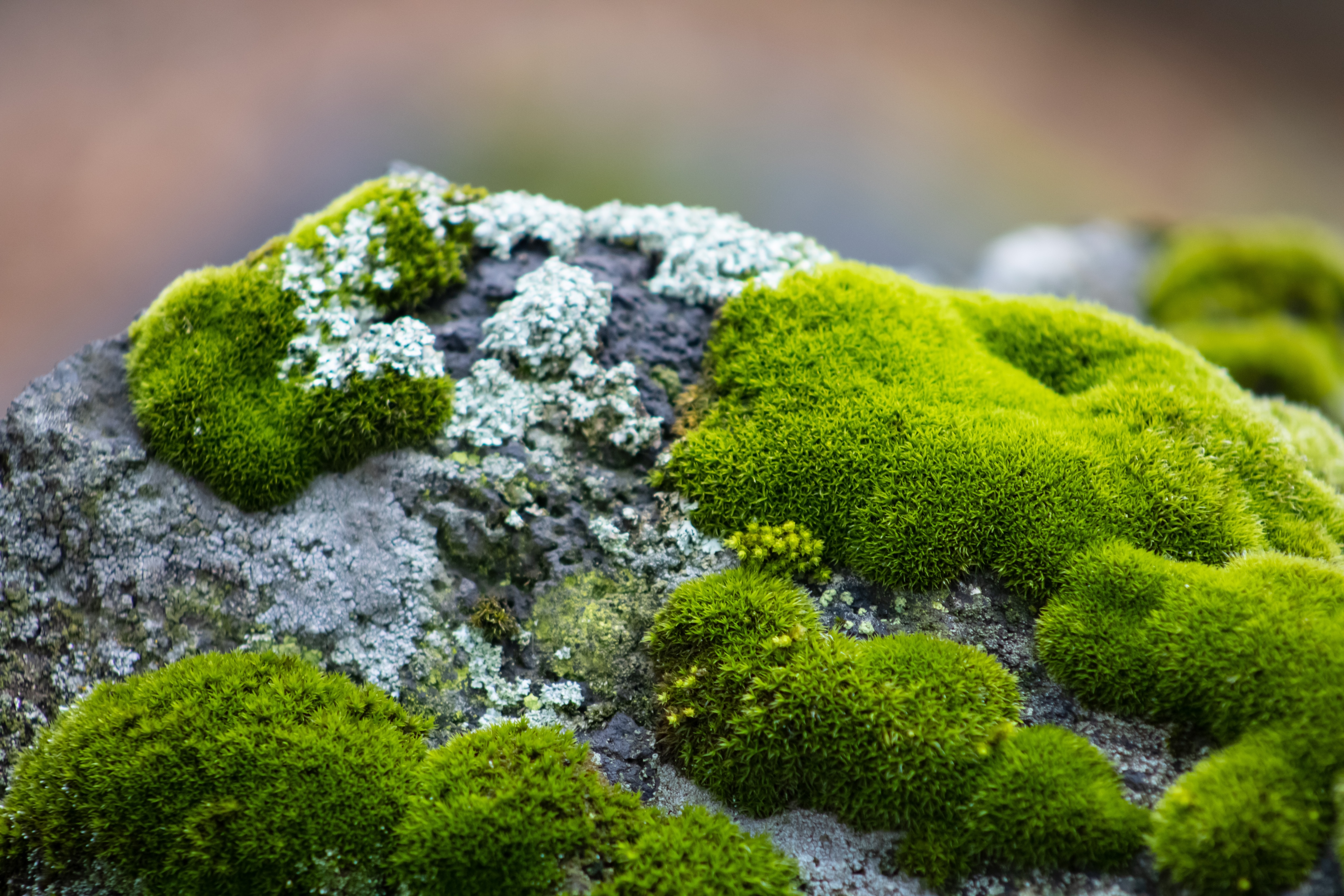
Takakia lepidozioides, a type of moss found mainly in the US, Japan and Tibet, has survived at least 165 million years and multiple catastrophic climate events, including the one that killed the dinosaurs. Now it's disappearing in the wild due to climate change, concludes the peer-reviewed study published Wednesday in the journal .
If average global temperatures increase 2C over the preindustrial era by 2100 — below the 2.7C of warming currently forecast by Climate Action Tracker — the habitat for Takakia lepidozioides will shrink by up to three quarters, the study found, to just 1,000 square kilometers (386 square miles). Greater warming would likely make the moss extinct in the wild.
“When we talk [about] evolution, the time scale [is] usually from thousands to millions [of] years. But global warming started in the last few hundred years,” says Hu Ruoyang, a plant biologist at Beijing's Capital Normal University and lead author of the study. That means even highly-adaptable species are struggling to keep up.
Takakia isn't a household name, but scientists say it was one of the first land plants on Earth, and remains vital to our understanding of evolution. The moss had already been around for 100 million years by the time the Himalayas rose up underneath it, altering its habitat dramatically and forcing rapid adaptation.
“Takakia is currently the genome with the highest number of fast-evolving genes,” says Ralf Reski, a plant biotechnologist at the University of Freiburg in Germany and co-author of the study. “It's very active on the genetic level.”
To execute the study, researchers completed 18 expeditions to Takakia lepidozioides habitats over the past decade, collected samples, maintained on-site monitoring and reviewed satellite data. They found that the climate in which the moss grows has been steadily warming, and the glaciers on the Tibetan Plateau steadily melting.
The researchers also observed that the moss was experiencing more ultraviolet radiation than ever, as a higher concentration of atmospheric greenhouse gases weakens the ozone layer. The level of ultraviolet radiation Takakia lepidozioides is now exposed to would kill other plants, the study's authors found in lab tests, including Physcomitrium patens (another kind of moss) and Arabidopsis thaliana (a weed in the mustard family).
Takakia is far from alone in its vulnerability to rising temperatures: Nearly 11,000 species are at a greater risk of extinction because of climate change, according to a 2017 study in Science, and half of the world's species are already on the move as climate reshapes their habitats. (Some creatures, though, including jellyfish, opossums and armadillos, are thriving in a warmer world.) The researchers say Takakia didn't show any signs of migration during their decade of observation.
Scientists are hoping to prevent the species' extinction in the wild by cultivating Takakia lepidozioides in a laboratory setting and replanting it in the wild. But even lab-grown moss will run up against a shrinking natural habitat.“People have a responsibility to play a more active role in biodiversity conservation and restoration,” Hu says. “We need to not only focus on those charming animals such as the panda, polar bear, and the white dolphin, but also pay close attention to these rare and little species.”
More stories like this are available on bloomberg.com
©2023 Bloomberg L.P.
Essential Business Intelligence, Sharp Market Insights, Practical Personal Finance Advice, Daily Fuel, Gold and Silver Prices and Latest Stories — On NDTV Profit.