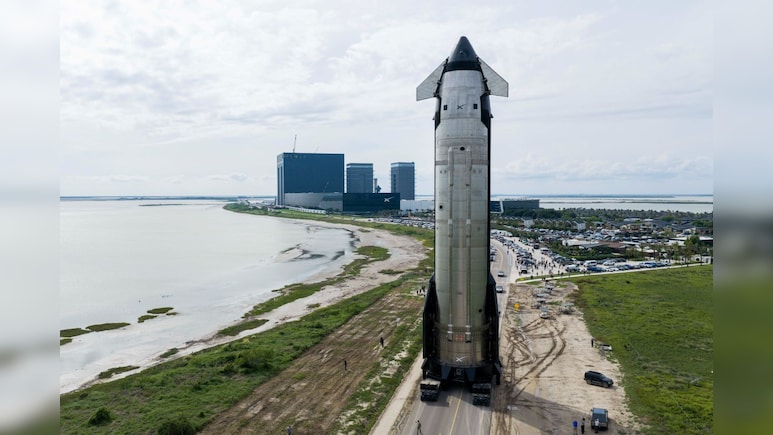
Elon Musk's SpaceX has achieved another milestone in its journey towards making space travel affordable and reusable. On November 14, 2026, the SpaceX's Starship spacecraft returned to its launch site in Texas after spending over 22 hours in orbit and was successfully captured by the mechanical arms of its launch tower.
This is the first successful recovery of a Starship upper stage returning from orbit and the feat brings SpaceX closer to its goal of developing a rocket system in which both the booster and spacecraft can be recovered, refurbished and made ready for relaunch.
While SpaceX has achieved several historic milestones since it was founded in 2002 -- from launching the first privately developed liquid-fuel rocket into orbit to transporting astronauts to the International Space Station -- Let's take a look at 10 major firsts in the company's epic journey so far and watch out for what Elon Musk's company plans to accomplish next.
Also Read | Layoffs Are Rising In Tech, But These Skills Are Helping People Unlock Better Pay
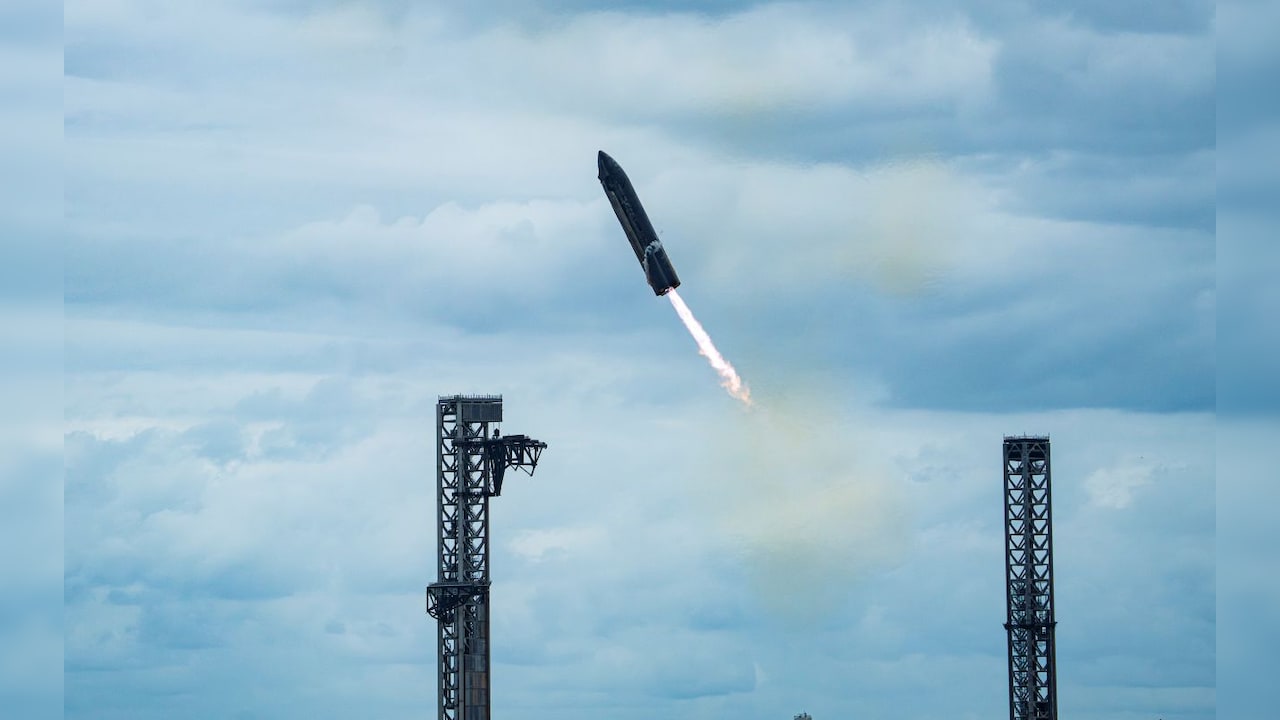
SpaceX And It's historic firsts that changed Space Travel
Photo Credit: SpaceX
No 1. First Privately Developed Liquid-Fuel Rocket to Reach Orbit | Date: September 28, 2008 | SpaceX made history when its Falcon 1 rocket successfully reached Earth's orbit after three unsuccessful launch attempts. The achievement highlighted that a privately developed liquid-fuel rocket could reach orbit, a capability which was earlier only displayed by government-backed space programmes.
No 2. First Private Company to Orbit and Recover a Spacecraft | Date: December 8, 2010 | SpaceX became the first commercial company to launch a spacecraft into orbit and successfully recover it. Its Dragon capsule completed an orbital test flight aboard Falcon 9 before safely returning to Earth and splashing down in the Pacific Ocean. The mission demonstrated a privately developed spacecraft's capabilities of surviving re-entry and recovery for future operations.
No 3. First Commercial Spacecraft to Reach the International Space Station | Date: May 25, 2012 | SpaceX's Dragon spacecraft became the first commercially developed spacecraft to reach the International Space Station. The spacecraft was launched on May 22, 2012, and was successful in berthing with ISS three days later.
ALSO READ | 'Holy Grail': Elon Musk's SpaceX Pulls Off Historic First-Ever Spaceship 'Catch' | Watch Video
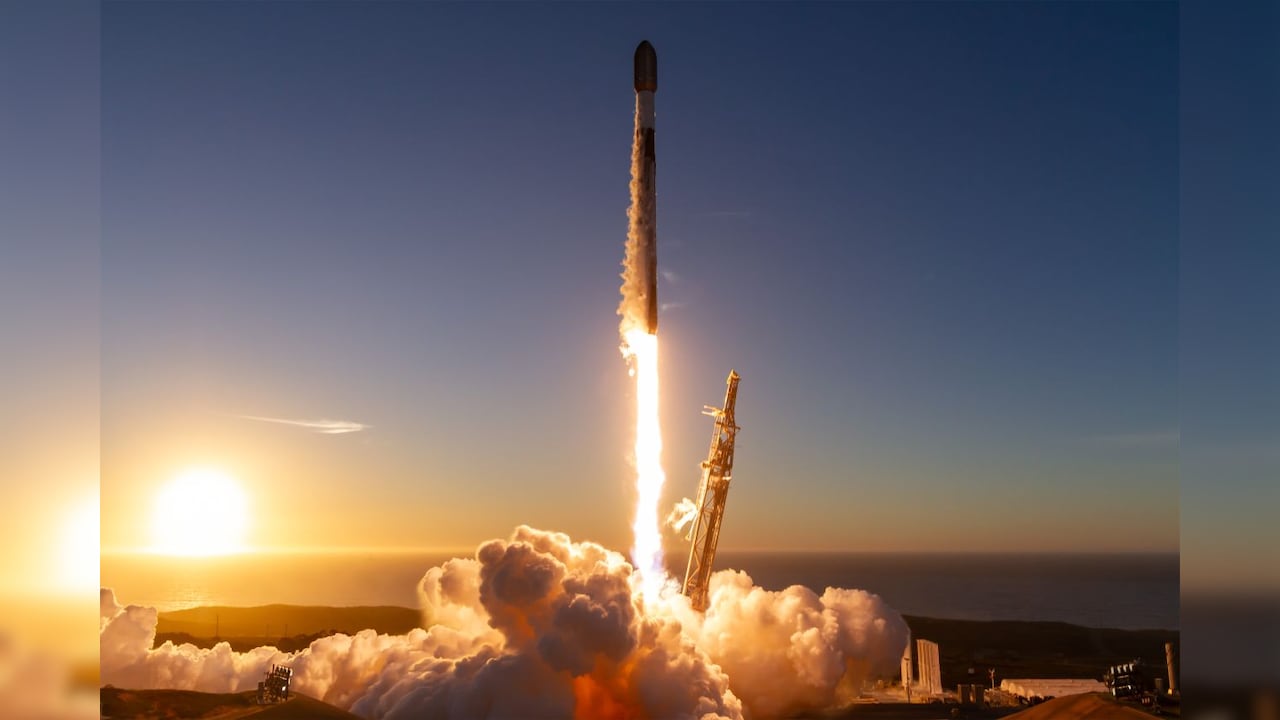
Photo Credit: SpaceX
No 4. First Landing of an Orbital-Class Rocket Booster on Land | Date: December 21, 2015 | SpaceX changed the economics of rocket launches when a Falcon 9 first-stage booster successfully landed vertically at Cape Canaveral, Florida. Traditionally, rocket boosters were discarded after launching a spacecraft into orbit.
No 5. First Successful Falcon 9 Booster Landing on a Drone Ship | Date: April 8, 2016 | SpaceX achieved another recovery milestone when a Falcon 9 booster landed on an autonomous drone ship in the Atlantic Ocean. The floating platform, named Of Course I Still Love You, allowed rockets to land at sea when returning to the launch site was impractical.
No 6. First Reflight of an Orbital-Class Rocket Booster | Date: March 30, 2017 | SpaceX demonstrated the practical value of reusable rockets when it launched a Falcon 9 booster that had previously completed an orbital mission. The booster carried the SES-10 communications satellite into space before returning for another successful landing.
No 7. First Falcon Heavy Launch | Date: February 6, 2018 | SpaceX successfully launched Falcon Heavy for the first time, demonstrating one of the world's most powerful operational rockets. The mission carried Elon Musk's red Tesla Roadster as a demonstration payload and sent it into an orbit around the Sun. Two of the rocket's three first-stage boosters returned to Earth and landed successfully.
ALSO READ | SpaceX Falcon 9 Launches SDA's Fourth Tranche 1 Mission
No 8. First Commercial Spacecraft to Carry NASA Astronauts to Orbit | Date: May 30, 2020 | SpaceX entered a new era of human spaceflight when its Crew Dragon spacecraft launched NASA astronauts Robert Behnken and Douglas Hurley to the International Space Station. The Demo-2 mission was the first time astronauts travelled into orbit aboard a commercially built and operated spacecraft.
ALSO READ | SpaceX Says It Can Reach $1 Trillion In Revenue By 2030. Here's What's Driving It
No 9. First all-civilian orbital Spaceflight | Date: September 15, 2021 | SpaceX launched the Inspiration4 mission, carrying four private citizens into Earth's orbit without any professional government astronauts on board. The spacecraft remained in orbit for approximately three days before safely returning to Earth.
No 10. First Commercial Spacewalk | Date: September 12, 2024 | SpaceX reached another milestone during the Polaris Dawn mission, which carried four private astronauts into Earth orbit. Mission commander Jared Isaacman and SpaceX engineer Sarah Gillis performed the first commercial spacewalk, using newly-developed SpaceX spacesuits.
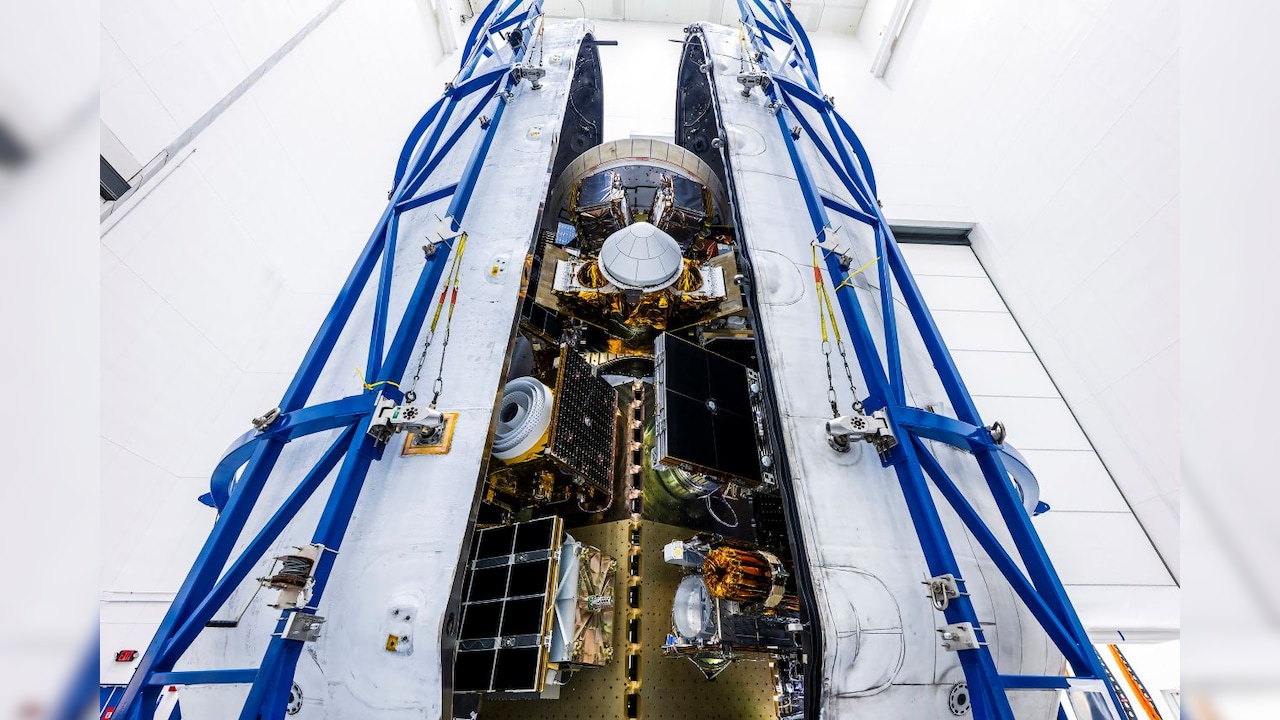
Photo Credit: SpaceX
No 11. First Super Heavy Booster Caught by Launch Tower | Date: October 13, 2024 | During Starship's fifth test flight, SpaceX successfully recovered its enormous Super Heavy booster using mechanical arms attached to its launch tower.
The system, nicknamed Mechazilla, caught the booster as it descended vertically towards the launch site.
No 12. First Starship Upper Stage Recovered After an Orbital Mission | Date: November 14, 2026 | SpaceX completed its latest breakthrough during Starship Flight 15, when the spacecraft returned to its Texas launch site after completing 14 orbits around Earth. After spending approximately 22.5 hours in space, Starship re-entered Earth's atmosphere, slowed its descent using its engines and returned to the launch tower. Mechanical arms successfully caught the spacecraft, demonstrating that a Starship upper stage could be recovered after an orbital flight.
What Is SpaceX Planning Next?
Following Starship's successful recovery, SpaceX is expected to focus on improving the spacecraft's reliability, increasing launch frequency and demonstrating the technologies required for missions to the Moon and Mars.
One of the company's immediate challenges is achieving complete reusability. While Falcon 9 boosters are already regularly reused, Starship is intended to take the concept further by recovering both of its super heavy booster and upper-stage spacecraft.
SpaceX also plans to launch tanker versions of Starship that can transfer propellant to an orbital storage depot. A lunar Starship would then use that fuel to continue its journey beyond the lower Earth orbit.
The technology is important for NASA's Artemis programme, under which SpaceX is developing a modified version of Starship to transport astronauts to the moon's surface. NASA is currently targeting crewed lunar landing missions beginning in 2028, although the programme remains dependent on successful testing.
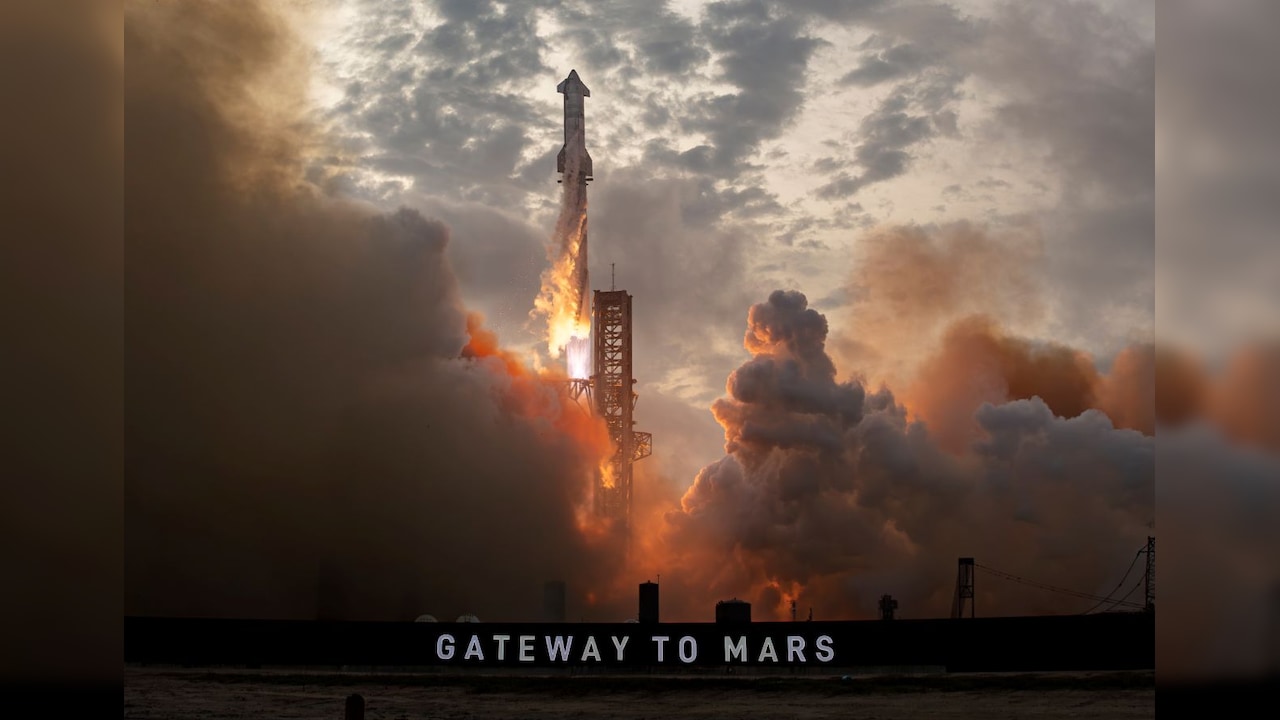
Photo Credit: SpaceX
Beyond the Moon... Elon Musk Eventually Plans Humans To Travel in Mars
However, crewed Mars missions remain a long-term ambition rather than an established operational schedule. Significant challenges involve the spacecraft's reliability, life-support systems, radiation exposure, propellant production and safe landing capabilities .
For now, the successful recovery of Starship from orbit is an important achievement in SpaceX's pursuit of reusable space transportation. The next major test will be whether the company can recover, refurbish and relaunch both stages of the world's most powerful rocket.
Essential Business Intelligence, Sharp Market Insights, Practical Personal Finance Advice, Daily Fuel, Gold and Silver Prices and Latest Stories — On NDTV Profit.