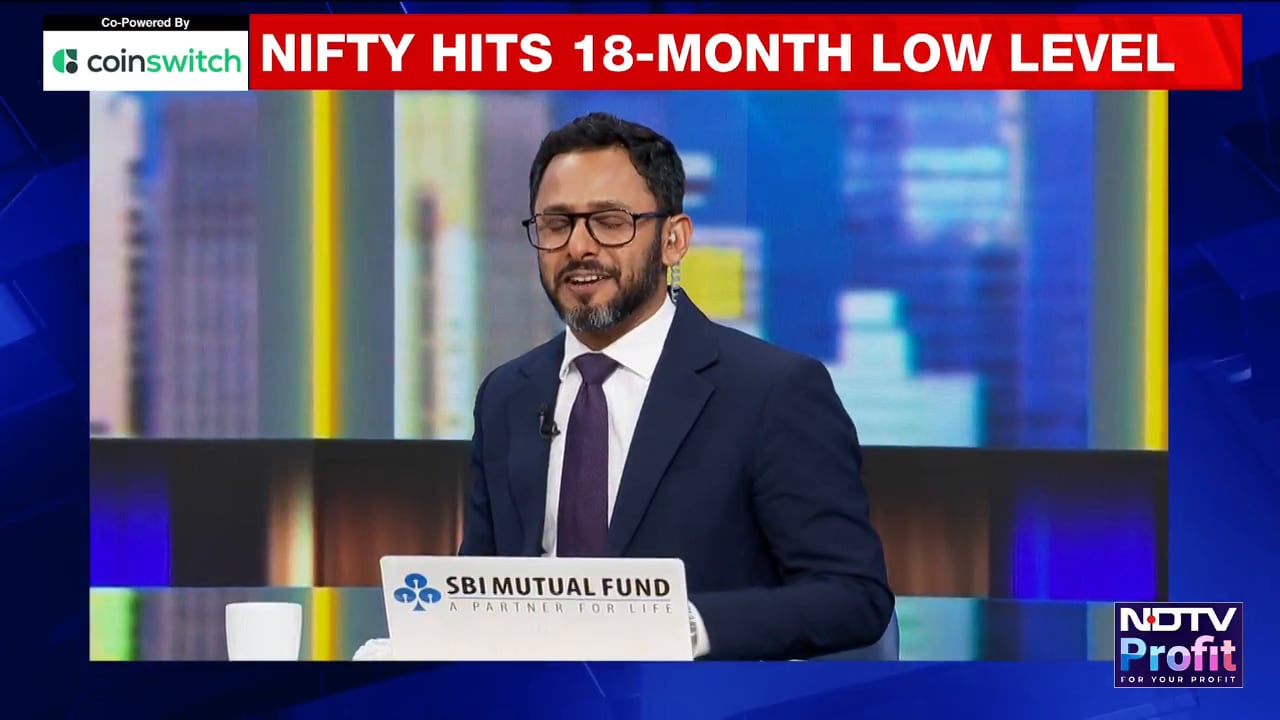
The global economy is heading toward a phase of higher inflation and slower growth as the ongoing Middle East conflict disrupts energy supplies, with poorer nations expected to bear the brunt of the fallout, the International Monetary Fund chief said.
IMF Managing Director Kristalina Georgieva warned that “all roads now lead to higher prices and slower growth,” as the war-linked shock ripples across oil, gas, and supply chains, news agency Reuters reported. The crisis is set to dominate discussions at next week's IMF-World Bank Spring Meetings in Washington.
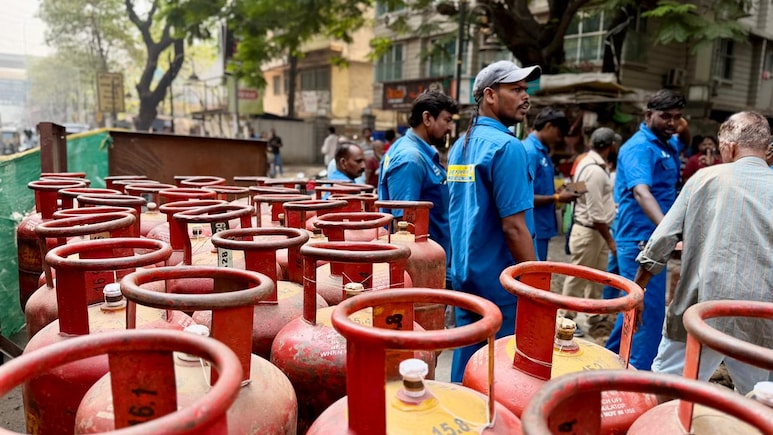
The conflict has triggered, what Georgieva described, as the worst-ever disruption in global energy supply, with Iran's effective closure of the strategically critical Strait of Hormuz, through which nearly one-fifth of the world's oil flows, slashing global oil supply by 13%. Brent crude has surged close to $110 per barrel, intensifying inflationary pressures worldwide.
Also Read | Layoffs Are Rising In Tech, But These Skills Are Helping People Unlock Better Pay
Also Read: North American Oil Is In Demand As World Grasps For Supplies
Even if hostilities end quickly, the IMF will cut its global growth projections and raise inflation forecasts in its upcoming World Economic Outlook. Prior to the conflict, the Fund had projected modest upgrades, estimating global growth at 3.3% in 2026 and 3.2% in 2027.
“We are in a world of elevated uncertainty,” Georgieva said, pointing to overlapping risks from geopolitics, climate shocks, and tightening financial conditions.
“Even if the war is to stop today, there would be a lingering negative impact to the rest of the world.”
Poor Nations Face The Sharpest Impact
The IMF chief underscored that energy-importing and low-income countries are most vulnerable, lacking the fiscal capacity to shield populations from rising fuel and food prices.
“Poor, vulnerable countries with no energy reserves will be hardest hit,” she said, warning of increased risks of social unrest.
With nearly 85% of IMF member countries being energy importers, several have already approached the Fund for financial support. Georgieva, however, cautioned against broad energy subsidies, noting they could further fuel inflation.
Also Read: How CIA Tricked Iran To Rescue Downed F-15 Crew In High-Stakes Mission
Even energy exporters are not immune. Countries like Qatar are facing setbacks, with damage to production facilities expected to take up to five years to repair. According to the International Energy Agency, at least 72 energy facilities have been hit, a third of them significantly.
Food Security Risks Loom
Beyond energy, the IMF is increasingly concerned about food security as disruptions to fertilizer supplies could trigger a broader crisis. The Fund is coordinating with the World Food Programme and the Food and Agriculture Organization to monitor the situation.
While a full-blown food crisis has not yet materialised, warnings are mounting. The World Food Programme has already flagged the risk of acute hunger for millions if the conflict drags on.
Essential Business Intelligence, Sharp Market Insights, Practical Personal Finance Advice, Daily Fuel, Gold and Silver Prices and Latest Stories — On NDTV Profit.