The ongoing conflict in the Middle East has rattled the global economy, resulting in disruption in energy supplies. The region is critical, with a significant share of the world's oil and gas resources.
A key concern remains over the closure of the Hormuz Strait, a key connectivity route for major global shipments. The disruption in this route has severely impacted fuel supplies, as per reports.
Amid this uncertainty over fuel availability, crude oil prices have remained volatile, surging upto $119 per barrel since the war began, adding pressure on import-dependent economies.
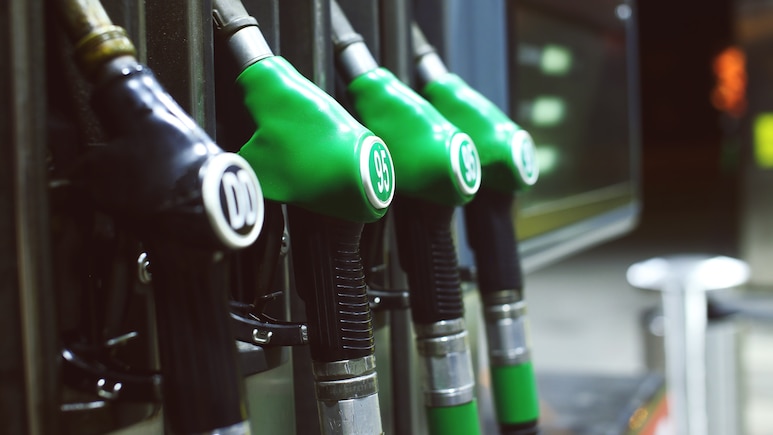
To deal with fuel concerns, the affected countries have resorted to several measures, such as managing consumption, diversifying supply sources, and raising fuel prices.
By the second week of March, at least 85 countries raised petrol prices following the US-Iran war, according to data from Global Petrol Prices that analysed rates of 150 countries.
Here's a look at some countries that have hiked fuel prices following the Middle East crisis -
Myanmar recorded the highest petrol price hike at 55.4%, followed by the Philippines at 54.2% and Cambodia with 52.8%, according to data analysed by Global Petrol Prices since February 23.
India's neighbours also witnessed an increase in petrol prices, including Pakistan, where it costs $1.15, up 24.4%, around $1.45 in Sri Lanka (33.8%), and $0.98 in Afghanistan (7%).
Some notable countries where petrol prices have been hiked are Canada, with 25% increase, 23.2% in China, 19.6% in Japan, and 28.6% in Lebanon.
ALSO READ: Sri Lanka Hikes Fuel Prices By 25% Amid Middle East Conflict
Why do fuel prices differ across countries?
Countries around the globe have access to crude oil and refined products at roughly the same global prices. Hence, the price difference comes into play primarily through two components, such as, the cost of distributing the final product and taxes.
Among these two factors, distribution cost is a relatively small component of the price in most countries. Therefore, taxes, especially excise duty, play a major role in determining fuel prices in each country, resulting in major price differences across the globe.
Essential Business Intelligence, Sharp Market Insights, Practical Personal Finance Advice, Daily Fuel, Gold and Silver Prices and Latest Stories — On NDTV Profit.