A renewed regional conflict involving Iran, the United States and Israel could prove disastrous for Gulf oil infrastructure and key maritime trade routes, with analysts warning that any collapse of the fragile ceasefire may trigger a wider economic and security crisis across the region, according to a report by The New York Times.
The report said Iran now believes any future war would likely be “short but high intensity,” marking a major shift from its earlier expectation of a prolonged conflict.
ALSO READ | Iran warns Trump Against Fresh Aggression, Warns 'Hormuz Will Never Return To Previous State'
Also Read | Layoffs Are Rising In Tech, But These Skills Are Helping People Unlock Better Pay
Hamidreza Azizi, an Iran security expert at the German Institute for International and Security Affairs, told the NYT that Tehran had previously rationed its missile stockpiles anticipating a months-long war.
However, Iranian planners now expect swift escalation involving concentrated attacks on strategic assets.
Analysts cited by the NYT said Iran could dramatically increase the scale of missile strikes in a future conflict, potentially launching “dozens or even hundreds” of missiles daily to overwhelm regional defence systems and raise costs for the US and its allies.
The report added that Gulf monarchies, especially Saudi Arabia and the United Arab Emirates, remain vulnerable because of their vast oil infrastructure and close security ties with Washington.
Sections of Iran's security establishment reportedly view both countries as indirectly supporting US military operations in the region.
Iranian rhetoric toward the UAE has also intensified. “We must certainly return the Emirates to the era of riding camels — and we can do this,” Mehdi Kharatian, an analyst close to Iran's security establishment, said in a podcast cited by the NYT. “If necessary, we will occupy Abu Dhabi,” he added.
ALSO READ | San Diego Mosque Shooting: Three Dead, Including Two Teen Gunmen, In Suspected Hate Crime
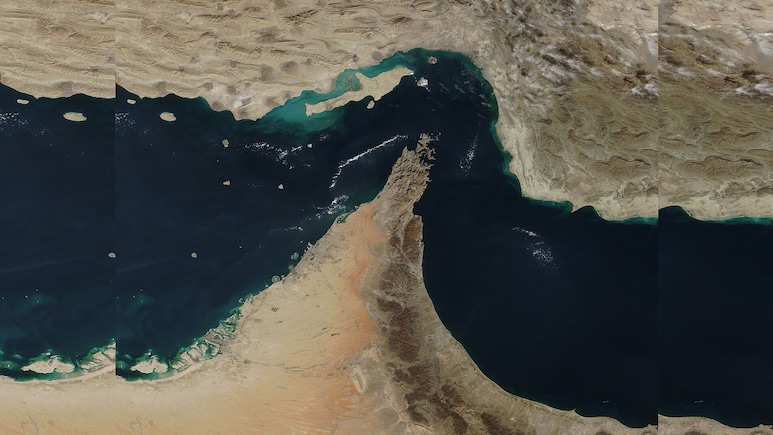
Beyond missile strikes, Tehran could also target global shipping chokepoints, including the Strait of Hormuz and Bab-al-Mandeb, through which a significant share of global oil and trade flows.
Analysts warned that any disruption could sharply push up oil prices, destabilise shipping routes and deepen global inflationary pressures.
Essential Business Intelligence, Sharp Market Insights, Practical Personal Finance Advice, Daily Fuel, Gold and Silver Prices and Latest Stories — On NDTV Profit.