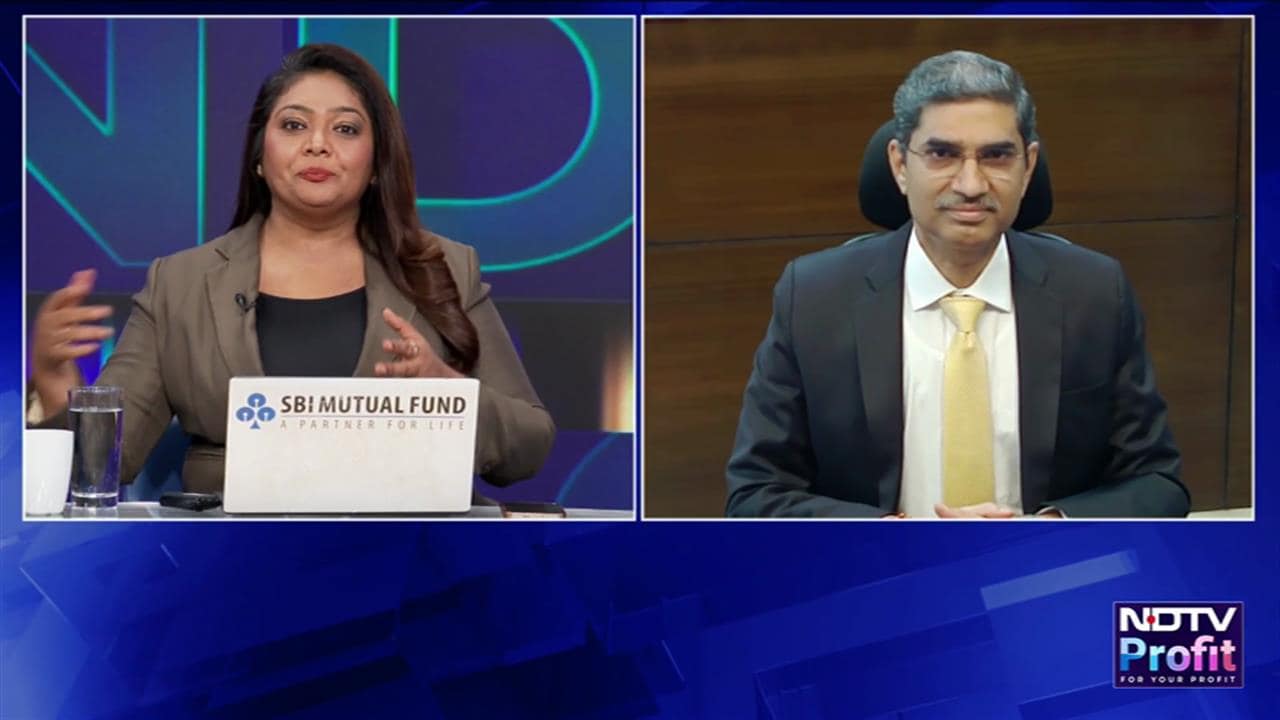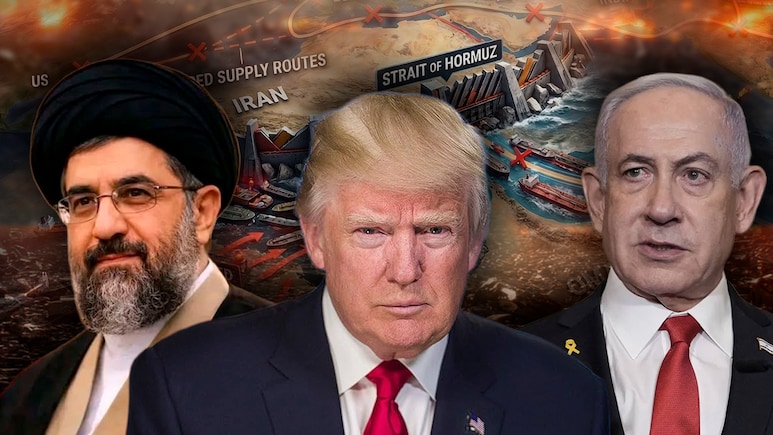
The Iran-US-Israel conflict has reached a turning point, with the United States able to step back while Israel faces continued risk, Prof. (Dr.) Khinvraj Jangid told NDTV Profit.
He said the conflict shows both the limits and the effectiveness of military power, with a key outcome being efforts to prevent Iran from becoming a nuclear state. Prof. Jangid said nuclearisation remains a concern for several countries, but Iran's case differs due to its stance towards the West. He said Iran's position goes beyond regional concerns and reflects a wider ideological conflict.
"Now nuclearisation is certainly a legit issue for many nation states. India got nuclear much against the American wishes and sanctions. But Iran got a much bigger fight against America," he said.
Also Read | Layoffs Are Rising In Tech, But These Skills Are Helping People Unlock Better Pay
"Iran also has declared America as its arch enemy... it is an ideological war that Iran has been engaged with America," he added. "America cannot... have Iran a nuclear power when Iran doesn't let go the ideological fight against the west and particularly America and Israel."
ALSO READ: Trump's Big Hint On Iran War: 'Not Going To Be There Much Longer, Hormuz Will Reopen Automatically'
US Stance
Prof. Jangid pointed to a shift in approach by Donald Trump, noting restraint in recent days.
"Usually he's not a person who speaks the language of the restraint," he said, adding that Trump's recent actions suggest he may step away from the conflict.
He said Trump has indicated he could "make a deal or walk out of this war without even assuring the opening of the Hormuz."
Prof. Jangid described this as a strategic calculation, with the US less exposed to energy risks.
"He's being little more narrow in his imagination... he doesn't think closing of the Hormuz will hurt American energy market as much as it is hurting the Asian economies," he said. "America is very energy self-reliant."
He added that limited global support is also shaping the US position.
"He doesn't even have the European powers joining him. Yesterday France denied use of the airspace and Trump is very pissed," Prof. Jangid said. He added that the US may signal that "the rest of the world... will have to deal with Iran on their own," and may even "end this war without making a deal."
Israel Risk
Prof. Jangid said Israel's position remains uncertain despite tactical gains. "It is a success for Israel to carry such a strike on Iran," he said, but added that the situation is "very precarious."
He said renewed involvement by Hezbollah changes the outlook. "Once Donald Trump declares this war is over, Israel is going to live much more violently for coming months," he said.
Referring to Benjamin Netanyahu, Prof. Jangid said, "He knows that Donald Trump will not carry this war further."
Political Outcome
Prof. Jangid said Iran has gained politically by sustaining its position. "We understand that Iran has won this war politically in sustaining the regime as well as showing no backing off," he said, adding that the situation places Trump in a "catch 22 situation."
Watch full interview here:
Essential Business Intelligence, Sharp Market Insights, Practical Personal Finance Advice, Daily Fuel, Gold and Silver Prices and Latest Stories — On NDTV Profit.