- India plans to send vessels through the Strait of Hormuz to load energy cargoes from the Middle East
- Shipping Corp. of India awaits Navy approval to resume Persian Gulf operations amid Iran conflict
- India's Navy has increased warships and aerial surveillance to escort ships through the strait
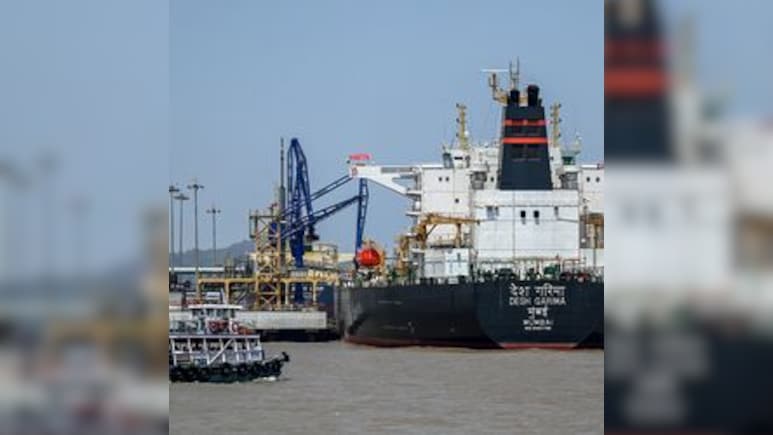
India is preparing to send vessels through the Strait of Hormuz to load up energy cargoes from suppliers in the Middle East, according to people familiar with the matter, the first time since the Iran conflict began that the country will do so.
The plans are finalized and ships will start attempting to cross the strait once the government gives its final approval, the people said, asking not to be identified because the discussions are private. They didn't give details on the timing of the shipments or the volumes involved.
State-owned Shipping Corp. of India is ready to go back to the Persian Gulf once it has approval from the Indian Navy and it has business from oil refiners, one of the people said.
Also Read | Layoffs Are Rising In Tech, But These Skills Are Helping People Unlock Better Pay
Shipping through Hormuz, which handles roughly a fifth of global oil flows, has been virtually halted since the Iran war began at the end of February, causing major disruptions and price shocks for countries like India, the world's third-largest crude importer.
ALSO READ: NATO Mulls Hormuz Deployment To Protect Ships If US-Iran Deadlock Extends
It's unclear whether Iran or the US, which are separately blockading the strait and surrounding waters amid the war, have given India a green light to send ships through the waterway. Their agreement will be critical for the plan to work.
India's External Affairs Minister Subrahmanyam Jaishankar met his Iranian counterpart Abbas Araghchi in New Delhi on the sidelines of a BRICS summit last week.
India wants to continue importing energy from its traditional Middle East oil producers because supplies from alternate sources would take a longer time to reach the country and be costlier, people familiar with the matter said.
India's Navy has doubled the number of warships in the region and increased aerial surveillance to monitor the area, the people said. Warships are escorting Indian-flagged ships and vessels headed to India once they safely exit the strait.
India's Ministry of Ports, Shipping and Waterways and the Indian Navy didn't respond to emails seeking further information.
While non-Iranian oil has dribbled out through Hormuz since the war began, the precise conditions allowing those transits have been patchy and unclear. Flows remain at a tiny fraction of their pre-conflict levels.
ALSO READ: Oil Infra Under Radar, Hormuz Choked: Why Gulf Monarchies Are Jittery Amid Iran War 2.0 Fears
India's government recently launched a marine insurance initiative to provide uninterrupted coverage for Indian ships and cargoes operating in high-risk waters, including the Strait of Hormuz.
Although India has stepped up purchases of crude from Russia and other suppliers, it remains heavily reliant on purchases from the Middle East. Russian oil carries the risk of US sanctions as well, although the Trump administration recently issued a new waiver allowing the sale of Russian crude oil and petroleum products already loaded on tankers.
The energy crisis has put a strain on India's economy. Prime Minister Narendra Modi has urged citizens to save fuel and foreign exchange amid surging oil bills and a plunge in the rupee to a record low.
(This story has not been edited by NDTV staff and is auto-generated from a syndicated feed.)
Essential Business Intelligence, Sharp Market Insights, Practical Personal Finance Advice, Daily Fuel, Gold and Silver Prices and Latest Stories — On NDTV Profit.