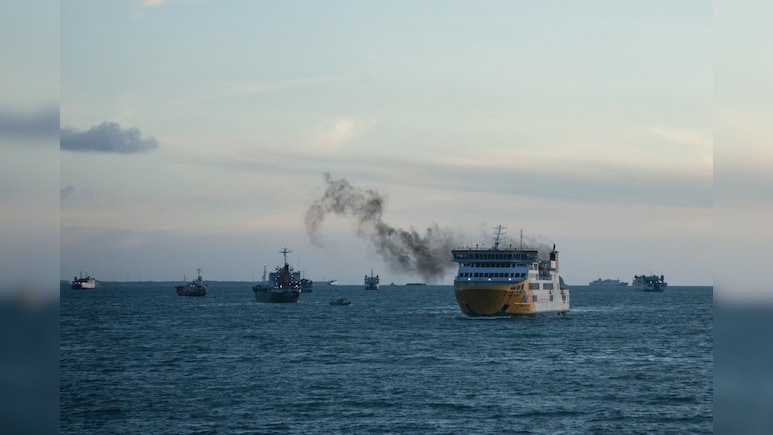
The North Atlantic Treaty Organization (NATO) is reportedly weighing a potential naval deployment to help ensure safe passage for commercial vessels through the Strait of Hormuz if the US-Iran standoff continues to block the key shipping route into early July, reported Bloomberg quoting a senior alliance official.
The discussions come amid growing concern within NATO capitals over the economic fallout from prolonged disruption in one of the world's most critical energy corridors. The Strait of Hormuz, which handles roughly a fifth of global oil and liquefied natural gas flows, has effectively become a flashpoint following escalating conflict between the United States and Israel against Iran, which initially restricted passage through the waterway after hostilities intensified in late February.
According to officials quoted by Bloomberg, several NATO members support the idea of assisting maritime traffic through the strait, but the proposal has not yet secured unanimous backing, which is required for formal alliance action. A diplomat from a NATO member country told Bloomberg the plan remains under discussion ahead of a leaders' meeting scheduled in Ankara on July 7–8, where the issue is expected to be further assessed.
Also Read | Layoffs Are Rising In Tech, But These Skills Are Helping People Unlock Better Pay
If pursued, the move would mark a notable shift in NATO's posture toward the ongoing crisis, which has so far been defined by caution and restraint. Alliance members have previously maintained that any operational involvement in securing the strait would only be considered once active fighting ends and a broader international coalition, potentially including non-NATO states, is formed to stabilise maritime security.
However, the economic impact of the closure is increasingly weighing on policy discussions. Energy prices have surged, supply chains have been disrupted, and global growth forecasts have been revised lower as shipping routes remain constrained and insurance costs for tankers operating in the region have spiked.
The current tensions trace back to Iran's move to restrict passage through the Strait of Hormuz following US and Israeli military strikes earlier this year. The development has intensified friction between Washington and its European allies, with the US pushing NATO partners to take a more active role in reopening the corridor, a demand that has so far faced resistance from several member states.
US President Donald Trump has repeatedly criticised NATO's reluctance to act more decisively, while Washington's recent decision to withdraw 5,000 troops from Germany has further underscored growing transatlantic strains linked to the broader geopolitical dispute.
Essential Business Intelligence, Sharp Market Insights, Practical Personal Finance Advice, Daily Fuel, Gold and Silver Prices and Latest Stories — On NDTV Profit.