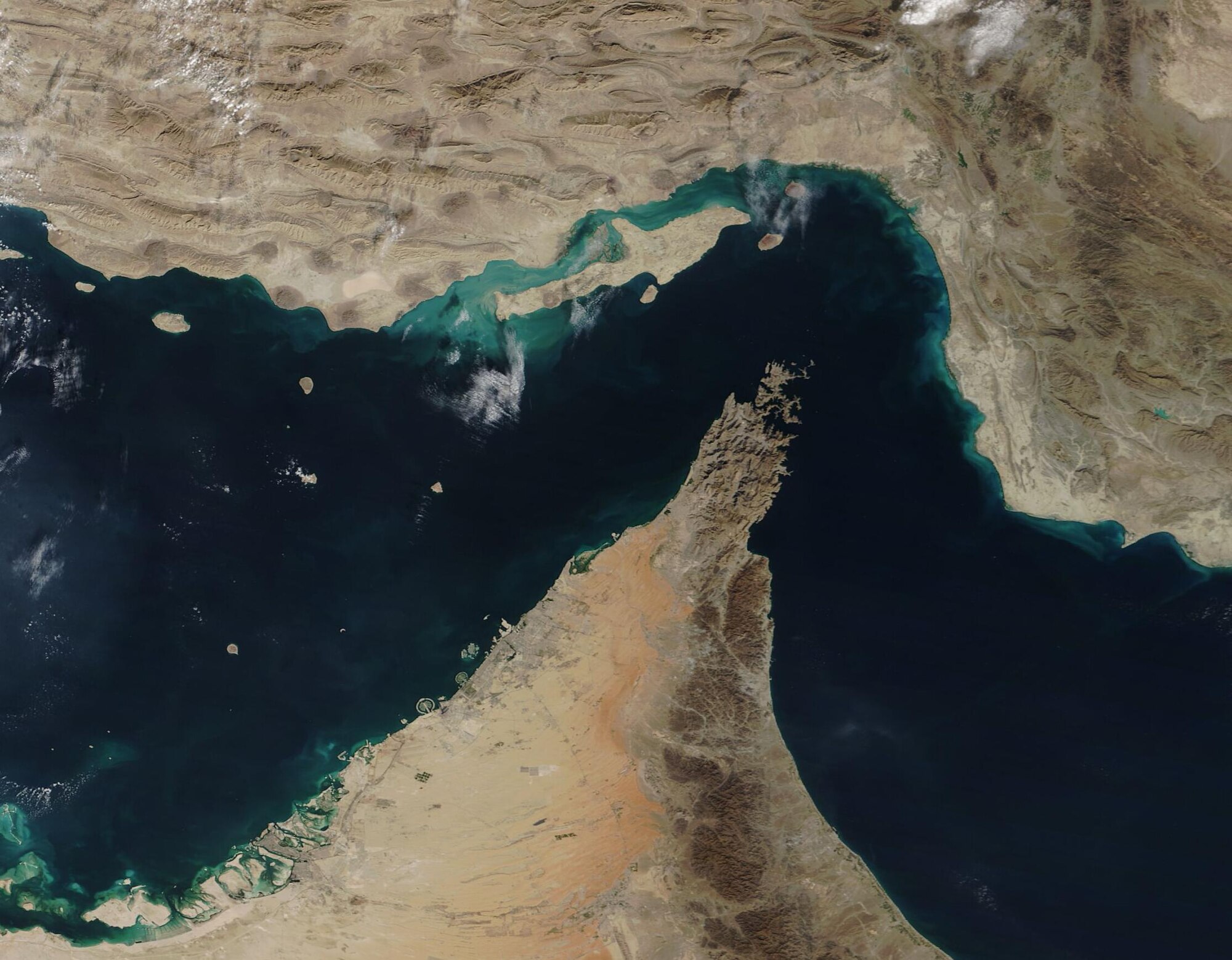
Iran appears to have established a de facto “safe passage” mechanism through the Strait of Hormuz, with at least one tanker operator reportedly paying around $2 million to transit the strategically vital chokepoint, according to a report by Lloyd's List.
Citing sources with direct knowledge, the report said several vessels have already navigated the route after undergoing vetting by Iranian authorities, while governments including Pakistan, Iraq, Malaysia and China are in talks with Tehran over transit arrangements.
The system, overseen by elements within the Islamic Revolutionary Guard Corps, involves a nascent approval process for vessels seeking “safe” transit. Ships are required to share detailed information about ownership and cargo before receiving clearance, often via intermediaries linked to Iran.
Also Read | Layoffs Are Rising In Tech, But These Skills Are Helping People Unlock Better Pay
Also Read: IEA Recommends Car Pooling, Speed Limits, Less Air Travel And Remote Work To Ease Oil Shock
At least nine vessels have reportedly used the route so far, which diverts traffic through Iranian territorial waters near Larak Island, an area used by the IRGC Navy for monitoring and verification. However, Lloyd's List said it could not confirm whether payments were made in all cases, with only one instance of a $2 million fee currently indicated.
“There are efforts underway… to receive confirmation of safe passage through the Straits of Hormuz,” said Dimitris Maniatis, CEO of maritime security consultancy Marisks. He added that approvals are currently being handled on a case-by-case basis through diplomatic channels.
The initiative follows remarks by Iranian Foreign Minister Seyyed Abbas Araghchi, who said Tehran was “open” to discussions with countries seeking secure transit for vessels not linked to the US or Israel.
Despite this, shipping activity remains limited. Data from Lloyd's List Intelligence shows only 15 transits between March 15–17, with nearly 90% linked to Iranian trade or ownership. Analysts caution that Western shipowners are unlikely to risk routing vessels through Iranian waters.
Also Read: Europe To Offer Help In Strait Of Hormuz Only After Ceasefire Amid Oil Route Crisis
Security consultancy Control Risks warned the move could provoke a response from the US. “Western-affiliated ship owners… are very unlikely to send their vessels into Iranian territorial waters voluntarily,” it said, adding that US forces may target assets linked to the scheme.
Iran, however, has rejected accusations of restricting navigation. In a letter to the International Maritime Organization, Tehran said such claims were “misleading” and stressed that maritime security must be upheld without “threats or coercion.”
With tensions high and attacks on regional shipping rising, the corridor underscores a fragile and evolving security dynamic in one of the world's most critical oil transit routes.
Essential Business Intelligence, Sharp Market Insights, Practical Personal Finance Advice, Daily Fuel, Gold and Silver Prices and Latest Stories — On NDTV Profit.