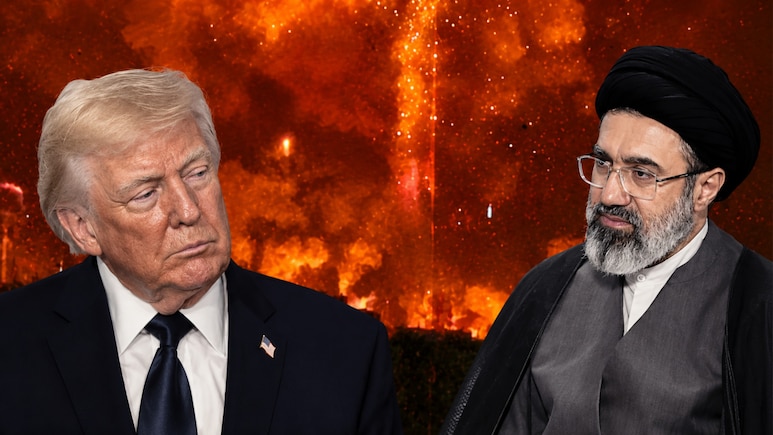
Iran has emerged from six months of war with the US more confident in its military capabilities and appears prepared to prolong the conflict, according to recent US intelligence assessments cited by The New York Times.
The assessments suggest Tehran now has a clearer understanding of its military strengths and the limits of US power, making a comprehensive deal to end the war harder to achieve.
Fighting has intensified after a period of relative calm. Over the past week, Iran has targeted ships in the Strait of Hormuz and US troops in the region, while American forces have struck targets inside Iran, the report said. US officials believe Iran's hard-line leadership could be weighing a broader escalation.
ALSO READ: Trump Presses Fed for Rate Cut, Citing Strong August Job Growth Report
Hormuz Becomes Key Leverage
The Strait of Hormuz has emerged as one of Tehran's biggest bargaining chips. The waterway carried roughly one-fifth of the world's oil before the war.
US officials cited by The New York Times believe Iran increasingly understands the economic and political leverage it gains from disrupting the strait.
Tehran also retains missiles and drones despite months of attacks. Its leadership is seen as more united, while internal opposition has been weakened.
Iran could also seek to drag out the conflict until at least the US midterm elections, officials said. Higher energy prices and a prolonged war could add to political pressure on President Donald Trump and Republicans.
Cyberattacks Add To US Risks
Iran-linked hackers are another concern. US officials believe they were behind attacks on more than 100 American water systems in late July.
The attacks did not make drinking water unsafe but caused disruptions at some facilities, requiring manual intervention and precautionary boil-water advisories.
Iranian-linked hackers have also shown interest in US oil and gas infrastructure, although there is no evidence so far that energy systems were successfully breached.
ALSO READ: Iran Eyes Closer China Ties As Top Judiciary Officials Meet In India
Trump Faces A Tougher Iran Challenge
Trump had predicted a quick and decisive victory when the US and Israel launched their campaign on February 28. Critics now argue that Washington underestimated Iran's ability to absorb military and economic pressure.
Trump is not currently pursuing negotiations and has indicated that economic pressure could force Tehran to make concessions on the Strait of Hormuz and its nuclear programme. But US officials cited by The New York Times warn that sanctions could fuel further escalation in the near term.
With Iran showing little inclination to back down, the conflict could become a prolonged test of US military power, energy markets and Trump's political standing ahead of the midterms.
Essential Business Intelligence, Sharp Market Insights, Practical Personal Finance Advice, Daily Fuel, Gold and Silver Prices and Latest Stories — On NDTV Profit.