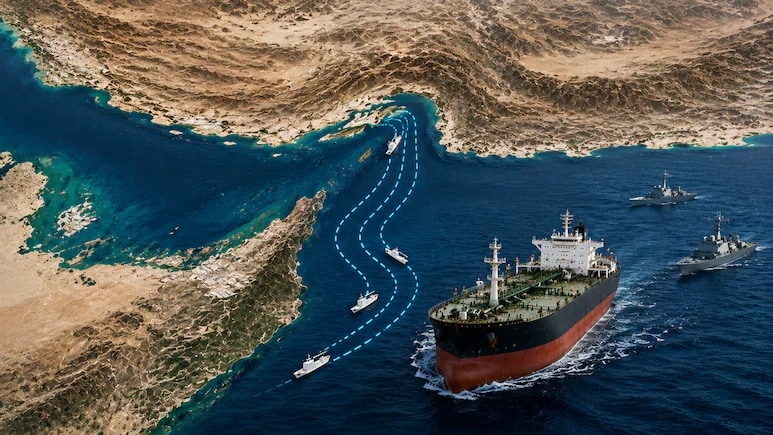
- Traffic through the Strait of Hormuz and Bab el-Mandeb increased on August 11, Kpler said
- Fourteen vessels crossed Hormuz, with 11 using the Iranian Unilateral Scheme route
- Bab el-Mandeb saw 40 crossings, including movements by dark and sanctioned fleets
Shipping traffic through the Strait of Hormuz and Bab el-Mandeb increased on Aug. 11, but the uptick has done little to ease concerns in global shipping markets, according to maritime data and analytics firm Kpler.
In a post on X, Kpler said traffic through both strategic chokepoints had risen, while warning that the higher volumes had not yet translated into a return to normal conditions.
"Chokepoint traffic rises, risks persist," Kpler said.
Chokepoint traffic rises, risks persist
— Kpler (@Kpler) August 12, 2026
Maritime traffic increased through both the Strait of Hormuz and Bab el-Mandeb on 11 August, but higher volumes have not translated into normalisation. Hormuz crossings rose to 14, with 11 using the Iranian Unilateral Scheme and none using… pic.twitter.com/szFMq6tO4c
ALSO READ: Iran's Big Claim Amid Tensions With US: Missile, Drone Production Exceeds Deployment Rate
Hormuz crossings rose to 14, with 11 vessels using the Iranian Unilateral Scheme, while none travelled through the traditional traffic separation scheme (TSS) route, Kpler said.
Traffic through Bab el-Mandeb reached 40 crossings, including movements involving dark, sanctioned and shadow fleets. Kpler said a newly confirmed vessel attack also took the cumulative number of such incidents to 65.
The data points to a fragile recovery in maritime activity rather than a broad-based normalisation. While vessels continue to transit both corridors, security concerns and restrictions on routing remain significant considerations for shipowners and operators.
"For shipping markets, the message remains mixed: trade is moving, but routing constraints, security incidents and diplomatic tensions continue to make both corridors active but fragile," Kpler said.
The Strait of Hormuz and Bab el-Mandeb are critical maritime routes for global trade and energy flows. Any disruption or prolonged uncertainty around the corridors can influence voyage planning, shipping costs and risk premiums.
For now, the rise in crossings signals that trade has not come to a standstill. But with security incidents continuing and alternative routing options carrying their own costs and delays, shipping markets remain on alert.
Essential Business Intelligence, Sharp Market Insights, Practical Personal Finance Advice, Daily Fuel, Gold and Silver Prices and Latest Stories — On NDTV Profit.