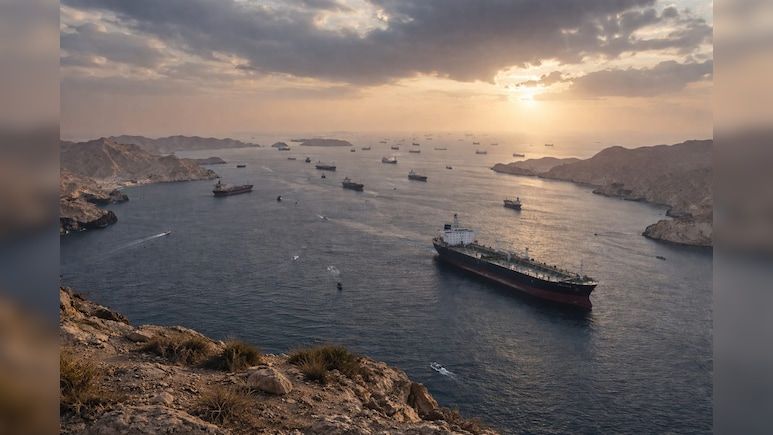
The Black Sea has become the deadliest waterway for commercial shipping this year, with more seafarers killed there than around the Strait of Hormuz despite the global focus on the Iran war, the Wall Street Journal reported.
At least 40 sailors have died in the Black Sea, according to maritime security firm Ambrey and the International Maritime Organization, against 24 confirmed seafarer deaths around Hormuz and the wider Middle East.
Hundreds Of Ships Struck
More than 570 vessels have been struck in the Black Sea this year. About 387 were hit between July and September, more than five times the previous quarter's tally, Ambrey said.
Also Read | Layoffs Are Rising In Tech, But These Skills Are Helping People Unlock Better Pay
Attacks averaged more than four a day in the third quarter. By comparison, IMO data show 120 reported incidents in Hormuz and the wider Middle East. The Financial Times noted that reporting from both regions is patchy, so the true scale is hard to establish.
Both Sides Are Targeting Ships
Russian forces have gone after commercial vessels carrying Ukrainian food exports, while Ukraine has used drones against Russian shipping on the sea's other side, the Wall Street Journal said. Ambrey attributes roughly 90% of attacks over the past 45 days to Russia.
ALSO READ | Gulf On Edge: Blasts Hit Iran's Hormuz Coast, US Disables Cargo Ship As Houthis Target Aramco
Violence Moves Towards NATO Waters
The attacks are now close to NATO territory. On 15 October, drones repeatedly struck the chemical tanker Wine Trader off Romania's coast, leaving seven crew members missing. On 23 October, the cargo ship Khoryv sank off Romania.
One crew member died and three went missing. Ambrey says attacks have shifted to open waters and the exclusive economic zones of NATO member states, turning up the heat on the alliance. The Wall Street Journal described the situation as a new test for NATO.
ALSO READ | India Condemns Black Sea Attack On MV Royad Mammadov; Three Indian Crew Safe, Two Foreign Sailors Dead
Why It Matters
The Iran war, now in its eighth month, has kept Hormuz at the centre of energy and shipping concerns. But the Black Sea is a vital outlet for Ukrainian grain and other food exports. Shipping groups warn that the escalating violence threatens crews, trade and global grain supplies.
The danger falls hardest on seafarers, who often have little say over where their vessels sail.
With no sign of de-escalation, crews, shipowners and insurers face a lane that is more dangerous than the one the world has been watching.
Essential Business Intelligence, Sharp Market Insights, Practical Personal Finance Advice, Daily Fuel, Gold and Silver Prices and Latest Stories — On NDTV Profit.