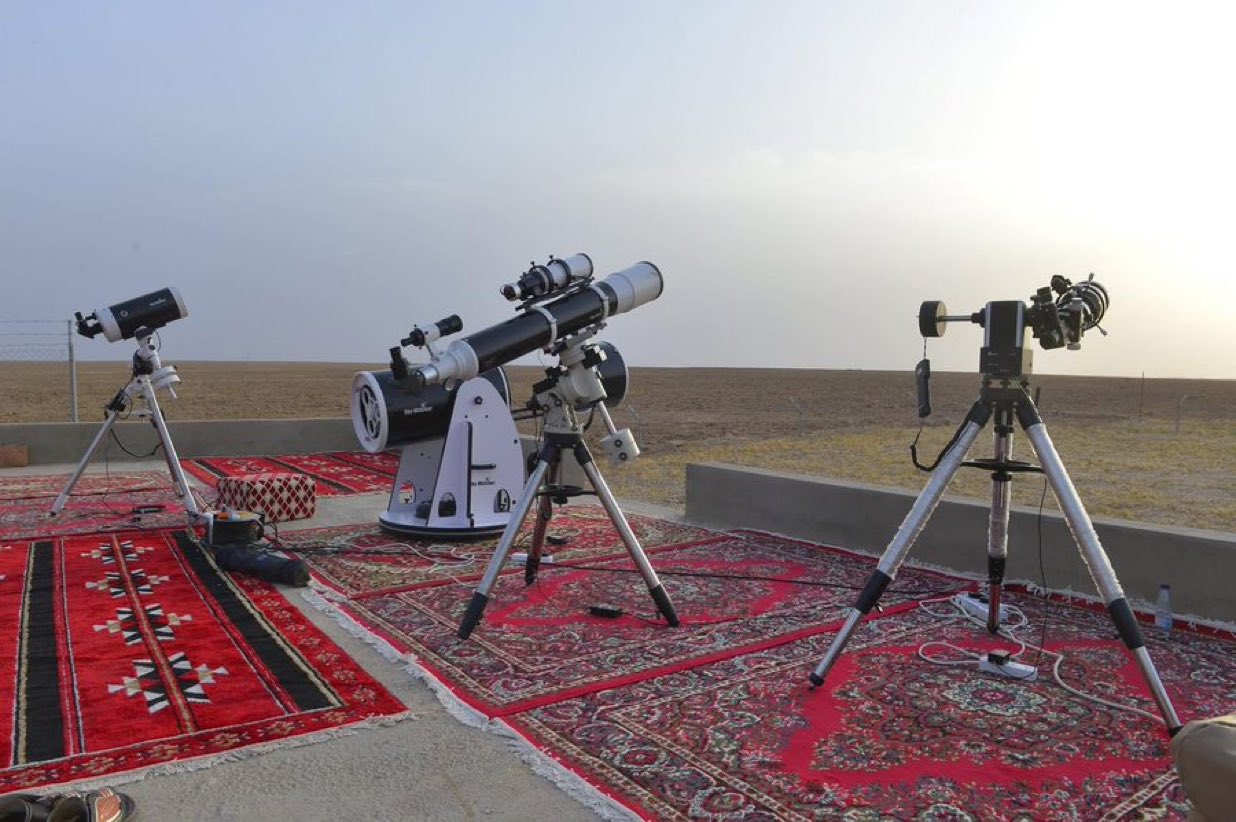
The recurring difference in Eid-ul-Fitr celebrations between Saudi Arabia and India is not a matter of differing beliefs, but of astronomy, geography and observation methods, experts say.
At the heart of the issue lies the Islamic lunar calendar, which begins each month only after the first visible crescent moon is sighted following sunset. This is distinct from the astronomical new moon, or conjunction, when the Sun and Moon align, a phase during which the Moon is invisible to the naked eye.
Astronomers stress that the new moon itself cannot be seen anywhere on Earth. Visibility begins only hours later, when the Moon moves sufficiently away from the Sun to reflect light.
Also Read | Layoffs Are Rising In Tech, But These Skills Are Helping People Unlock Better Pay
“The start of an Islamic month depends on the visibility of the crescent, not the moment of conjunction,” notes guidance from the U.S. Naval Observatory, which studies lunar phases and visibility patterns.
Also Read: Eid Ul Fitr 2026 Moon Sighting Live Updates: When Will Saudi, UAE Witness Moon?
Why Saudi Arabia Often Sees It First
Saudi Arabia frequently records the crescent earlier than India due to a combination of scientific factors:
- Longitude Advantage: Located west of India, Saudi Arabia experiences sunset later on the same day. This gives the Moon more time to age and separate from the Sun, making it brighter and easier to detect.
- Moon Geometry: By sunset in the Middle East, the Moon typically has greater angular separation (elongation) from the Sun—one of the key conditions for visibility.
- Altitude and Horizon Conditions: The crescent often appears higher above the horizon in Saudi Arabia, reducing atmospheric distortion. Clear desert skies further improve chances of sighting.
NASA-backed studies on crescent visibility confirm that elongation, altitude, and atmospheric clarity are among the most critical variables determining whether the Moon can be seen.
Also Read: UAE Orders Eid Prayers Indoors Amid Iran Conflict, Bans Outdoor Gatherings
Why India Often Follows a Day Later
In contrast, India's eastern location means the Moon is usually younger at sunset, making it thinner, dimmer, and often too close to the Sun's glare to be visible.
Additional factors include:
- Shorter moonset lag (less time between sunset and moonset)
- Haze and humidity, especially in urban or coastal regions
- Shallower lunar angle, which keeps the crescent closer to the horizon
As a result, even when Saudi Arabia confirms a sighting, the crescent may remain below visibility thresholds in South Asia on the same evening.
Modern crescent visibility models, such as those developed by astronomers like Bernard Yallop and Bradley Schaefer, consistently show that first-day visibility zones often include the Middle East, while India and surrounding regions fall into “not visible” categories on the same date.
These models are based on decades of observational data and orbital calculations. If the Moon is not seen on the 29th day in India, the lunar month is extended to 30 days, delaying Eid by one day.
Experts emphasize that the variation is neither unusual nor controversial. "This is a natural outcome of how the Earth rotates and how the Moon orbits," note lunar visibility studies cited by global observatories. "Different regions will inevitably begin months on different days."
Saudi Arabia often celebrates Eid earlier than India because the crescent Moon becomes physically visible there sooner, owing to Earth's rotation, lunar motion, and local viewing conditions — not because of differing religious principles.
As a result, the one-day difference in Eid celebrations remains a predictable and scientifically explainable phenomenon, observed across the Islamic world each year.
Essential Business Intelligence, Sharp Market Insights, Practical Personal Finance Advice, Daily Fuel, Gold and Silver Prices and Latest Stories — On NDTV Profit.