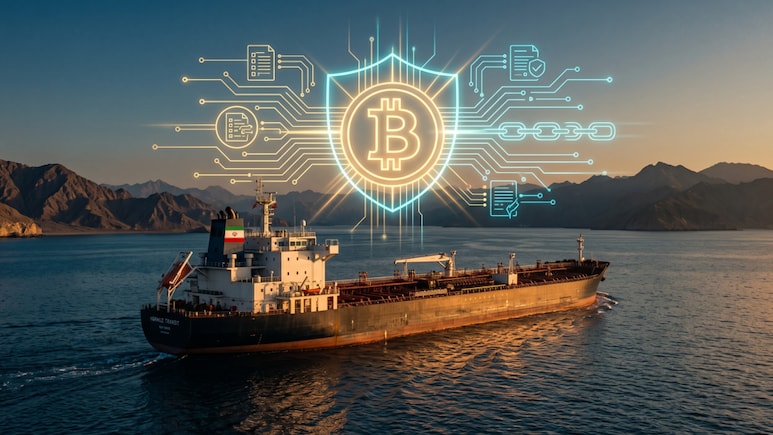
Iran has moved to formalise its control over the strategically vital Strait of Hormuz by announcing a new authority to oversee operations in the waterway, while simultaneously floating a cryptocurrency-based insurance scheme for ships transiting the passage, Al Jazeera reported.
Iran's Supreme National Security Council on Monday announced the creation of the Persian Gulf Strait Authority (PGSA), which it said would provide “real-time updates” on developments in the strait — a checkpoint through which nearly 20% of the world's oil and gas trade passes during peacetime.
ALSO READ: US-Iran Breakthrough On Cards? Tehran Open To Long-Term Nuclear Freeze, Report Says
Also Read | Layoffs Are Rising In Tech, But These Skills Are Helping People Unlock Better Pay
The move comes days after Iran's semi-official Fars news agency reported that Tehran plans to offer maritime insurance for ships crossing the Strait of Hormuz and nearby Gulf waters, with transactions settled in cryptocurrencies such as Bitcoin.
According to the report, the proposed “Hormuz Safe” platform would provide insurance cover, encrypted verification services and digital payment mechanisms for maritime cargoes. Iran estimates the programme could generate more than $10 billion annually.
The proposal follows repeated statements from Iranian officials since the outbreak of the US-Israel conflict on February 28 suggesting that ships using the strait may have to pay transit or security-related charges. Tehran has already acknowledged collecting tolls from some vessels attempting passage.
ALSO READ: Why This Super-Wealthy Gulf Nation Is Among Worst Hit Due To Hormuz Deadlock
While Iran describes the plan as a commercial risk-management service, many shipping firms are expected to view it as a de-facto transit toll.
Under the United Nations Convention on the Law of the Sea (UNCLOS), countries cannot impose levies on ships transiting international straits.
“Iran would face serious financial, legal, and operational obstacles” in implementing such a system, Abdul Khalique, head of the Liverpool John Moores University Maritime Centre, told Al Jazeera.
“Without credible reinsurance, shipowners may doubt whether claims would actually be paid,” he said, adding that Bitcoin-based transactions could also trigger concerns around sanctions evasion and money laundering.
The US, China and the United Nations have all opposed any restrictions or charges on navigation through the Strait of Hormuz.
Essential Business Intelligence, Sharp Market Insights, Practical Personal Finance Advice, Daily Fuel, Gold and Silver Prices and Latest Stories — On NDTV Profit.