- Esmaeil Baqaei urges countries using Strait of Hormuz to protect its marine environment
- Baqaei links recent oil pollution near Qeshm Island to a foreign bulk carrier
- He questions who should compensate for environmental damage in the Persian Gulf
Top Iranian official Esmaeil Baqaei has called on all countries benefiting from commercial shipping through the Strait of Hormuz to take responsibility for protecting the region's marine environment.
Baqaei, the spokesperson for Iran's Ministry of Foreign Affairs, said in a post on X that those countries have both a legal and moral obligation towards the environmental damage caused to the Persian Gulf and the Sea of Oman over the years.
ALSO READ: US Emergency Oil Reserves Hit 1983 Lows As Inventories Feel Squeeze Of Iran War
Also Read | Layoffs Are Rising In Tech, But These Skills Are Helping People Unlock Better Pay
“Why must addressing the environmental condition of the Strait of Hormuz and its surrounding waters form an integral part of any future administration of the Strait?” he asked, referring to the recent reports of oil pollution along the shores of Qeshm Island.
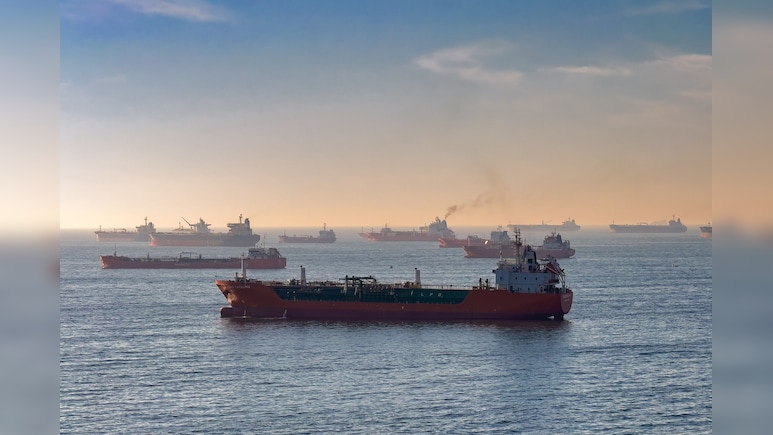
He said that the region is facing oil contamination at several coastal locations and across parts of the sea surface. Preliminary evidence has reportedly linked the pollution to a foreign bulk carrier, according to Baqaei.
Why must addressing the environmental condition of the Strait of Hormuz and its surrounding waters form an integral part of any future administration of the Strait?
— Esmaeil Baqaei (@IRIMFA_SPOX) August 12, 2026
In recent days, videos have circulated showing oil pollution along the shores of Qeshm Island. This pollution… pic.twitter.com/UpSWlqePvd
“Who bears responsibility for compensating these damages? Is it the nations that consume the inexpensive energy exported from our region, the shipping insurers, or the aggressors and their partners who have transformed the Persian Gulf and the Sea of Oman into a theater for military operations and the testing of highly destructive weaponry?” he said.
Baqaei stressed that the incident is only one example of the wider environmental damage suffered by the Persian Gulf and the Sea of Oman over many years.
“This incident is only one visible example of the extensive pollution—both overt and concealed—that has degraded the waters of the Persian Gulf and the Sea of Oman, as well as the region's marine ecosystem, over recent decades, imposing trillions of dollars in damage on Iran's coastal areas,” the official noted.
In his post, he further argued that protecting the environment must be an essential part of any future administration of the Strait of Hormuz and Iran cannot remain indifferent.
“Every party that benefits from commercial shipping through the Strait of Hormuz carries both a legal and a moral obligation to remediate the environmental harm inflicted upon the Persian Gulf and the Sea of Oman,” Baqaei concluded his post.
ALSO READ: 'Outlast Trump': Iran Vows To Exhaust US In Prolonged Conflict
War-related damage has exacerbated the environmental costs the region has borne for years. These problems are likely to cause lasting environmental damage and pose serious health risks to future generations, including contributing to a hotter planet, according to experts. Multiple environmental organisations, including the United Nations Environment Programme and the Center for American Progress, have also raised concerns over the issue. As the US-Iran war was triggered at the end of February, they warned that bombing oil facilities, chemical plants and weapons depots can spread toxic substances across borders. As per a report by The Guardian, an analysis found that the US-Israel war on Iran generated about 5 million tonnes of greenhouse gas emissions in merely the first 14 days.
Essential Business Intelligence, Sharp Market Insights, Practical Personal Finance Advice, Daily Fuel, Gold and Silver Prices and Latest Stories — On NDTV Profit.