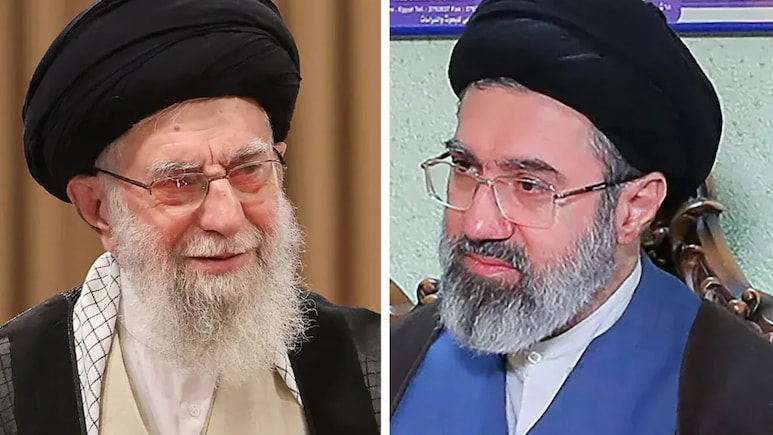
Iran's slain Supreme Leader Ayatollah Ali Khamenei was buried at the Imam Reza Shrine in Mashhad after a week of nationwide funeral ceremonies and mourning, Reuters reported.
The Imam Reza Shrine is regarded as Iran's holiest shrine and is located in Khamenei's birthplace of Mashhad.
Following Khamenei's death, Iran's clerical leadership selected his son Mojtaba Khamenei as the country's new Supreme Leader. However, Mojtaba has not appeared in public since succeeding his father, and no verified photographs, videos or audio recordings of him have been released since he assumed office, while he has issued written statements.
Also Read | Layoffs Are Rising In Tech, But These Skills Are Helping People Unlock Better Pay
ALSO READ: Khamenei's Final Journey: Body Arrives In Mashhad As Millions Gather For Funeral
As reported by Reuters, Mojtaba Khamenei reportedly sustained serious injuries, including facial disfigurement and severe wounds to his limbs, in the same strike that killed his father, which is believed to be the reason for his continued absence from public view.
His prolonged absence has fueled speculations inside and outside of Iran regarding his health and ability to govern, although Iranian officials maintain that he remains in charge of state affairs. According to analysts, Mojtaba's succession, backed by influential elements of the Islamic Revolutionary Guard Corps (IRGC), point to broad continuity in Iran's political and security policies.
The burial marked the conclusion of several days of state organised funeral processions that took place across multiple Iranian cities and extended into parts of Iraq.
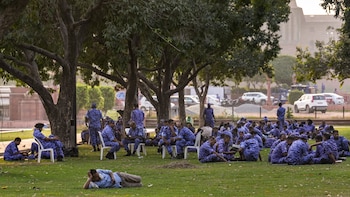
According to Iranian State Media, thousands of mourners gathered in Mashhad for the final burial ceremony, carrying portraits of Khamenei, Iranian flags and religious banners. During the burial procession, many mourners chanted anti-US and anti-Israel slogans, while some displayed placards calling for the killing of US President Donald Trump in retaliation for Khamenei's death.
Ayatollah Ali Khamenei was killed in a joint airstrike by US and Israel, that targeted Iran's leadership at the beginning of the 2026 Iran war. Khamenei had ruled Iran for approximately 37 years, making him one of the country's longest serving political and religious leaders. Throughout his tenure, Khamenei exercised ultimate authority over Iran's armed forces, judiciary, intelligence agencies and major state institutions while overseeing the expansion of the IRGC's influence. Khamenei's tenure also saw repeated crackdowns on anti-government protests and growing international sanctions over Iran's nuclear programme and regional policies.
As Iran transitions into its new leadership, it faces twin challenges of managing a leadership transition while coping with economic pressures, international sanctions, and the aftermath of the recent conflict.
ALSO READ: US Strikes Iran After Hormuz Ship Attacks Amid Khamenei funeral, Revokes Sanction Waiver On Oil
Essential Business Intelligence, Sharp Market Insights, Practical Personal Finance Advice, Daily Fuel, Gold and Silver Prices and Latest Stories — On NDTV Profit.