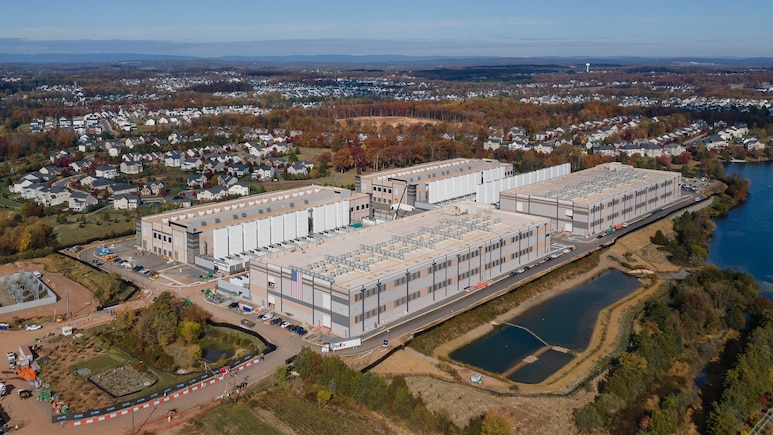
Microsoft Corp. dramatically cut back investments in carbon removals in the first half of the year, as it ratchets up spending on artificial intelligence.
The company bought 8.55 million metric tons of carbon removal credits in the year through mid-July, which is about 80% less than it purchased over the same period in 2025, according to calculations by BloombergNEF. That puts Microsoft on track for its first retreat since 2023 from a market it entered in 2020.
ALSO READ: Microsoft Unveils $20.5-Billion AI-Backed Cloud Region In Hyderabad
Also Read | Layoffs Are Rising In Tech, But These Skills Are Helping People Unlock Better Pay
At the same time, Microsoft's carbon footprint has been growing. AI's seemingly insatiable demand for electricity, coupled with the slow rollout of cleaner solutions, resulted in a 25% increase in the company's emissions last year, according to its latest sustainability report.
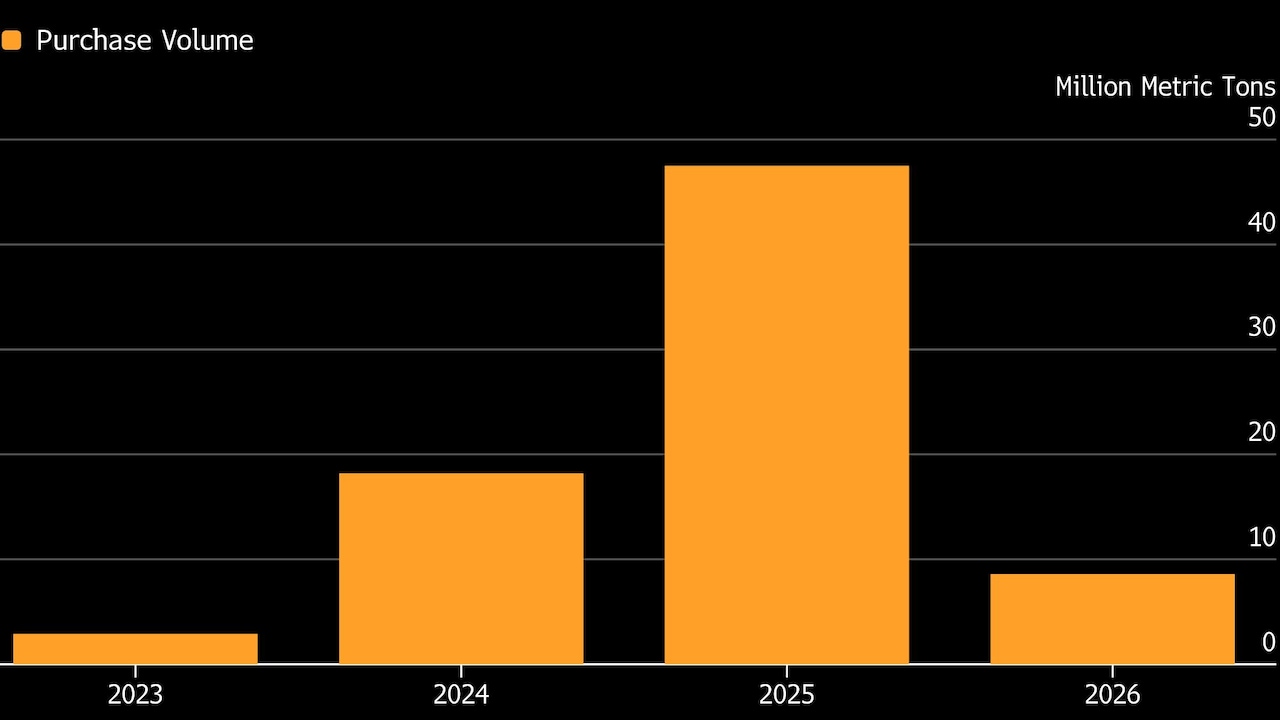
Photo Credit: Bloomberg
The development comes as Microsoft and other hyperscalers are locked in an AI arms race in which efforts to achieve scale appear to be on a collision course with previously stated climate goals. Bloomberg News reported in April that Microsoft was pausing some of its carbon removal purchases due to financial considerations. The company said back then the program hadn't ended.
In an emailed response to Bloomberg News, Microsoft said that buying removal credits is only one pillar of its pathway toward decarbonization. “Any adjustments we make are part of our disciplined approach, not a change in ambition,” a spokesperson for the company said.
Despite this year's retreat, Microsoft remains the top buyer by far in the voluntary carbon removal market, accounting for almost half of all transactions so far in 2026.
Given Microsoft's outsized role, any shift in its commitment has a significant impact on the market. Global sales of carbon removal credits totaled 18 million metric tons through mid-July, tracking 66% below 2025 levels, according to BNEF data.
ALSO READ: DeepSeek Increases Prices For AI Services By Multiple Times
“Aside from the sheer size of its purchase, Microsoft's activity has also sent a key signal to its peers that carbon removals are a worthwhile investment,” said Layla Khanfar, a BNEF analyst tracking the market. “If it pulls back, that also sends a message and other companies could be disinclined to take its spot as a champion.”
United Nations-backed scientists warn that cutting emissions alone will not prevent global warming's worst effects. Billions of tons of atmospheric CO2 must also be removed annually by mid-century. Certain carbon removal technologies such as direct air capture remain prohibitively expensive to deploy at scale, leaving the nascent sector reliant on voluntary corporate buyers to bankroll development.
(This story has not been edited by NDTV staff and is auto-generated from a syndicated feed.)
Essential Business Intelligence, Sharp Market Insights, Practical Personal Finance Advice, Daily Fuel, Gold and Silver Prices and Latest Stories — On NDTV Profit.