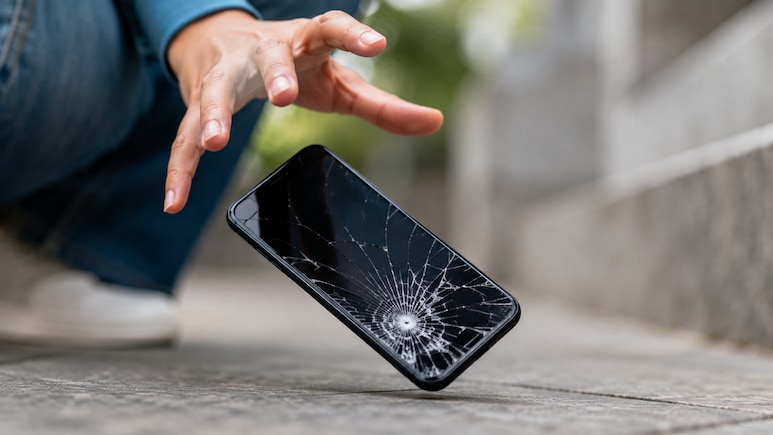
If you've ever dropped your phone out of your hand, you're not alone - 82% of Indian smartphone users have done the same, according to a new consumer study by OneAssist and Hansa Research.
Titled The Great Indian Smartphone Protection Crisis, the study digs into how Indians actually use their phones day to day, how often things go wrong, and - perhaps more tellingly - how few people have any real protection in place when they do.
Most of the damage comes from the regular tasks. More than a third of incidents (36%) trace back to phones slipping out of pockets or bags, with cracked screens topping the list of resulting damage.
Also Read | Layoffs Are Rising In Tech, But These Skills Are Helping People Unlock Better Pay
For a lot of people, though, a dropped phone isn't just a repair bill. Over a third of respondents (35%) said they panicked the moment it happened. Nearly a quarter admitted the incident had sparked an argument with someone, and 15% said they'd cancelled plans outright because of the damage.
Women, it turns out, feel it more. Forty-three percent reported panicking after a drop, against 33% of men - and women were also more likely to drop and damage their phones in the first place. The numbers: 94% of women had dropped a phone by accident, compared to 80% of men; 79% had suffered damage versus 71% of men.
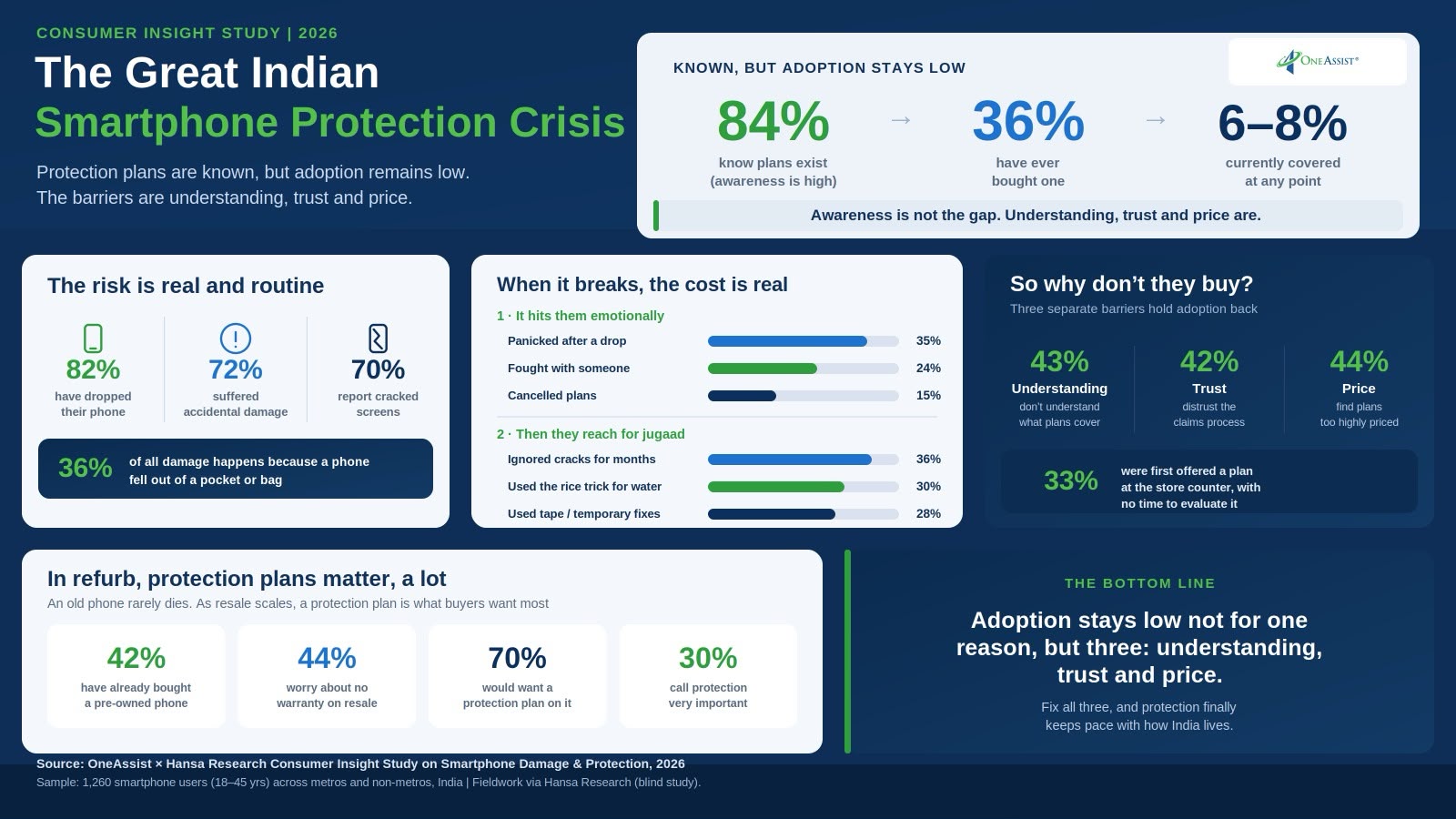
What's striking is how little of this is actually insured against. While 36% of people have used some kind of protection plan at one point, only 6-8% are currently covered. Cost, confusion over what's actually included, and skepticism about the claims process came up repeatedly as reasons people skip coverage altogether.
In the absence of real protection, jugaad takes over. Close to 30% of respondents said they'd tried the rice trick on a water-damaged phone, and anywhere from a fifth to a third have resorted to tape or similar patch-jobs to hold a broken device together.
The pre-owned market tells its own story. Around 70% of those surveyed think protection matters more for a used phone than a new one, and 30% said a warranty would tip them toward actually buying a second-hand device. There's also a clear metro/non-metro division- 54% of non-metro consumers have bought a pre-owned smartphone, compared to just 30% in metros.
ALSO READ | Samsung's August 27 Galaxy Event May Bring A New S26 Model
The 26-30 age bracket, according to the report is the most phone-dependent group overall, leaning on their devices heavily for payments, shopping, entertainment, and staying in touch. As phones get pricier and people hold onto them longer, the report suggests, an accidental drop starts to carry real financial weight.
"There's a clear gap between how much consumers depend on their smartphones and how few actually protect them," said Subrat Pani, Co-founder of OneAssist. He pointed to affordability, simplicity, and trust as the three things the protection industry needs to fix if it wants wider adoption.
With India's smartphone base now topping 650 million users and ownership cycles stretching past three years, OneAssist and Hansa Research argue that device protection is becoming less of an afterthought and more of a core part of owning a phone.
Essential Business Intelligence, Sharp Market Insights, Practical Personal Finance Advice, Daily Fuel, Gold and Silver Prices and Latest Stories — On NDTV Profit.