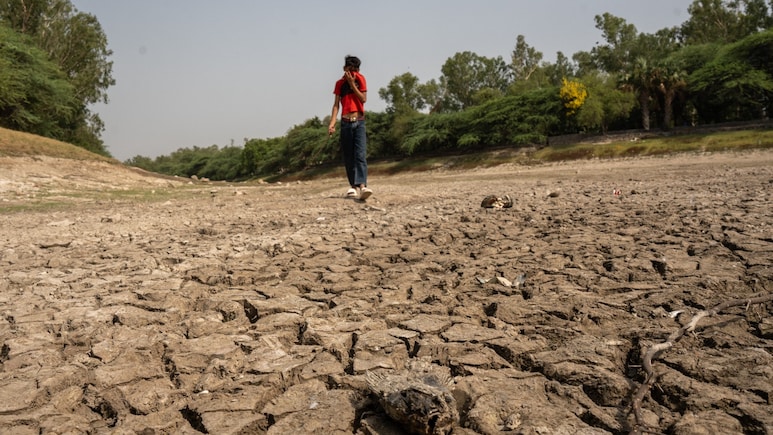
India is on course for its driest monsoon in 17 years as a strengthening El Nino curbs rainfall, threatening crop yields and raising food-price risks.
Cumulative rainfall during the June to September monsoon season is 15% below the long-term average so far, according to the India Meteorological Department. If the deficit persists, it would be the weakest monsoon since 2009, when precipitation was 18% below normal. The weather office had forecast a 10% shortfall for this season back in May.
Conditions may become favorable for a tropical cyclone in the Bay of Bengal in the last week of September, said Christian Werner, managing director of Australia-based consultancy Global Weather Climate Analytics. That could potentially bring much-needed rain to eastern and northeastern India, mitigating the deficit there, he added.
Also Read | Layoffs Are Rising In Tech, But These Skills Are Helping People Unlock Better Pay
ALSO READ: ISRO's Oceansat-3 Captures El Nino's Impact On Marine Productivity In Equatorial Pacific Ocean
Still, the storm is unlikely to materially change the national picture and Werner expects the seasonal deficit to hold between 13% and 16%.
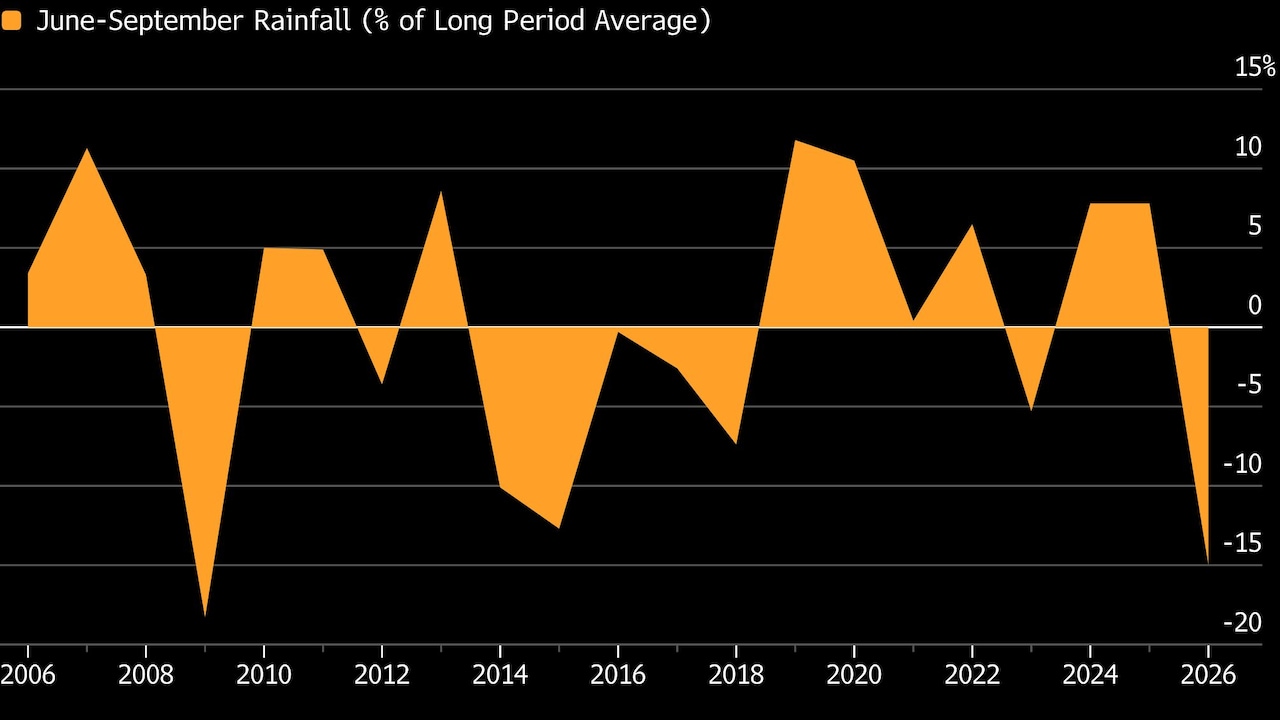
Forecasters and academics are also placing bets on India's monsoon through a specialty prediction platform at Lancaster University in the UK, known by its acronym CRUCIAL. With less than two weeks of monsoon remaining, the platform is assigning a 68% chance that the season will end with a rainfall deficit of 10% to 20%, according to founder and planetary scientist Mark Roulston.
Adequate monsoon rains are crucial for the hundreds of millions of Indian farmers who depend on the seasonal precipitation to irrigate fields in the country, which is among the world's biggest producers of rice, sugar and cotton. The season accounts for most of India's annual rainfall.
The prolonged shortfall could hurt both the current harvest and the next crop cycle, adding to the pressure on food prices that are already accelerating, with costs rising for a seventh straight month to 5.95% in August, the highest level this year. Rice, sugar cane and corn plantings are running behind last season.
When the monsoon is deficient, every 1 percentage-point shortfall in precipitation from normal levels typically raises food inflation by about 25 basis points, according to Yuvika Singhal, an economist at QuantEco.
ALSO READ: Boiling Oceans, Dire Diseases, Climate Injustice: El Nino's Terrifying Trifecta
Weaker rains and rising prices have already pushed the government to allow duty-free sugar imports to bolster supplies. The government is also selling onions at subsidized prices in some states, as part of efforts to cool rising food costs.
(This story has not been edited by NDTV staff and is auto-generated from a syndicated feed.)
Essential Business Intelligence, Sharp Market Insights, Practical Personal Finance Advice, Daily Fuel, Gold and Silver Prices and Latest Stories — On NDTV Profit.