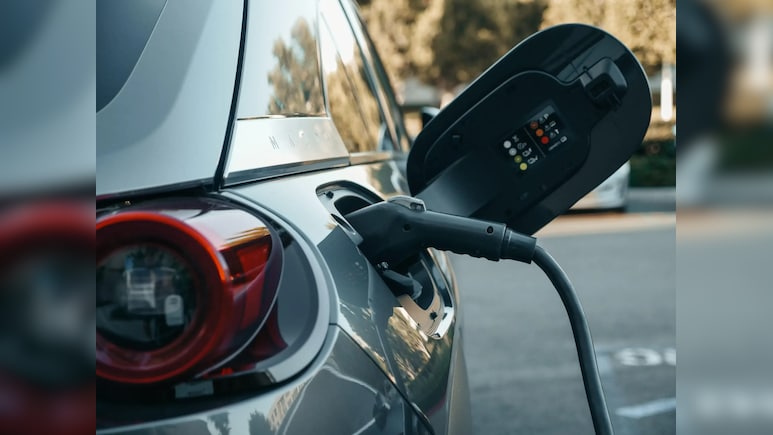
As more people shift to electric vehicles (EVs), insurance for these vehicles is also changing. EVs are different from petrol or diesel cars and their insurance needs are slightly different too.
EVs come with expensive components like batteries, charging systems and advanced electronics. A general motor insurance policy may not fully cover these parts unless add-ons are included.
ALSO READ: Your Health Cover Might Not Help With These Heatwave Ailments— What You Should Know
Here's all your auto insurance must cover:
EV insurance is a regular car insurance which covers accidents, thefts and damage but EV have some advanced and extra parts that need special coverage.
Battery: The biggest and most expensive part of an EV is its battery. This accounts for nearly 45 to 60% of the vehicle's cost. If it gets damaged, replacing it can cost a lot. That's why you should choose a policy that includes battery protection, which helps cover repair or replacement cost.
Special add ons also include battery warrant support, which helps if the battery stops working properly within a certain period. In addition to this, your insurance must cover battery damage, battery replacement and unexpected failure.
Charging equipment cover: Unlike traditional cars, EV owners depend on home chargers and cables, which can also be vulnerable to damage or theft. With the add-on of zero-depreciation cover you will get the full claim amount without cuts for wear and tear, which is helpful since EV parts can be expensive.
Return-to-Invoice (RTI) cover: If your car is stolen or totally damaged, this add-on gives you the full invoice value.
ALSO READ: Government Notifies 100% FDI In Insurance Companies Via Automatic Route, 20% Limit In LIC
Roadside assistance: It is considered especially important for EVs. Unlike hybrid vehicles, which have a backup internal combustion engine, EVs rely entirely on battery power. In situations such as battery drain, roadside assistance can help with towing or emergency support.
Insured Declared Value (IDV): It is the maximum amount an insurer will pay if the vehicle is stolen or completely damaged. IDV is based on the manufacturer's selling price and decreases over time due to depreciation. Since EVs generally have a higher purchase cost, their IDV is also higher, which in turn leads to higher insurance premiums.
Other key add-ons include legal motor protection, cover for loss of DL and RC and repair of glass, fibre, plastic and rubber parts.
"Add-ons for electric and hybrid vehicle insurance include comprehensive coverage of accidental damage to any part of the vehicle including charger, battery and motor. Also covers losses in the form of exclusive addons for the additional risk of Surge/shock circuit," said Neel Chheda, Executive Vice President and Head of Auto and Actuarial Analytics at TATA AIG.
Essential Business Intelligence, Sharp Market Insights, Practical Personal Finance Advice, Daily Fuel, Gold and Silver Prices and Latest Stories — On NDTV Profit.