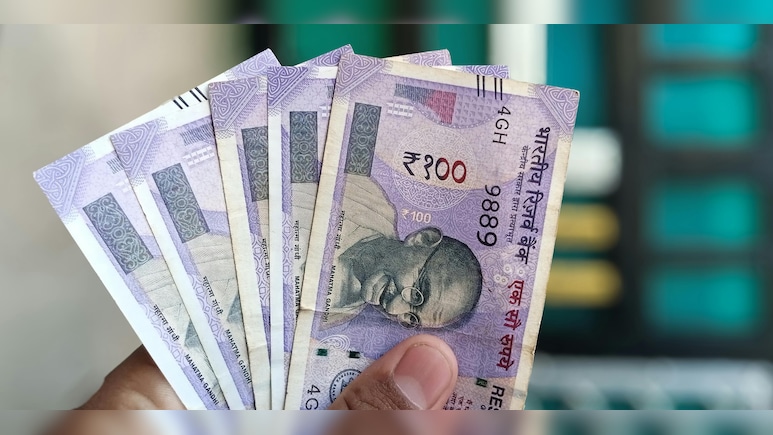
A Rs 50,000 monthly rental outgo and a Rs 50 lakh housing loan represent two very different approaches to managing money and securing a place to live. Renting provides flexibility and avoids the financial burden of property ownership.
Purchasing a house means committing to regular loan instalments, but it also offers an opportunity to own an asset that may gain value over the years. The better option depends on an individual's earnings, future plans, financial commitments and housing requirements.
Understanding the cost of buying a house
Also Read | Layoffs Are Rising In Tech, But These Skills Are Helping People Unlock Better Pay
Take the example of a borrower opting for a Rs 50 lakh housing loan at an annual interest rate of 8.5%, repayable over 20 years. The monthly EMI would work out to approximately Rs 43,391. By the time the loan is fully repaid, the borrower would have paid around Rs 54.14 lakh in interest alone. This takes the total repayment amount to roughly Rs 1.04 crore.
ALSO READ | Mutual Fund Expense Ratio: How Much Of Your Investment Is Lost To Fund Management Charges Over 20 Years?
At first glance, the monthly loan instalment of Rs 43,391 may seem more affordable than paying Rs 50,000 in rent. The cost of homeownership goes beyond EMI payments, though.
Buyers must also arrange funds for the initial down payment, stamp duty, registration, property tax, maintenance and home insurance. Taken together, these expenses can add significantly to the overall cost of owning a house.
What makes renting attractive?
Renting can be a practical choice for those who want to keep their finances flexible without committing to a sizeable loan. At Rs 50,000 a month, the annual housing expense comes to Rs 6 lakh. Tenants are also spared the responsibility of major property repairs and the financial burden of owning an asset in a location they may eventually move away from.
The money saved by avoiding a home purchase can also be put to work elsewhere. Instead of using a substantial sum for the down payment, buyers can consider investing it in mutual funds, fixed deposits or other financial products.
Such investments could build wealth over the years, although the eventual returns would depend on market performance and the chosen investment.
Renting also comes with certain uncertainties. Landlords may revise rental rates at regular intervals, increasing the tenant's housing expenses over time. Since rent payments do not translate into property ownership, tenants do not accumulate an asset. They may also have to find another home if the owner decides to sell the property or move in.
Which option offers better financial value?
The financial case for renting or buying a house depends on several factors, including the property's market value, rental yield, prospects of price appreciation and potential returns from other investment avenues. In locations where property valuations are high compared with rental income, staying on rent and investing the money otherwise earmarked for a purchase could prove to be a more rewarding strategy.
ALSO READ: Rs 10 Lakh Lump Sum In Small Cap Mutual Fund: Only Invest When You're Sure About These 5 Things
Purchasing a home may be a better fit for those who expect to remain in the same city for at least 10 to 15 years. A steady income, manageable loan repayments and sufficient funds to meet other financial commitments are essential before taking on a long-term housing loan.
Ultimately, neither renting nor buying is universally better. The smarter choice is the one that balances your housing needs with long-term financial stability.
Essential Business Intelligence, Sharp Market Insights, Practical Personal Finance Advice, Daily Fuel, Gold and Silver Prices and Latest Stories — On NDTV Profit.