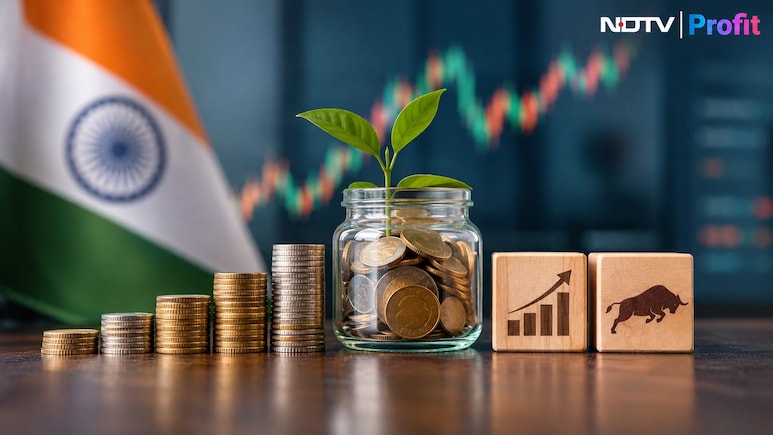
India's production-linked incentive (PLI) programme has attracted Rs 2.4 lakh crore in investments and generated Rs 22.66 lakh crore in production up to March 2026. However, implementation has varied sharply across industries, with electronics and pharmaceuticals emerging as stronger performers while the advanced chemistry cell (ACC) battery scheme continues to lag.
According to NITI Aayog's November 2026 impact assessment, the schemes have generated 8.49 lakh jobs so far. The government has disbursed Rs 35,354 crore in incentives, representing 18.5% of the total allocated outlay. Nearly 70% of the targeted segments are broadly progressing as planned.
Large-scale electronics manufacturing ranks among the strongest performers, recording substantial gains in production, exports, sales and employment. The pharmaceutical and food processing schemes have also delivered encouraging results across investment, output and job creation.
Also Read | Layoffs Are Rising In Tech, But These Skills Are Helping People Unlock Better Pay
The white goods scheme has attracted Rs 6,409 crore in investments and generated Rs 43,150 crore in production. Domestic value addition in the sector has increased from 20% to 55%. Meanwhile, the medical devices scheme has recorded Rs 14,945 crore in sales.
Also Read | Govt Brings Together DGCA, NITI Aayog, FSSAI In Rare Push For Sustainable Aviation Fuel
The solar PLI programme has supported a significant expansion in domestic manufacturing capacity, from 8 GW to nearly 116 GW. The drone scheme has also made progress, with 77.5% of its allocated funds disbursed.
However, the ACC battery scheme remains the weakest link. Against its targeted 50 GWh manufacturing capacity, only 1.4 GWh has been developed. No commercial production has started and no incentives have been disbursed under the programme.
NITI Aayog identified technology gaps, dependence on imported machinery and project delays as key obstacles. Other schemes also face challenges.
IT hardware PLI remains at an early stage, while telecom manufacturing continues to depend heavily on imported high-value components. The auto scheme has attracted investment and boosted production, but employment remains below target.
Also Read | 8.7 Crore Youth Out of Education, Employment, Training: NITI Aayog
The assessment highlights that financial incentives alone cannot guarantee manufacturing success. Technology readiness, domestic supply chains and execution timelines will determine how effectively India converts PLI investments into long-term industrial capacity.
Essential Business Intelligence, Sharp Market Insights, Practical Personal Finance Advice, Daily Fuel, Gold and Silver Prices and Latest Stories — On NDTV Profit.