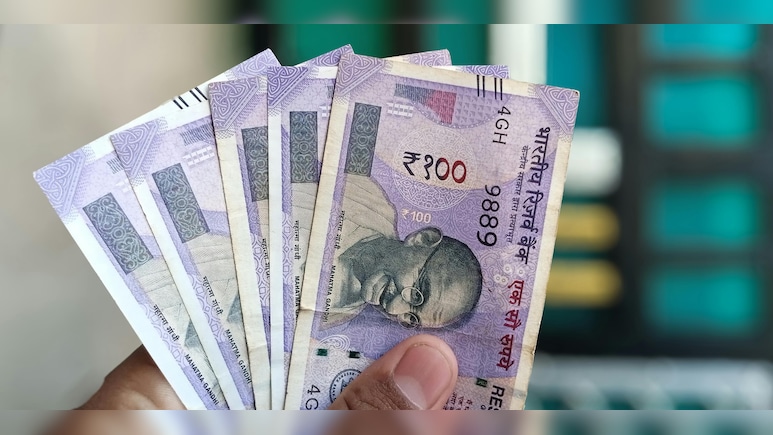
The first Rs 10 lakh can be the hardest milestone in an Indian investor's wealth-building journey. It may take years of saving diligently, keeping expenses in check and making measured investment choices. After reaching that point, the pace of wealth creation can accelerate, meaning the next Rs 10 lakh may come in far less time.
As an investment portfolio grows, the investor is no longer relying solely on fresh savings to build wealth. A Rs 10 lakh corpus can start generating returns of its own, and when those gains are reinvested, they can contribute to further growth. This creates a cycle in which existing capital increasingly works alongside new contributions.
Starting with no investment corpus means wealth accumulation is initially driven largely by how much you can set aside from your earnings. Careful control over expenses becomes essential, as a small portfolio has little capital to generate meaningful returns. At that stage, investment gains are often modest compared with the money being added regularly.
Also Read | Layoffs Are Rising In Tech, But These Skills Are Helping People Unlock Better Pay
ALSO READ: August Mutual Fund Data: Active Equity Inflows Rise 18% To Rs 29,328 Crore; SIPs At Record High
Compounding Finally Starts Working Visibly In Your Favour
The first few years of investing can test an investor's patience, as even healthy returns may produce relatively modest sums. At a 12% annual return, Rs 2 lakh would generate Rs 24,000, while a Rs 10 lakh corpus would earn Rs 1.2 lakh. Reinvesting those larger gains can steadily increase the capital at work, giving future returns a bigger base to build on.
A larger corpus does not guarantee the same rupee gains every year. Investment markets move in cycles, and a portfolio can deliver negative returns during weaker periods.
The bigger takeaway is the impact of scale: a 10% return on Rs 1 lakh amounts to Rs 10,000, while the same 10% gain on a Rs 10 lakh corpus works out to Rs 1 lakh.
Once a portfolio grows to Rs 50 lakh, even a 10% return translates into Rs 5 lakh. At this stage, the effect of compounding becomes far more apparent. The first Rs 10 lakh is built largely through earnings and the money you manage to save from them.
Reaching the next Rs 10 lakh can draw on new contributions as well as the gains produced by the capital already invested, including returns earned on earlier gains.
The real acceleration comes from combining a growing corpus with consistent investing. Compounding can do much of the heavy lifting as wealth increases, yet saving remains an essential part of the equation.
An investor with Rs 10 lakh who continues adding Rs 20,000 or Rs 30,000 a month steadily increases the amount available to generate returns. Someone who makes no further contributions is leaving the market to work with the capital already accumulated.
This becomes particularly important during the early stages of the journey.
The journey from zero to Rs 10 lakh is largely about developing financial discipline and finding enough room in your income to invest consistently. Once the corpus moves beyond that first milestone, the dynamics begin to change. Between Rs 10 lakh and Rs 1 crore, the capital already accumulated can make an increasingly meaningful contribution to portfolio growth.
Income and fresh savings remain important throughout the journey, while the investment corpus gradually takes on a greater share of the workload. That is why the second Rs 10 lakh can potentially be accumulated faster than the first.
ALSO READ: Gold ETF Inflows Jump 67% MoM To Rs 2,597 Crore In August: AMFI Data
The answer is not to pursue extraordinary returns or take excessive risks. A more sustainable approach is to build a sizeable corpus, invest regularly, control risk and allow compounding to work over a long period.
The first Rs 10 lakh can be a test of financial discipline. Reaching the next Rs 10 lakh can offer the first real glimpse of what that discipline has achieved.
Essential Business Intelligence, Sharp Market Insights, Practical Personal Finance Advice, Daily Fuel, Gold and Silver Prices and Latest Stories — On NDTV Profit.