- India's key macroeconomic headwinds are gradually reducing, says Samir Arora
- Rising crude prices at $100 per barrel pose less threat than widely perceived
- India imports 5 million barrels daily, adding $150 million extra cost per day
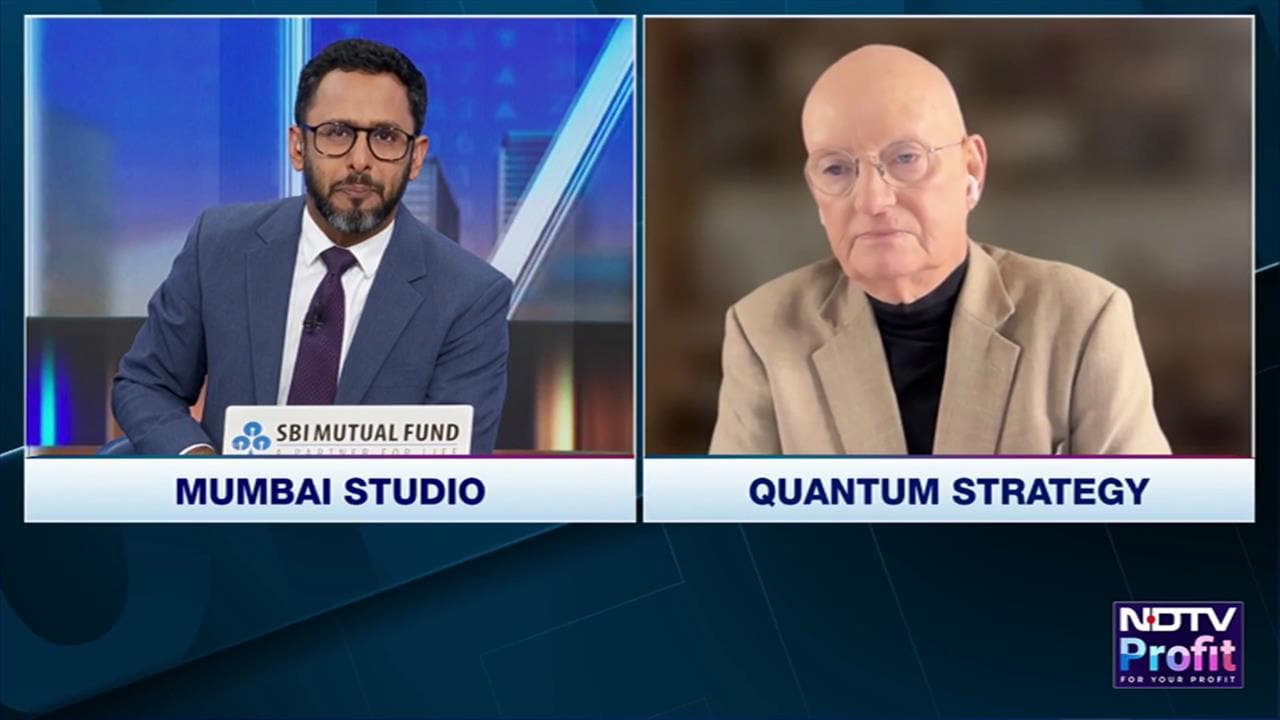
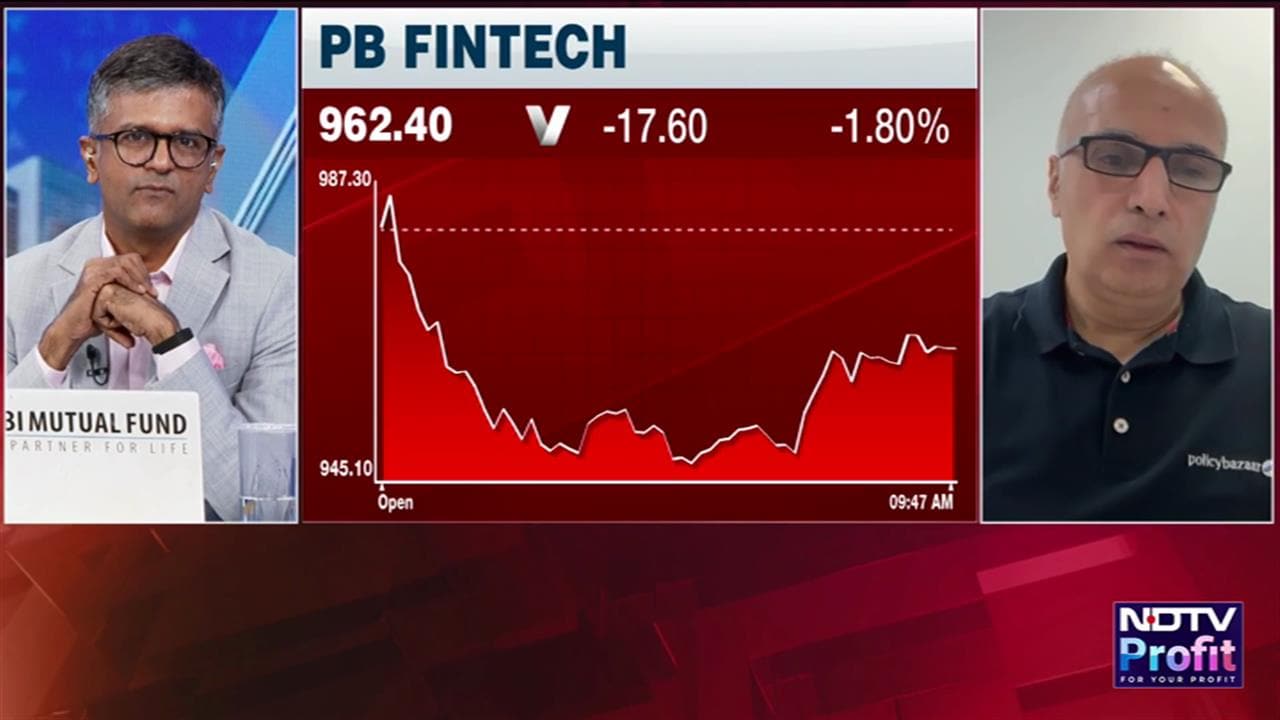
India's key macroeconomic headwinds are gradually reducing, according to Helios Capital founder and fund manager, Samir Arora, who also pushed back on narrative that rising crude oil prices could pose a serious threat to the economy.
Speaking to NDTV Profit, Arora spoke about the volatility in oil prices, which has destabilised global energy markets, including in India, even leading to a cumulative Rs 3.9 per litre price hike. At $100 per barrel, crude prices do look alarming, but Arora argued the panic is disproportionate to the actual damage.
"If you just do the math — India imports roughly 5 million barrels a day, so on a $30-35 per barrel difference, that is $150 million extra per day," he said. "It is not the end of the world."
Also Read | Layoffs Are Rising In Tech, But These Skills Are Helping People Unlock Better Pay
Arora argues that the burden of oil prices do not fall on India alone. It gets distributed across oil companies, the government, oil-producing nations and consumers.
"There have been much higher levels of oil prices — as recently as 2022. It is not great, but it is not the end of the world," he said.
"It may take away from what the government might have spent on something else. So that may be one concern," he added.
Are headwinds temporary?
Sameer Arora went on to talk about FII outflows and India's underperformance compared to Asian peers. Arora said reasons were identifiable and time-bound but not structural.
"Last year, India had a real war at around the same time as flows into international markets started picking up — after April, after the Trump tariffs were rolled back. Massive flows went into non-US markets, and then India got hit. India got isolated," he said.
He said those circumstances are now changing. "There are two or three reasons why we have done badly — and some of those reasons are going away," Arora said.
"India has to do its own things and not use external factors as excuses. Every morning, everyone in government, in the private sector, every company, should ask what little bit they can improve," he added.
On the $5 billion monthly FII outflows that rattled markets, Arora stated, "Five billion dollars a month for five or six months is nothing — it is zero. Don't make it trouble. It's okay."
ALSO READ: Tough Q1 Ahead For India Inc? JPMorgan Flags Key Concerns Amid Global Headwinds; Picks One Sector
Essential Business Intelligence, Sharp Market Insights, Practical Personal Finance Advice, Daily Fuel, Gold and Silver Prices and Latest Stories — On NDTV Profit.