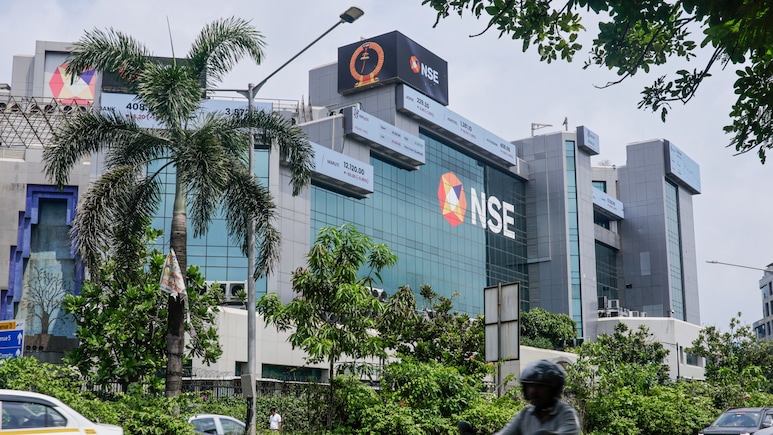
India's stock markets will open for a special shortened session on Sunday as the country celebrates Diwali, its biggest festival, keeping alive a tradition that has survived the shift from handwritten ledgers and bustling trading floors to smartphones and algorithms.
Known as Muhurat trading, the ceremonial session marks the start of a new Hindu calendar year, called Samvat, for many of India's trading communities. The idea is simple: begin the year with a transaction intended to bring prosperity.
But this year's celebration comes against a mixed market backdrop. While a recent rebound has turned India into a relative bright spot amid the global tech selloff, equity benchmarks are ending Samvat 2082 down more than 3%, their worst annual performance in over a decade. Domestic markets are little changed from levels seen during Muhurat trading day two years ago.

-
 Indian Markets Turning Corner After Two Tough Years, Says Sandeep Tandon
-
 NDTV Profit Ignite 2026: Experts See Opportunity In Equities, Stay Bullish For Long-Term
-
 Buy Right, Sit Tight Does Not Work for Individual Stocks, Says Dinshaw Irani
-
 'Worst Is Behind': Quant MF Sees Market Bottom, Flags 'Extreme Euphoria' In Midcaps
-
 India's Mutual Fund Industry Could Become A $1 Trillion Opportunity, Say Fund Managers
-
 'Foreign Investors Are Baraatis': Raamdeo Agrawal's Take On LTCG Tax
-
 Stay Invested Through Market Cycles: Raamdeo Agrawal at NDTV Profit Ignite
-
 Ramesh Damani Remains Bullish On India For Next 20-30 Years, Sees Bargains Amid Market Weakness
-
 CAS Came After A Long Consultation Process: SEBI Chairman Tuhin Kanta Pandey AT NDTV PROFIT IGNITE
-
 Aim To Cut FPI Onboarding Time From Mth To Five Days: SEBI Chairman Tuhin Kanta Pandey AT NDTV PROFI
Here's what to know about one of the most enduring traditions of the Indian stock market:
Also Read | Layoffs Are Rising In Tech, But These Skills Are Helping People Unlock Better Pay
What is Muhurat trading — and what time is it this year?
Muhurat trading is a special stock market session held on Diwali, the Hindu festival of lights. “Muhurat” refers to an auspicious period for beginning something new. For many Gujarati and Marwari business families, Diwali traditionally marks the end of one commercial cycle and the beginning of another. Conducting a transaction at the start of the new year is considered auspicious.
This year, NSE and BSE will hold Muhurat trading on Sunday, Nov. 8. A pre-open session will run from 2:05 p.m. to 2:20 p.m., followed by trading from 2:20 p.m. to 3:30 p.m. The trades aren't just ceremonial as orders executed result in regular settlement obligations.
Why is Diwali associated with investing?
For generations, merchant families in parts of India have used Diwali to reconcile accounts and open new ledgers for the coming business year. Central to the custom is the worship of Lakshmi, the Hindu goddess of wealth and prosperity. Known as Lakshmi Puja, this is an important part of Diwali celebrations.
In the state of Gujarat, the ritual is called Chopda Pujan, literally the worship of account books. Marwari families have similar traditions involving the opening of bahi-khata or account books. The traditional business year is separate from India's official financial year, which runs from April 1 through March 31.
How did a merchant ritual turn into a stock market tradition?
Traditionally, many of the brokers and traders in India come from the Gujarati, Marwari and Jain communities that observe the Diwali accounting customs. According to BSE's annual report, the exchange has been observing the tradition since 1957. Investors typically make token purchases to mark the beginning of the new Samvat year. Some participants also consider booking profits — symbolically bringing money home — auspicious.
What did Muhurat trading look like before electronic markets?
Diwali brought brokers and their families to the BSE's iconic trading floor in Mumbai. The occasion mixed business with celebration: traders dressed for the festival, families visited the exchange and token purchases and sales were made amid the bustle of the floor. That began to change in the late '90s as India's exchanges shifted to screen-based trading.
The crowd on the floor disappeared, trading moved to brokers' offices and desktops, and eventually onto investors' phones. The ritual nevertheless has survived. Exchanges still mark the occasion, brokers continue to organize Diwali ceremonies and investors place trades from wherever they happen to be. Likewise, businesses that long ago replaced handwritten ledgers with accounting software may still place a ceremonial book — or sometimes a laptop — alongside other objects during Diwali worship.
(This story has not been edited by NDTV staff and is auto-generated from a syndicated feed.)
Essential Business Intelligence, Sharp Market Insights, Practical Personal Finance Advice, Daily Fuel, Gold and Silver Prices and Latest Stories — On NDTV Profit.