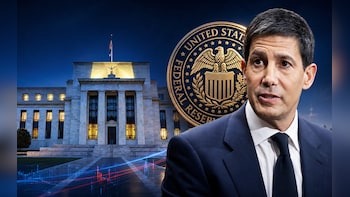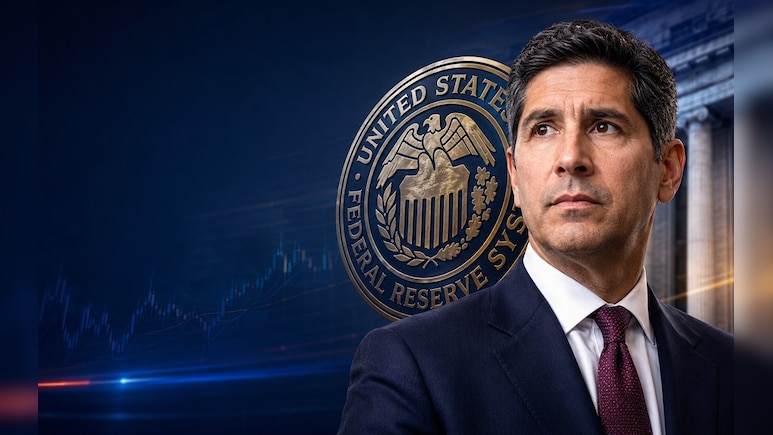
The US Federal Reserve kept its benchmark interest rate unchanged as policymakers weighed persistent inflation pressures against signs of resilience in the economy. Fed Chair Kevin Warsh reiterated that inflation remains a key priority and declined to provide a clear signal on the committee's next move, leaving the outlook for the December meeting open.
He also announced plans to change the FOMC's meeting schedule from 2027, creating dedicated sessions for broader monetary policy discussions without rate votes or policy statements.

-
 NDTV Profit Ignite 2026: Experts See Opportunity In Equities, Stay Bullish For Long-Term
-
 Buy Right, Sit Tight Does Not Work for Individual Stocks, Says Dinshaw Irani
-
 'Worst Is Behind': Quant MF Sees Market Bottom, Flags 'Extreme Euphoria' In Midcaps
-
 India's Mutual Fund Industry Could Become A $1 Trillion Opportunity, Say Fund Managers
-
 'Foreign Investors Are Baraatis': Raamdeo Agrawal's Take On LTCG Tax
-
 Stay Invested Through Market Cycles: Raamdeo Agrawal at NDTV Profit Ignite
-
 Ramesh Damani Remains Bullish On India For Next 20-30 Years, Sees Bargains Amid Market Weakness
-
 CAS Came After A Long Consultation Process: SEBI Chairman Tuhin Kanta Pandey AT NDTV PROFIT IGNITE
-
 Aim To Cut FPI Onboarding Time From Mth To Five Days: SEBI Chairman Tuhin Kanta Pandey AT NDTV PROFI
-
 "I Am A Material Man In A Material World': Quantum Advisors' Ajit Dayal On NDTV Profit Ignite
Warsh said he also plans to attend a Nov. 16 field hearing of the central bank's productivity and jobs task force in the San Francisco Bay Area to hear from a broad range of people about technology, productivity and their implications for monetary policy.
Also Read | Layoffs Are Rising In Tech, But These Skills Are Helping People Unlock Better Pay
The hearing will explore the potential effects of AI driven productivity gains on the economy in the near, medium and long term, according to Warsh.
Here are five key highlights from the Fed's October policy decision and Warsh's press conference.
1. Fed Holds Rates At 3.75%-4%, Two Officials Favour A Hike
The FOMC voted 10-2 to keep the federal funds target range unchanged at 3.75%-4.00%. The decision reflected the majority's preference to maintain the existing policy stance while assessing incoming economic data and the effects of previous policy changes.
However, the decision was not unanimous. Governor Lisa Cook and Cleveland Fed President Beth Hammack dissented, favouring an immediate 25-basis-point increase in interest rates.
The split highlights differing views within the committee on how to respond to persistent inflation and energy-price pressures. While the majority opted to wait for further evidence, the dissenters argued for tighter policy.
Warsh maintained that inflation remains unacceptably high, even as policymakers assess the broader economic outlook and the extent to which financial conditions are tightening.
2. No Clear Signal On December Rate Decision
Warsh avoided committing to a particular course of action for the December meeting, saying the Fed's decisions would remain dependent on incoming data. The chair said the committee had not reached a firm conclusion on its next move, leaving markets to assess inflation, economic activity, employment conditions and financial developments before the next policy decision.
Warsh also reiterated his opposition to routine forward guidance, the practice through which central banks communicate their expected future policy path. “I don't believe in forward guidance, absent exigent circumstances, absent a crisis,” he told reporters.
He acknowledged that forward guidance had been useful during the 2008 global financial crisis but said he did not favour it under normal economic conditions, particularly when the economy was showing strength. The approach leaves investors with less explicit direction from the Fed and places greater emphasis on economic data and policymakers' assessment of changing conditions.
3. FOMC To Introduce Strategy-Focused Meetings From 2027
One of the key announcements was a change to the Fed's meeting calendar, aimed at creating more time for broader discussions about monetary policy. Under the plan, one meeting in 2027 will be dedicated exclusively to monetary policy strategy rather than setting interest rates. The meeting will not include a vote on the federal funds rate, and no policy statement is expected.
In 2028, the Fed plans to hold two strategy-focused meetings and six regular policy-setting meetings. Warsh said the change would give officials more time to consider longer-term questions and reassess their approach to monetary policy.
“It's equally important we reserve time and space as an intellectually diverse group for strategic deliberations, for thinking anew about big questions, looking out over longer time horizons, focusing, as I say, on the left side of the decimal point,” he said.
He described the meeting schedule as more than an administrative detail, arguing that it influences the nature and quality of the committee's deliberations and, ultimately, its decisions. The change is intended to reduce the emphasis on every meeting as an occasion for an immediate rate decision and allow policymakers to devote more attention to longer-term strategy.
4. Warsh Sees Resilient Growth But Flags Tighter Credit Conditions
Warsh offered a positive assessment of the US economy, pointing to stronger growth, domestic spending, productivity gains and broader corporate capital expenditure. He said US gross domestic product growth in the first half of the year had been revised upwards to 2.4% from an earlier estimate of 1.8%, while economic activity appeared to have accelerated further in the third quarter.
At the same time, he acknowledged signs of tightening financial and credit conditions for some businesses and households. Lenders and investors, he said, were becoming more selective in allocating capital. “We have started to see some changes in financial and credit conditions; they have tightened for some businesses and households, much as we would expect,” Warsh said.
He added that the committee was examining incoming information closely to understand the underlying direction of the economy, describing its approach as looking out the window to “interrogate reality”. The Fed must balance these developments against its inflation objective. While tighter credit can moderate demand over time, persistent price pressures could limit the scope for easing policy.
5. Inflation Remains A Priority As Fed Avoids Pre-Committing To Policy Path
Despite progress on some price pressures, Warsh reiterated that the Fed would not declare victory over inflation prematurely. The two dissents in favour of a rate hike reflected concerns that inflation, including pressures linked to energy prices, could remain persistent. The majority, meanwhile, opted to keep rates unchanged and assess how previous policy tightening was affecting demand and credit conditions. Warsh's reluctance to offer forward guidance means the December decision will depend on the economic evidence available by then, rather than an explicit commitment made in advance.
Essential Business Intelligence, Sharp Market Insights, Practical Personal Finance Advice, Daily Fuel, Gold and Silver Prices and Latest Stories — On NDTV Profit.