- The FDA warns of increased risk of rare eye condition NAION with GLP-1 RA drugs
- Label updates required for Ozempic, Wegovy, Mounjaro, and other GLP-1 RA medications
- NAION can cause sudden, painless vision loss and may lead to permanent impairment
The US Food and Drug Administration (FDA) on Monday warned of a potential increased risk of a rare eye condition that can cause sudden and permanent vision loss in patients taking popular weight-loss and diabetes drugs, including Ozempic, Wegovy and Mounjaro.
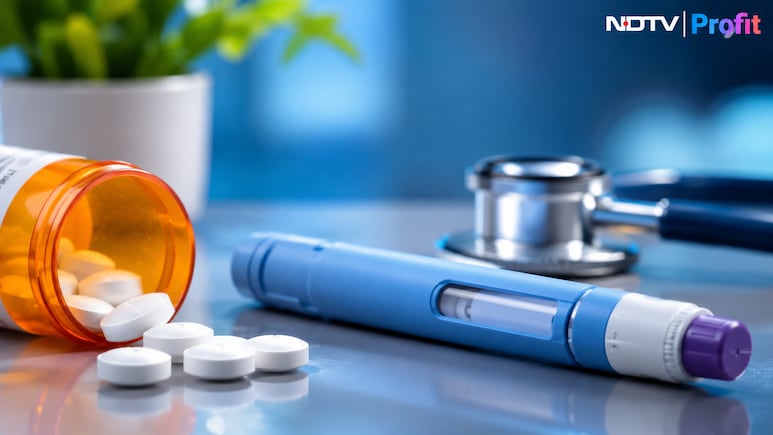
The agency is requiring manufacturers of all glucagon-like peptide-1 receptor agonist (GLP-1 RA) medications to update their drug labels to include information about the potential risk of non-arteritic anterior ischemic optic neuropathy (NAION).
NAION is a condition caused by reduced blood flow to the optic nerve, which carries visual information from the eye to the brain. It can result in sudden, painless loss of vision in one eye and, in some cases, permanent vision impairment.
Also Read | Layoffs Are Rising In Tech, But These Skills Are Helping People Unlock Better Pay
The FDA said patients may notice symptoms upon waking up. These include sudden blurred vision, blind spots, tunnel vision, changes in colour perception and reduced sharpness of central vision.
Patients experiencing these symptoms have been advised to contact their healthcare providers immediately. Those who have already experienced NAION should discuss whether to continue or stop their GLP-1 RA medication.
What Did The FDA's Review Find?
The FDA's assessment included a meta-analysis of 126 randomised, controlled clinical trials involving 134,253 patients. Of these, 78,217 received GLP-1 RA medications, while 56,036 received either a placebo or another glucose-lowering drug.
The analysis identified 15 probable NAION cases, including 10 among patients taking GLP-1 RAs and five among those receiving a placebo. No cases were identified among patients receiving other non-GLP-1 glucose-lowering medications.
The incidence rate stood at 6.4 cases per 100,000 person-years among GLP-1 RA users, compared with 3.8 cases per 100,000 person-years among patients in the comparator group.
The FDA also conducted a study using real-world data from adults with type 2 diabetes who started GLP-1 RAs or other diabetes medications between 2019 and 2024.
The study found no statistically major increase in NAION risk among GLP-1 RA users compared with patients taking SGLT-2 inhibitors. However, the risk was higher when compared with patients taking DPP-4 inhibitors.
The agency also reviewed published observational studies, which generally found an increased risk of NAION among patients with type 2 diabetes taking GLP-1 RAs.
The FDA said it reviewed animal data, clinical trials, post-marketing reports and observational studies. While the animal data did not identify a mechanism linking GLP-1 RA use to NAION, the agency concluded that the available evidence warranted a warning on drug labels.
Which Drugs Will Carry The Warning?
The label changes will apply to all approved GLP-1 RA medications, including semaglutide-based drugs Ozempic, Wegovy and Rybelsus, as well as liraglutide-based Victoza and Saxenda.
The list also includes dulaglutide-based Trulicity and tirzepatide-based Mounjaro and Zepbound. Tirzepatide acts on both GIP and GLP-1 receptors.
These medications are used to treat type 2 diabetes and obesity, with certain drugs also approved to reduce cardiovascular risks, address kidney disease and treat other conditions.
The FDA said patients who develop NAION should be evaluated by an ophthalmologist. Healthcare professionals have also been advised to consider discontinuing GLP-1 RA treatment in patients who develop the condition, unless the benefits of continuing treatment clearly outweigh the risks.
Essential Business Intelligence, Sharp Market Insights, Practical Personal Finance Advice, Daily Fuel, Gold and Silver Prices and Latest Stories — On NDTV Profit.