- Equity markets show calm despite war, energy shocks, and geopolitical risks
- Passive investing and AI optimism help sustain market resilience amid turmoil
- Energy shocks impact profits gradually, affecting airlines, logistics, and consumers
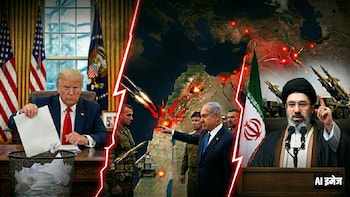
One of the strangest features of the equity market is that it can look both reckless and rational at the same time. On one day, the argument is that investors are being absurdly complacent about a live war, a blocked Strait of Hormuz and an energy shock that should by now be showing up more forcefully in asset prices. On the next, the case is that markets no longer react to geopolitics the way they used to, because the structure of investing itself has changed.
Both views can be true.
The first view is easy to understand. If oil is elevated, shipping is under threat and the world's most important energy chokepoint is disrupted (and controlled by both warring factions), then the normal expectation is simple - risk assets should wobble, inflation expectations should rise and investors should demand a wider margin of safety. Brent moved above $107 a barrel and was headed for its biggest weekly jump since the initial outbreak of the conflict, and if Hormuz stays closed for months, lost oil demand could deepen enough to raise global recession risk.
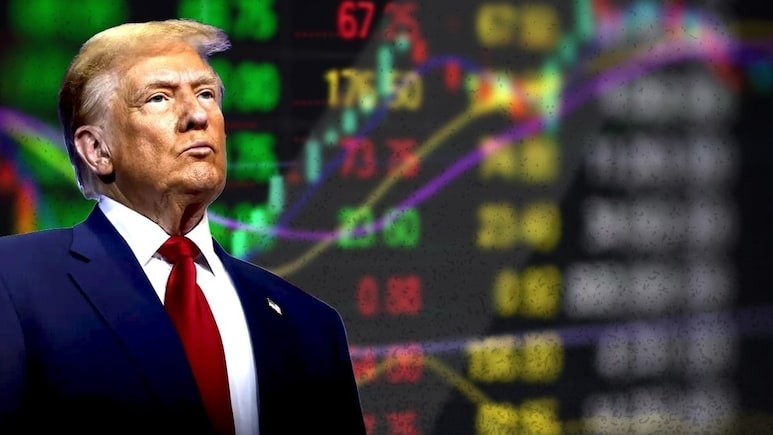
And yet equities have kept climbing. Global stocks, in many economies—such as the US, South Korea and Japan—are pushing toward all-time highs, with investors returning to the AI trade. That creates the uncomfortable impression that markets have simply decided not to care. At least some markets.
But maybe investors are not ignoring the war. Maybe they are looking through it. One reason markets can keep levitating in the face of obvious stress is the rise of passive investing, which mechanically allocates money into markets regardless of the daily news flow. Note that it is possible that investors believe they are in the early phase of an AI-led productivity boom, one strong enough to offset a great deal of macro noise. And hence we have seen markets which have an AI trade hitting highs, while others like Indian markets have pressure points.
ALSO READ: Inside Intel? A Timeline Of Suspiciously Timed Trades Amid Trump's Policy Shifts
That is a powerful explanation, because passive flows do change market behaviour. In a market increasingly dominated by automatic buying, fewer participants are forced to ask the old-fashioned question: what is the right price for risk when geopolitics gets uglier and energy gets scarcer? The market can therefore remain resilient longer than fundamentals alone might justify. And for the record, we have seen that behaviour in India, where the month of March saw record SIP flows into Indian mutual funds.
Still, resilience is not the same as immunity. Markets can absorb bad headlines for a while, especially if investors think the conflict will remain contained, central banks will stay calm and corporate earnings will not crack. But eventually, wars stop being abstractions and start appearing in profit warnings, freight costs, fuel bills, margin pressure and weaker consumption. That is the real dividing line. And we will definitely see this happening as early as in Q1. So far, the market seems willing to believe three things at once. First, the conflict will not spiral into an enduring global supply shock. Second, oil prices, while painful, will not stay high enough for long enough to choke growth. Third, the AI capex cycle is strong enough to keep supporting equity multiples even while the real economy absorbs another geopolitical blow.
Those are not crazy assumptions. But they are assumptions.
The danger is that markets are now trained to fade every shock. Pandemic, banking stress, rate scares, trade friction, war - all of these have taught investors that buying the dip is usually smarter than overthinking the headline. This learned reflex has worked so well that it may now be obscuring the difference between a temporary disruption and a slow-burning structural hit, if this is one.
Sure, the Iran war may belong in the second category. Not because markets are guaranteed to collapse, but because the damage from an energy shock is rarely immediate and symmetrical. It moves through the system unevenly. Airlines feel it first. Freight and logistics feel it next. Consumer budgets weaken later. Central banks become less comfortable. Earnings estimates begin to soften. Only then does the equity market admit that maybe the all-clear signal was premature. And past shocks have shown that stability comes much later than what the markets anticipate in the first wave.
In that sense, the real question is not why markets do not care. It is what evidence would force them to care. The answer is probably not another dramatic headline from the Gulf. It is a run of ordinary but revealing data: profit warnings, lower guidance, stickier inflation, weaker demand and signs that higher energy costs are no longer being absorbed but passed through. That is when looking through a war becomes harder.
There is also a philosophical point here. Markets are not moral instruments. They do not price human suffering; they price cash flows, discount rates and positioning. If investors think the war will not do lasting damage to growth or profits, then markets can rise even while the geopolitical backdrop darkens. That can look callous, but it is often just how financial systems behave.
Hence, both sets of investors - the bull and the bear - are at different stages of the same market. One can explain why markets have remained astonishingly calm: passive money, AI optimism and a deeply embedded habit of looking past shocks. The other can explain why that calm may yet prove fragile: energy shocks eventually hit earnings, and when they do, the market's shortened time horizon can turn from a strength into a vulnerability.
ALSO READ: Oil Bears Go All-In: $430-Million Shorts Placed Before Trump's Iran Ceasefire Extension
The most sensible position, then, is to be neither a bull nor a bear. It is to recognise that markets can stay serene longer than seems reasonable, especially in an era of passive flows and concentrated tech leadership. But it is also to remember that wars with energy consequences do not need to produce an instant crash to matter. Sometimes they just need time.
For Indian markets particularly, the angle is small but important. India is more exposed than many equity bulls like to admit because higher oil prices filter into inflation, the current account, consumer spending and policy flexibility. At the same time, if global investors keep treating geopolitical stress as background noise and continue rewarding growth markets tied to capex, manufacturing and technology, India could still attract flows even as crude remains the key macro pressure point.
Essential Business Intelligence, Continuous LIVE TV, Sharp Market Insights, Practical Personal Finance Advice and Latest Stories — On NDTV Profit.