- Oil prices rose Tuesday after sharp declines amid fresh US-Iran military tensions near Hormuz
- Brent crude neared $98 a barrel, WTI traded close to $91, recovering from Monday's 7% drop
- US forces struck missile sites and boats near the Strait of Hormuz, raising conflict concerns
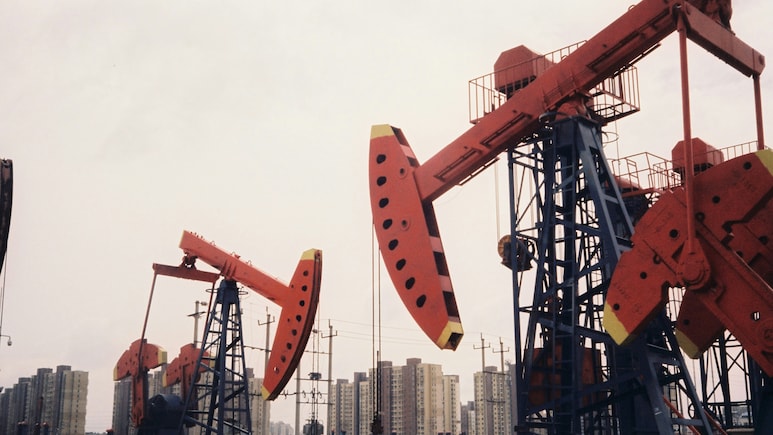
Oil prices edged higher on Tuesday after suffering their steepest drop in weeks during the previous session, as fresh military activity near the Strait of Hormuz complicated hopes of a breakthrough US-Iran agreement. Brent crude rose toward $98 a barrel, while West Texas Intermediate traded near $91, recovering part of Monday's sharp decline of more than 7%.
The rebound came after reports of fresh US military action in Iran raised concerns that negotiations to reopen the Strait of Hormuz may still face major obstacles.
According to a report by The New York Times, citing US Central Command, American forces struck missile-launch sites and boats allegedly attempting to deploy naval mines near the strategic waterway. Iran's semi-official Fars News Agency also reported loud explosions near the coastal cities of Sirik and Jask, both located close to the strait.
Also Read | Layoffs Are Rising In Tech, But These Skills Are Helping People Unlock Better Pay
The developments injected fresh uncertainty into oil markets that had begun pricing in the possibility of easing tensions between Washington and Tehran. Crude prices had slumped on Monday after Donald Trump said negotiations with Iran were “proceeding nicely,” while Pakistan's military chief reportedly told Chinese officials that a deal could be close.
Hormuz Still at the Centre of Global Oil Markets
The Strait of Hormuz remains central to the global energy outlook. Before the conflict, the narrow shipping corridor handled roughly a fifth of global oil and liquefied natural gas flows. Although prices rallied sharply in March and April amid supply disruption fears, crude is still on track for a monthly decline as traders weigh ceasefire hopes against continued geopolitical risks and falling inventories.
The US and Iran are currently discussing a framework that could extend a fragile ceasefire for roughly two months, potentially allowing the reopening of Hormuz and easing maritime restrictions. However, negotiations remain complicated.
Iran has insisted it retain some control over maritime traffic through the strait, while the US, European nations and several Gulf states oppose that demand. Trump also said Tehran's enriched uranium stockpile should either be destroyed within Iran or transferred to the US, underscoring how nuclear issues remain deeply intertwined with broader regional negotiations.
Meanwhile, Israel signaled it may intensify strikes against Hezbollah in Lebanon, adding another layer of uncertainty to an already fragile diplomatic process.
Essential Business Intelligence, Sharp Market Insights, Practical Personal Finance Advice, Daily Fuel, Gold and Silver Prices and Latest Stories — On NDTV Profit.