Oil prices edged lower on Friday as crude flows through the Strait of Hormuz continued to recover, easing concerns over supply disruptions while investors looked at ongoing negotiations between the US and Iran aimed at securing a longer-term peace agreement.
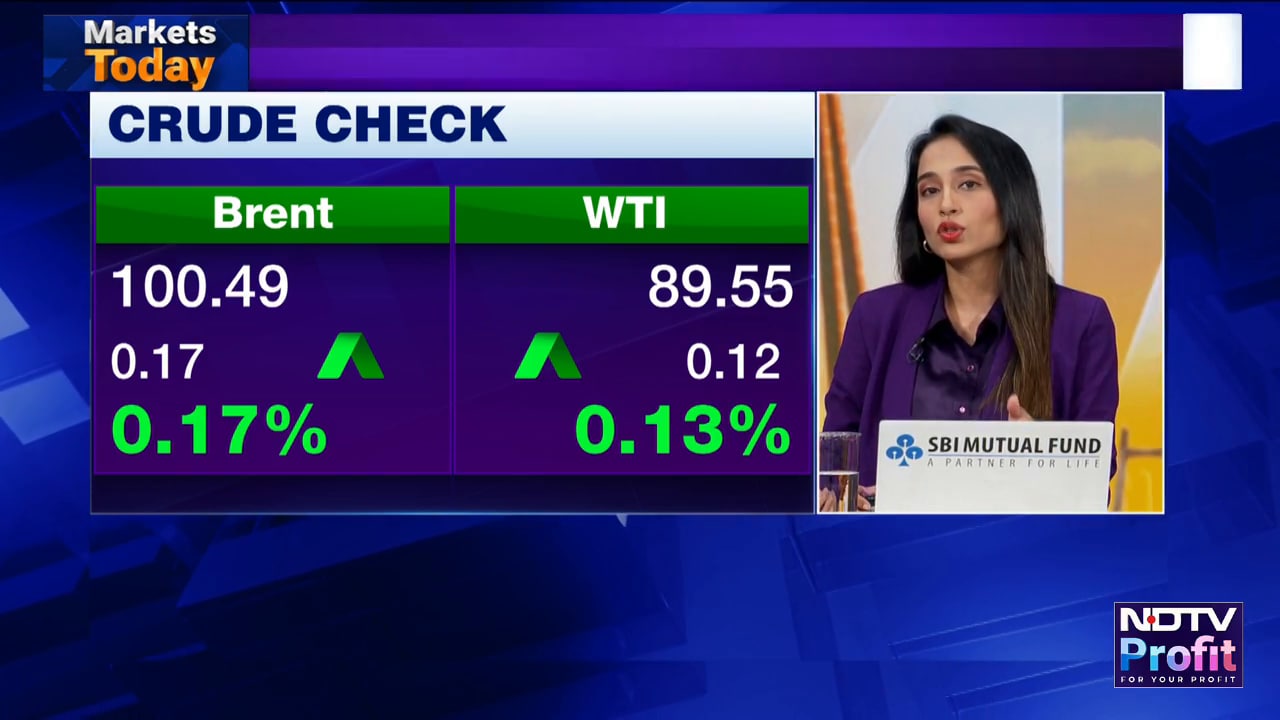
Brent crude traded above $71 a barrel, while West Texas Intermediate (WTI) hovered near $68, with both benchmarks on track to post a fourth consecutive weekly decline. If realised, it would mark Brent's longest weekly losing streak since August 2024.
The recent weakness in prices reflects improving supply conditions across the Middle East. Tanker traffic through the Strait of Hormuz has continued to increase, allowing major exporters to restore shipments. Saudi Arabia's crude exports have now recovered to around 90% of their pre-conflict levels, with more vessels successfully navigating the strategic waterway.
Also Read | Layoffs Are Rising In Tech, But These Skills Are Helping People Unlock Better Pay
ALSO READ: Question Of Cutting Petrol, Diesel Prices Not Legitimate Now, Says Hardeep Puri
The market is also signalling ample near-term supply. Brent's prompt spread has remained in contango — a structure where near-term contracts trade below later-dated ones — for much of the week, typically indicating expectations of oversupply.
Diplomatic efforts remain another key focus for traders. US President Donald Trump said negotiations with Iran were continuing and claimed Tehran had "agreed to just about everything we need." However, reports suggest significant differences remain.
According to the Wall Street Journal, Western negotiators have proposed unfreezing billions of dollars in Iranian funds held overseas in exchange for Tehran dropping its claim over oversight of the Strait of Hormuz and abandoning plans to levy transit fees on ships using the route. Iran, however, has reportedly shown little willingness to compromise on those demands.
The easing of geopolitical tensions follows positive discussions in Qatar, where both sides have been working to extend the current 60-day ceasefire into a more durable agreement. The recovery in shipping through Hormuz has also enabled the United Arab Emirates to restore exports, while floating storage of Iranian crude has continued to build.
ALSO READ: Airlines Skip Rs 10,000-Crore ATF Price Scheme After Fall In Global Oil Prices
Essential Business Intelligence, Sharp Market Insights, Practical Personal Finance Advice, Daily Fuel, Gold and Silver Prices and Latest Stories — On NDTV Profit.