- Indian equities now trade below long-term averages after recent correction, improving valuations
- Midcaps and smallcaps have seen sharper de-rating than largecaps, enhancing risk-reward potential
- Earnings growth near 20% combined with lower valuations makes Indian equities more attractive
Indian equities are looking more reasonably valued after the recent market correction, with largecaps, midcaps and smallcaps all trading below their long-term valuation averages.
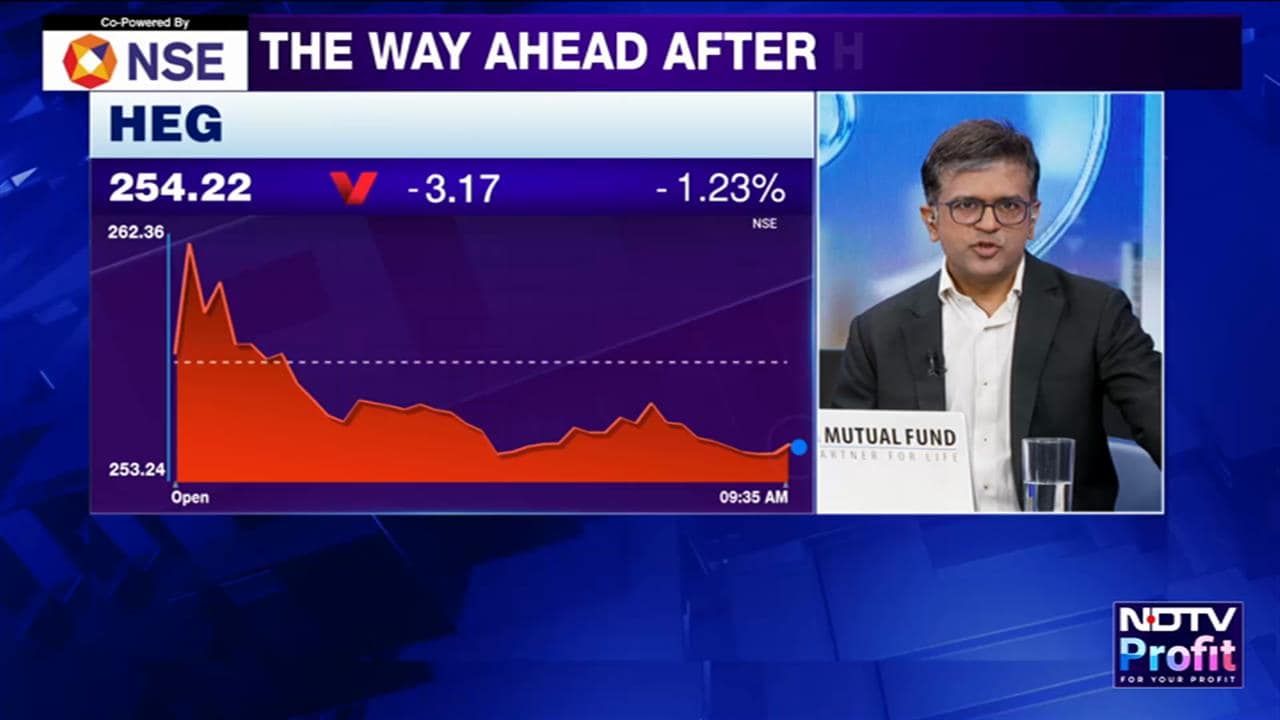
The de-rating has been particularly sharp in the midcap and smallcap segments, potentially improving the risk-reward equation for investors looking to deploy fresh capital, Riddhiman Jain, Managing Director and Head of Investment Strategy and Solutions at Waterfield Advisors, said in an exclusive interview with NDTV Profit.
"Valuations look reasonable rather than stretched, and the more important point is that they have come down while earnings have kept growing," Jain said.
Also Read | Layoffs Are Rising In Tech, But These Skills Are Helping People Unlock Better Pay
He believes the combination of continued profit growth and lower valuations has made Indian equities more attractive than they appeared before the correction.
Midcaps And Smallcaps See Sharper De-rating
Jain said valuations across all three market-cap segments have fallen below their long-term averages, with midcaps and smallcaps witnessing the sharpest de-rating.
"India is also no longer the expensive outlier it was," he said, pointing to the valuation gap between India and other global markets.
The US continues to trade at a clearly higher valuation, while other emerging markets are cheaper but do not offer comparable earnings growth, according to Jain.
"With profits growing at around 20%, investors are paying a fair price for the growth being delivered," he said.
He added that the combination of below-average valuations and strong earnings growth provides Indian equities with a margin of safety. Overall, he does not believe the market is pricing in excessive optimism.
Is It Time To Buy Midcaps And Smallcaps?
Jain does not recommend favouring one market-cap segment over another. Largecaps offer greater earnings visibility and tend to attract foreign capital first when overseas investors return. Midcaps and smallcaps, meanwhile, have corrected meaningfully, including during October's leverage-driven sell-off, while record domestic SIP flows provide an anchor.
"So fresh buying is justified across the board, but in stages and with selection," he said.
For investors deploying fresh capital, Waterfield recommends staggering investments over roughly six weeks or more and spreading allocations across largecaps, midcaps and smallcaps rather than attempting to time the market bottom.
Jain said investors should prioritise businesses with good cash flows, low leverage and earnings that can sustain through the cycle.
The message is not to buy indiscriminately after the correction, but to use the valuation reset selectively while remaining diversified across market-cap segments.
Essential Business Intelligence, Sharp Market Insights, Practical Personal Finance Advice, Daily Fuel, Gold and Silver Prices, Watch Business News Live and Latest Stories — On NDTV Profit.