- SEBI has directed intermediaries to stop publishing grey market premiums of IPOs
- Grey market premiums are unofficial and not verified by any regulatory authority
- These premiums are based on off-market transactions before IPO listings
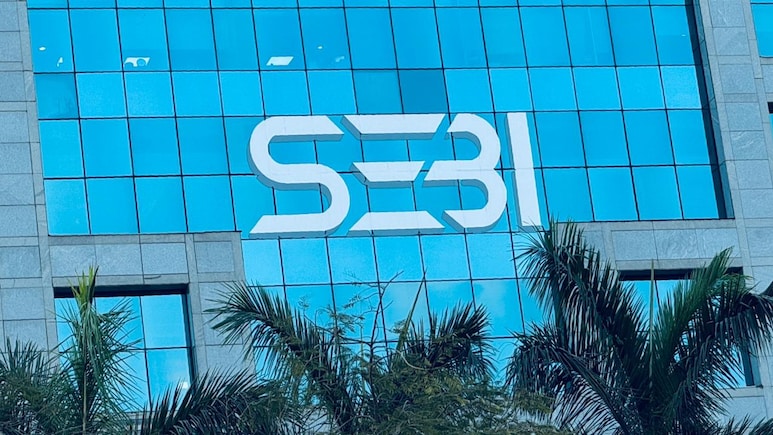
Market regulator Securities and Exchange Board of India has asked registered intermediaries and other market participants to stop publishing or circulating grey market premiums of upcoming initial public offerings , warning investors against relying on unofficial figures to assess potential listing gains.
In an advisory issued, SEBI said GMP figures widely circulated through websites, digital platforms, newspapers and social media are neither verified nor regulated. The regulator said these premiums are purportedly derived from transactions in shares outside the formal stock market framework before their listing.
Such transactions do not fall under regulatory oversight, carry no settlement guarantee and offer investors no protection, SEBI said. They also lack a formal price-discovery mechanism, raising concerns about the influence of these figures on investment decisions.
Also Read | Layoffs Are Rising In Tech, But These Skills Are Helping People Unlock Better Pay
ALSO READ: SEBI's FPI Rule Rollback: Three Major Shifts For Foreign Funds—And Why Indian Markets Care
The regulator has advised registered intermediaries and market participants to refrain from publishing, displaying or broadcasting GMP figures through any channel, including websites, platforms, emails, SMS and social media.
The move could also change how investors approach IPO subscriptions, with greater emphasis on a company's business prospects and valuations rather than anticipated listing-day gains.
Money Control reported that V Shanmugam, Partner at MCCube, who had previously raised concerns about the influence of GMP on IPO investment decisions said that the advisory could bring investors' attention back to company fundamentals.
"Many investors now apply for an Initial Public Offering to collect the grey market premium, not to own the company. This regulatory move brings the investor back to the prospectus and the business," Shanmugam said.
He added that subscription decisions would now have to rely more on valuations and institutional demand, rather than unofficial price indications. Issuers and merchant bankers, too, would need to justify IPO pricing based on business fundamentals.
Shanmugam said that if grey market transactions continue through private channels despite restrictions on publishing GMP figures, the case for introducing a regulated trading window between allotment and listing could become stronger. SEBI Chairman Tuhin Kanta Pandey had indicated the possibility of such a mechanism in August 2025, he noted.
He also cited examples of how GMP-driven expectations can influence investor behaviour. In one instance, a premium of more than 100% pushed expectations for a Rs 70 IPO towards Rs 150. However, investors who bought the stock on listing day were effectively paying a price influenced by grey market sentiment. The stock was trading at around Rs 80 in March 2026, he said.
According to the report, Shanmugam also pointed to Hyundai Motor India's listing. The stock debuted at Rs 1,934, below its issue price of Rs 1,960, but subsequently climbed to an all-time high of around Rs 2,890, nearly 47% above the issue price. This, he said, highlighted the limitations of GMP as a predictor of a company's longer-term performance.
SEBI further cautioned that investors participating in grey market transactions would not be entitled to investor protection under its or stock exchanges' jurisdiction. They would also have no access to exchange grievance redressal mechanisms or the Online Dispute Resolution portal.
The regulator has advised investors to apply for IPOs only through SEBI-registered intermediaries and authorised platforms.
Essential Business Intelligence, Sharp Market Insights, Practical Personal Finance Advice, Daily Fuel, Gold and Silver Prices, Watch Business News Live and Latest Stories — On NDTV Profit.