- India should benchmark capital gains and transaction taxes against Hong Kong, Singapore, and Dubai
- Foreign investors find paying 12.5% LTCG tax after years a hard sell amid weak returns and rupee fall
- High securities transaction tax has reduced interest from arbitrage players and hedge funds
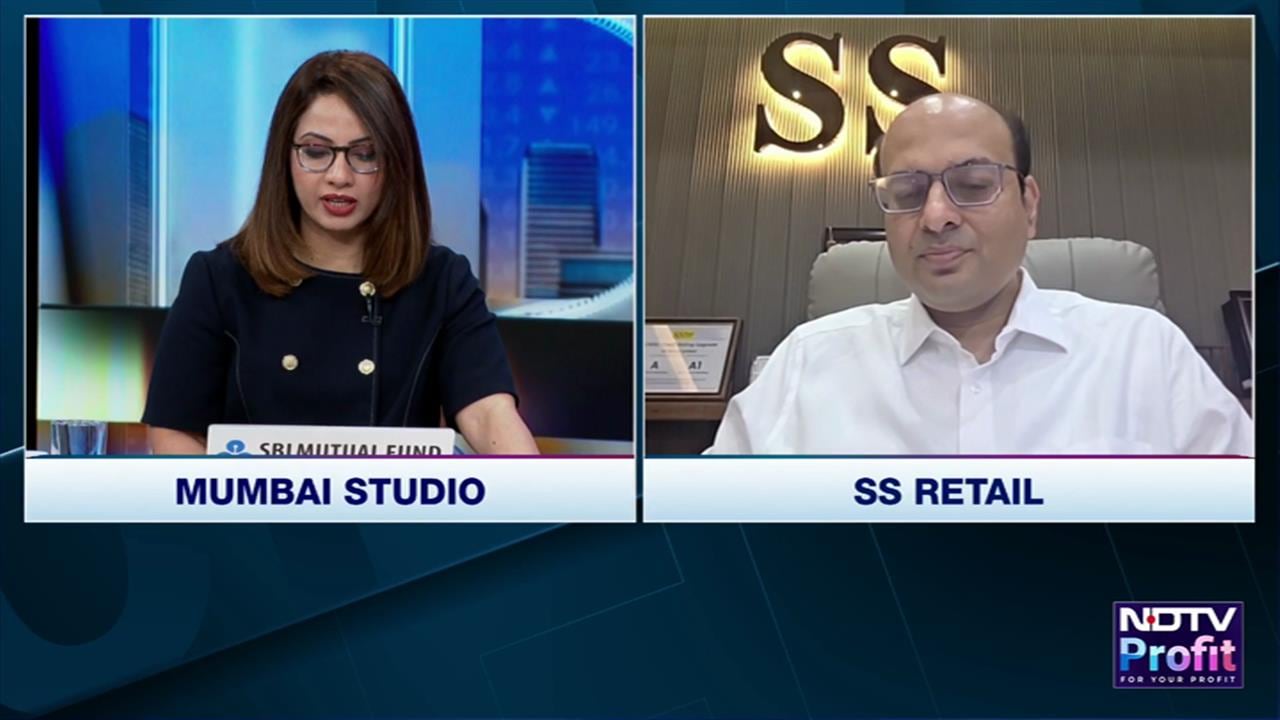
India should benchmark its capital gains and transaction taxes against Hong Kong, Singapore and Dubai, and aim to be the best in class, market veteran Ajay Bagga said on Wednesday.
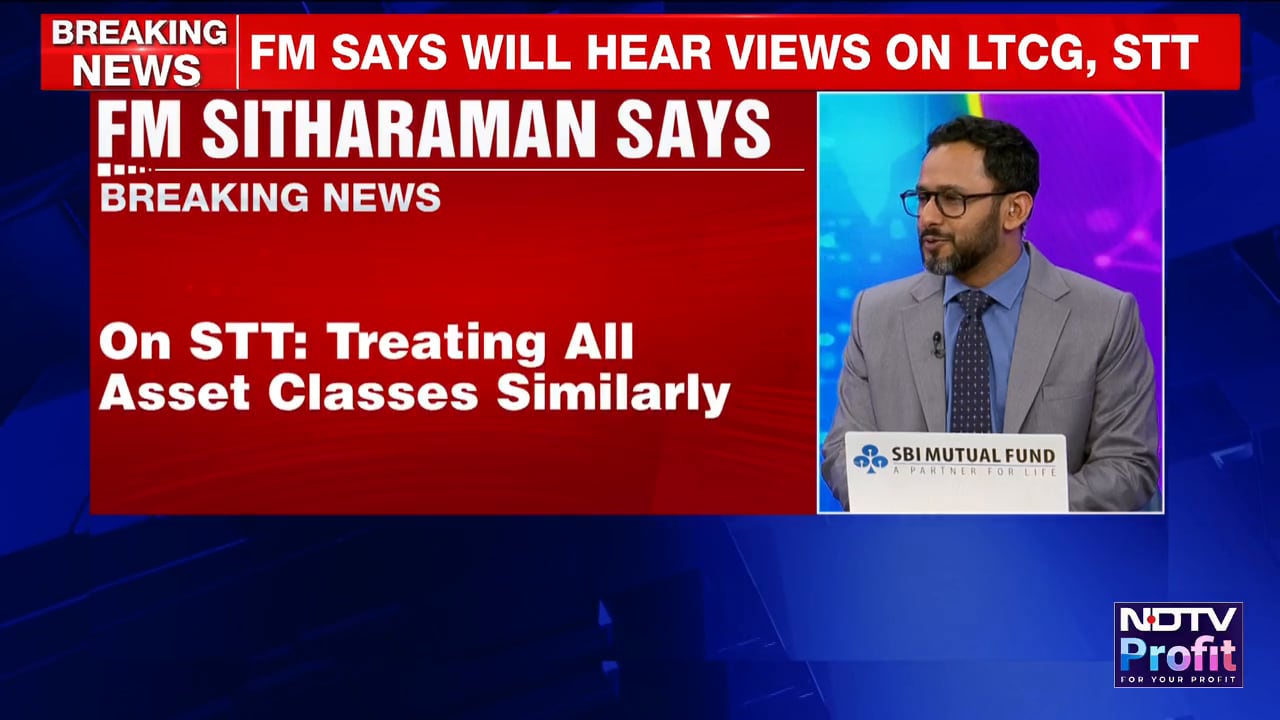
His remarks came a day after Finance Minister Nirmala Sitharaman said the government would keenly hear views on long-term capital gains tax and securities transaction tax. Indian markets bounced and settled higher on Tuesday after her comments at the Bloomberg New Economy Forum in New Delhi.
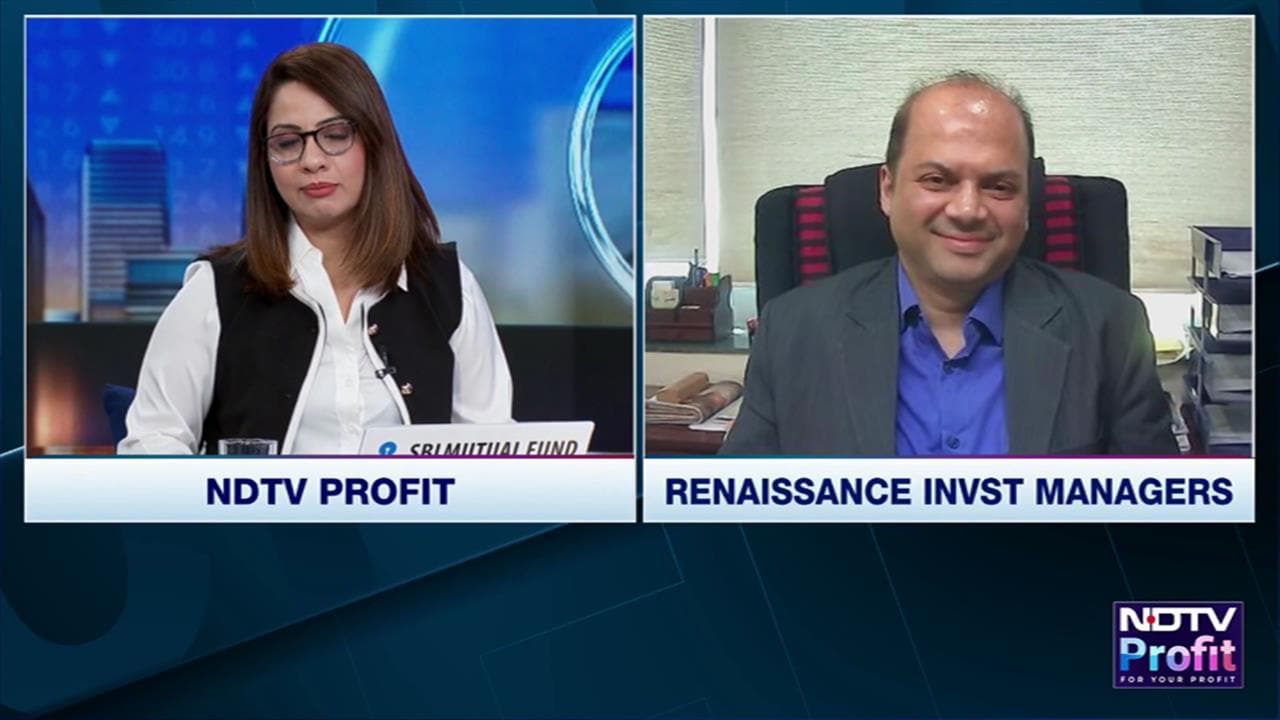
Speaking to NDTV Profit, Bagga said tax is a real concern, especially for foreign investors. “When your index has given 5% returns in 5 years, and the rupee has gone down sharply, and then you add STT and LTCG, they will wonder what the returns will be,” he said.
Also Read | Layoffs Are Rising In Tech, But These Skills Are Helping People Unlock Better Pay
Paying 12.5% tax after holding equities for years is a hard sell, particularly for foreign institutional investors, Bagga said. He added that the market fears LTCG could eventually rise to 20%.
Bagga also rejected treating all asset classes alike. “All assets are not equal. Equities carry a high amount of risk,” he said.
‘We Can Fix The Tax'
Gurmeet Chadha, Managing Partner and CIO at Complete Circle Wealth Solutions LLP, said India should focus on the problems within its control. “We can't fix wars, we can't fix globally rising yields. But we can fix the tax,” he said.
Chadha said policymakers need to look at foreign investors by category. Arbitrage players and hedge funds, which buy Nifty in the cash market and sell in futures, have lost interest because high STT has pushed up their costs sharply, he said.
Sovereign and pension funds are a separate category. Chadha recalled a recent meeting in Kochi with the managing director of a Canadian pension fund. Of the roughly $730 billion the fund has invested globally, $26-27 billion is in India, Chadha said. Yet out of about 100 countries where it operates, India is the only one that taxes it, the fund's MD had told him.
In the age of AI, capital will chase momentum, and India must stay competitive and avoid high STT, Chadha said. He pointed to what he called a disconnect between markets and the real economy. GDP growth is strong, earnings are on track, and industrial output and bank credit data are healthy, yet FII outflows continue. “We have to acknowledge the issue, and I'm happy that it is being acknowledged,” he said. Synchronised efforts are needed to bring foreign investors back, he added.
How India Compares
India taxes long-term gains on listed equity at 12.5% above an annual exemption of Rs 1.25 lakh. STT also applies on both the buy and sell sides of delivery trades.
The three markets Bagga named are far lighter on investors. Hong Kong has no capital gains tax on share investments. It charges stamp duty on stock transfers at 0.2% in all, split as 0.1% each on the buyer and the seller, and that rate has been unchanged since November 2023.
Singapore does not tax capital gains on share disposals. Trades in SGX-listed shares settled electronically through the Central Depository also attract no stamp duty.
The United Arab Emirates (UAE) does not tax individuals' gains from personal investments, including shares. For companies, gains generally fall under the 9% corporate tax, though a participation exemption can make many corporate share disposals tax-free.
Money Moving Offshore
Bagga said Indian money is already moving abroad because of the tax gap. Around 2,000 family offices of Indians are now based in Dubai, along with about 1,500 foundations of Indian families, he said. “The money is getting offshored because you're paying 0%,” he said.
Bagga acknowledged that tax is only one of several drags on the market. “We can't solve AI, we can't solve geopolitics,” he said. A rethink on STT and LTCG would address one part of the problem, and an end to FII outflows would help a lot. “First remove this irritant. Then we can see what else we can do,” he said.
He warned that time is running short. If markets don't show improvement in the next six months, systematic investment plans could start getting stopped and investors could move to other asset classes. “All the gains of the last 5-6 years can be undone,” Bagga said.
ALSO READ: FM Sitharaman Keeps Door Open To LTCG Tax Rethink As Budget 2027 Prep Begins
Essential Business Intelligence, Sharp Market Insights, Practical Personal Finance Advice, Daily Fuel, Gold and Silver Prices and Latest Stories — On NDTV Profit.